


Hand-drawn animation gives brands a way to tell stories that need expressive characters, subtle emotions, and distinctive illustrated visuals. But choosing the right animation style isn’t always straightforward, especially when the message needs to connect with a specific audience.
At SuperPixel, a Singapore-based animation studio, we’ve worked with different 2D animation techniques, including cel animation for McDonald’s Singapore’s Family Mental Wellness Campaign.
So, what makes hand-drawn animation different, how does the production process work, and when should brands consider using it? Let’s take a closer look.
What Is Hand-Drawn Animation?
Hand-drawn animation is a technique in which artists create a sequence of drawings to produce the illusion of movement. Each drawing captures a change in a character’s pose, expression, or action. When played in sequence, the images appear to move.
If you’re new to the medium, our guide to what animation is explains the broader principle behind creating movement from sequential images.
Traditionally, animators drew on paper before transferring artwork onto transparent animation cels. Today, much of this work happens digitally, using drawing tablets and digital animation software.
According to Walt Disney Animation Studios, the technique can be created on paper or digitally, with artists drawing movement, character expressions, and effects such as water or rain.
One important distinction: a hand-drawn appearance doesn’t necessarily mean every frame was drawn individually. Some productions combine illustrated artwork with digital rigs, compositing, or other animation techniques.
The production method depends on the movement, visual style, and requirements of the project.
How Does Hand-Drawn Animation Work?
Hand-drawn animation follows a series of production stages, from planning character movements to refining the final visuals. According to Disney Animation, the process involves key poses, rough animation, inbetweening, and clean-up.
1. Storyboarding and Key Poses
Artists plan each scene through storyboards, then establish key poses that define important actions, expressions, and character movements.
2. Rough Animation
Animators sketch the movement between key poses, focusing on timing, body weight, and character performance before refining the drawings.
Many of these decisions also connect with the 12 principles of animation, including staging, timing, anticipation, and exaggeration.
3. Inbetweening
Additional drawings connect the key poses to create smoother movement. Their number and spacing determine how quickly or slowly an action unfolds.
This stage is closely related to tweening, although hand-drawn inbetweening gives artists direct control over the intermediate drawings rather than relying entirely on software interpolation.
4. Clean-Up and Colouring
Artists refine outlines, correct inconsistencies, and ensure characters remain consistent across scenes. Approved drawings are then coloured according to the visual style.
5. Compositing and Final Delivery
Animated characters are combined with backgrounds, visual effects, and sound. The final video is edited and exported in the required formats.
For a broader look at production planning, read our animation process guide.
Types of Hand-Drawn Animation
Hand-drawn animation isn’t limited to one production method or visual appearance.
Here are four approaches worth understanding.
| Type | How it works | Common characteristics |
| Traditional hand-drawn animation | Artists create drawings on paper, which are photographed or digitised. | Physical artwork and individually developed movement |
| Digital hand-drawn animation | Artists draw animation directly using digital software and tablets. | Drawing-based movement with digital editing flexibility |
| Cel-style animation | Artwork uses clean outlines and colour treatments associated with traditional cel animation. | Distinct character shapes and clearly defined colour areas |
| Experimental hand-drawn animation | Drawings are combined with techniques such as collage, textures, or stop-motion. | Mixed materials and unconventional movement |
These categories can overlap. For instance, an artist might create digital frame-by-frame animation using a traditional cel-inspired visual style. Another production could combine individually drawn expressions with digitally animated backgrounds.
The important distinction is between how an animation is made and what the finished animation looks like.
What Makes Hand-Drawn Animation Different?
The appeal of hand-drawn animation goes beyond its illustrated appearance. Artists can make specific decisions about how characters move, react, and interact.
Four elements play particularly important roles.
1. Character Expressions
A small change in someone’s eyes, mouth, or posture can change how an audience interprets a scene.
Hand-drawn techniques allow animators to reshape individual drawings when a character needs a distinctive expression or reaction. This freedom is particularly useful in character animation, where small performance choices can change how a scene feels.
2. Lines and Textures
Line thickness, rough edges, brush marks, and illustrated textures can influence the visual personality of an animation.
Clean outlines may suit a graphic cartoon style, while textured drawings can create the appearance of watercolour, pencil, or ink.
3. Timing and Movement
A character doesn’t need to move continuously to feel alive.
Holding a pose, delaying a reaction, or exaggerating an action can make a performance more readable. These are also ideas explored through the principles of animation, where timing and posing help establish rhythm, weight, and emotion.
4. Visual Consistency
Expressive drawing still requires discipline.
Characters need to remain recognisable across changing poses and camera angles. This is why character sheets, approved designs, and clean-up processes matter throughout production.
A character designer needs to think beyond one polished illustration and consider how proportions, expressions, and silhouettes will hold across different scenes.
The strongest results come from coordinating these elements around the action taking place on screen.
Examples of Hand-Drawn Animation in Modern Production
Hand-drawn animation remains visible across films, music videos, and brand campaigns. These examples show how differently the technique can be applied.
1. Disney’s Moana 2: Combining Hand-Drawn and CG Animation
Disney’s Moana 2 offers an interesting example of different animation techniques working together.
While Maui is animated using 3D animation techniques, his tattoo companion, Mini Maui, uses hand-drawn animation.
According to Disney Animation, the hand-drawn artwork is cleaned up, digitally coloured, and integrated onto Maui’s body.
Because Mini Maui communicates without speaking, his expressions and movements carry much of the performance.
The example demonstrates that hand-drawn animation can be integrated into a predominantly CG production.
2. Catherine Lepage: Hand-Drawn Characters Meet Stop-Motion
Illustrator Catherine Lepage takes a different approach in Dancing on Osees.
As reported by Colossal, the Montréal-based artist created animated dancers using hand-drawn imagery and stop-motion paper collages.
The characters move with the rhythm of the music, combining illustration with physical materials.
It’s an example of how artists can expand traditional drawing techniques through experimental production methods.
3. Prada: Hand-Drawn Animation as a Creative Choice
Hand-drawn animation also has a place in contemporary advertising animation.
In November 2026, Vogue Business reported on luxury brands incorporating handcrafted visuals into holiday campaigns.
Prada’s Drawing Prada: Animated by Hand involved a group of artists led by animator John Pomeroy.
The campaign placed particular attention on the creative process and craftsmanship behind the finished visuals.
It’s a useful reminder that animation techniques can contribute to a campaign’s identity, particularly when the making process connects with the brand’s creative direction.
How SuperPixel Used Cel Animation for McDonald’s Family Mental Wellness Campaign
As a Singapore-based animation studio, we’ve worked on projects where the animation style needs to suit the sensitivity of the message.
One example is McDonald’s Singapore’s Family Mental Wellness Campaign, developed in partnership with the Ministry of Social and Family Development (MSF) and Families for Life (FFL).
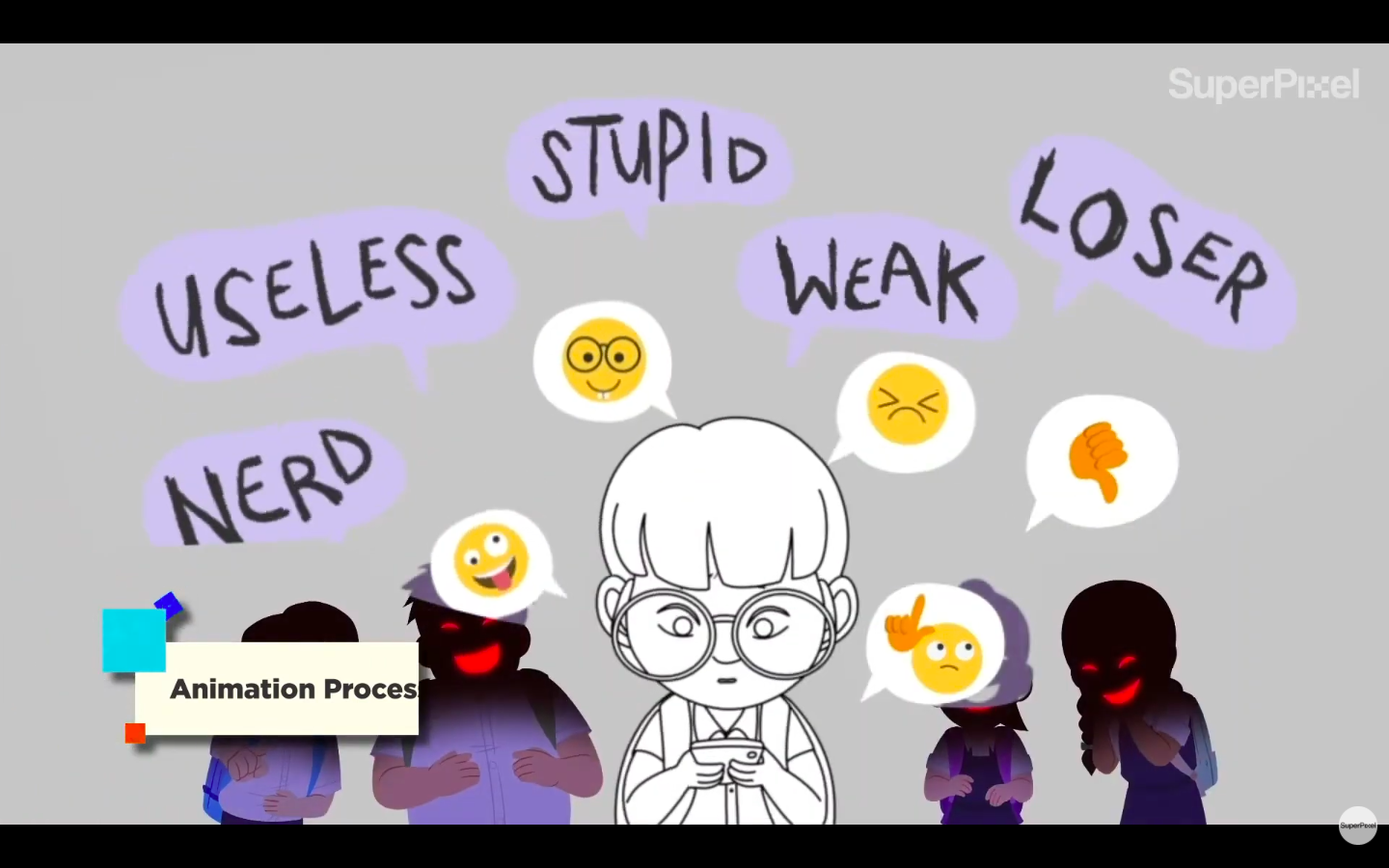
The campaign addresses the importance of parental support during children’s early development. Our team produced a 2D cel-animated short film that explores family relationships and the emotional challenges children may face.
The illustrated characters and everyday situations help make the subject approachable for families. Through facial expressions, body language, and carefully paced interactions, the animation communicates emotions that might be difficult to explain through dialogue alone.
For our team, the project demonstrates how cel animation can support sensitive storytelling, particularly when character performance plays an important role in communicating the message.
You can explore more selected SuperPixel projects or learn more about the relationship between 2D and 3D animation.
Is Hand-Drawn Animation Still Relevant Today?
Absolutely, although its role in production continues to evolve.
Digital animation tools have changed how artwork is created, revised, coloured, and integrated into finished animations. Artists can combine individually drawn sequences with rigs, 3D elements, and compositing techniques.
The growing interest in handcrafted visuals also reflects a broader creative conversation.
As Vogue Business observed in its coverage of 2026 holiday campaigns, brands are increasingly drawing attention to the artists and production processes behind their work.
Still, hand-drawn animation isn’t automatically the right solution for every brief.
Production schedules, the complexity of character movement, revision requirements, and the need to reuse assets can all influence the choice.
What matters is selecting a technique that supports the intended visual style and storytelling needs.
Frequently Asked Questions
Is hand-drawn animation the same as frame-by-frame animation?
They are closely related, but the terms aren’t always interchangeable. Hand-drawn describes how artwork is created, while frame-by-frame describes an animation method in which images are developed individually. Read more in our frame-by-frame animation guide.
What software is used for hand-drawn animation?
Common production tools include Toon Boom Harmony, TVPaint, Adobe Animate, and Procreate Dreams. Software selection depends on the drawing workflow, compositing requirements, and how the animation will be delivered.
Does hand-drawn animation take longer than rigged 2D animation?
It can, particularly when a production requires many unique drawings. Rigged 2D animation may be more efficient when characters need to perform repeated movements across several videos. The comparison depends on the project.
Can hand-drawn animation be used for advertising?
Yes. Brands use illustrated animation for character-led advertisements, campaign films, and other storytelling formats. The technique can be particularly useful when a campaign requires distinctive character movement or an illustrative visual identity.
Final Thoughts
Hand-drawn animation remains an important part of modern animation production, whether artists work on paper, draw digitally, or combine techniques.
Its strength lies in the control it gives animators over character performance, visual treatment, and movement.
For brands and creative teams exploring different animation styles, the first decision should be what the story needs to communicate.
Planning an illustrated animation project? Explore SuperPixel’s 2D animation services or contact our team to discuss the visual approach and production requirements.