


A character hears something unexpected. Their smile fades, their eyes shift, and their shoulders tense just before they reply.
The moment may last only a second, but every small change shapes how the audience reads the performance. With frame-by-frame animation, we can draw those changes individually instead of asking a fixed set of rigged character parts to carry the entire scene.
That freedom brings more control over expression, timing, shape, and movement. It also brings more drawings, more production decisions, and more work when major feedback arrives after animation has begun.
So the useful question is not whether frame-by-frame animation looks more artistic or prestigious. It is whether your message genuinely needs the additional control that the technique provides.
What Is Frame-by-Frame Animation?
Adobe defines frame-by-frame animation as a technique in which a different image is placed on each keyframe. When the images are played in sequence, the changes between them create the appearance of movement.
The technique can be produced through either a traditional or digital workflow. Toon Boom Learn describes traditional animation as a process in which drawings are created and cleaned up on paper before being scanned, digitally inked, and coloured.
In a paperless workflow, animators create the drawings directly inside animation software. The tools may be digital, but the movement is still developed drawing by drawing according to the same animation principles.
This gives animators direct control over poses, expressions, silhouettes, timing, and transitions. A character can stretch, distort, transform, or move in ways that would be difficult to achieve through a reusable rig.
When Is Frame-by-Frame Animation Worth It?
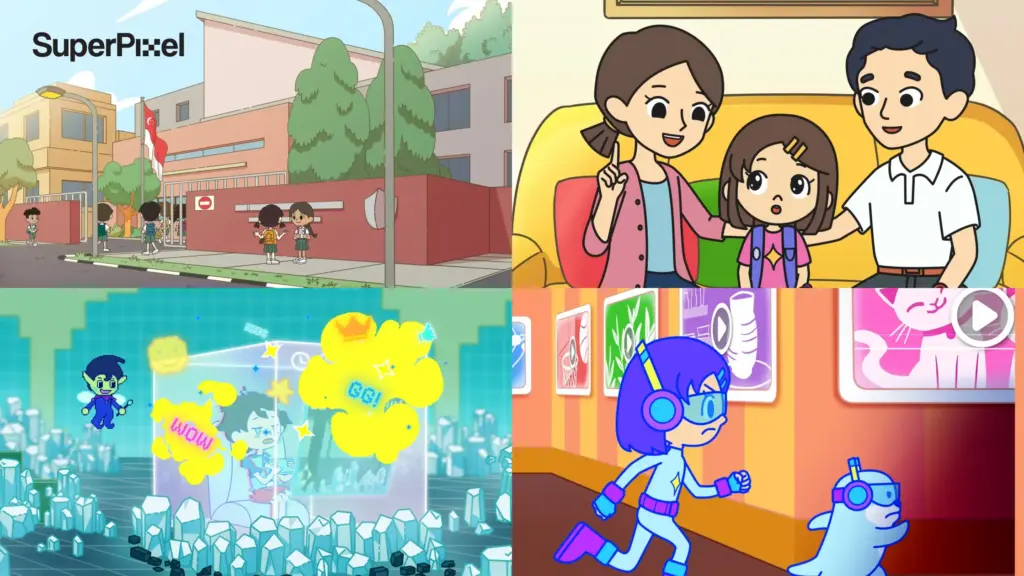
Frame-by-frame animation earns its place in the budget when movement itself carries an important part of the message.
It is particularly useful when a project depends on:
- nuanced facial expressions or emotional acting
- fast action with changing poses and silhouettes
- transformations, liquid motion, smoke, fabric, or animated effects
- expressive transitions between scenes or visual ideas
- an illustrated style that should feel handmade
- a hero moment that needs to look different from the rest of the film
A short campaign film, for example, may rely on one memorable reaction or transformation. Drawing that moment frame by frame can give the animator the freedom to shape every pause, gesture, and visual accent around the intended response.
The technique becomes harder to justify when a project contains long dialogue scenes, recurring character movements, frequent content updates, or a large volume of episodes produced within a fixed schedule. In those situations, a reusable rig can create more production value because the same assets can support multiple scenes and revisions.
A hybrid workflow is often the most practical answer. We might use rigged animation for dialogue and recurring actions, then switch to frame-by-frame animation for facial reactions, effects, transitions, or key story moments.
The decision should follow the role of the movement in the story—not the perceived prestige of a technique.

Does Frame-by-Frame Animation Mean Drawing 24 Images Per Second?
A 24-frames-per-second delivery can contain fewer than 24 new drawings in each second of animation.
In our frame-by-frame work, we can combine animation on ones, twos, and threes depending on the movement.
Animating on ones means creating a new drawing for every frame. On a 24fps timeline, that can mean up to 24 drawings per second.
Animating on twos means holding each drawing for two frames, resulting in approximately 12 unique drawings per second. Animating on threes holds each drawing for three frames, resulting in approximately eight.
A scene can move between these exposure rates. Fast actions may require more drawings, while a held expression or slower movement may need fewer. Different parts of the same shot can also use different exposures.
This matters when you review a quotation. The delivery frame rate tells you how the finished video will play, but it does not tell you how many unique drawings the animation requires.
The more useful question is how much movement needs to be created and how frequently that movement changes.
Exposure is not simply a shortcut for reducing work. It affects the rhythm and weight of the animation. Fewer drawings can create a graphic, stepped, or deliberate quality, while denser drawing can make an action feel faster, smoother, or more fluid.
Frame-by-Frame vs Rigged and Tweened Animation
Frame-by-frame animation creates movement through a sequence of individually drawn changes. The animator can redraw the character’s shape, pose, and expression throughout the scene.
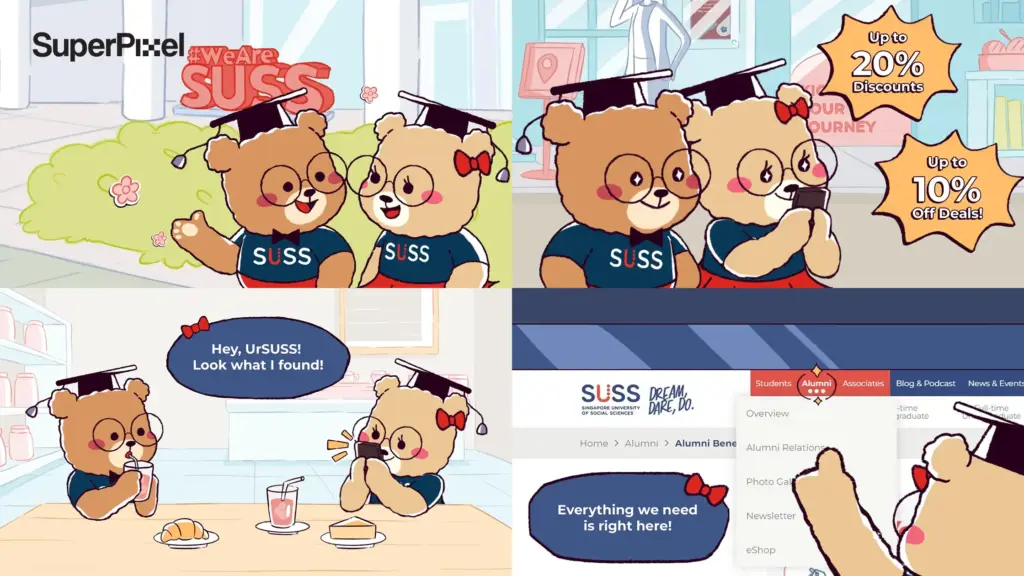
Rigged animation uses connected character parts that work like a digital puppet. The same head, arms, hands, and facial components can be repositioned and reused across multiple shots.
Tweened animation begins with selected key positions, while software generates part of the movement between them. Depending on the style and setup, tweening may be used alongside a character rig or other graphic assets.
Frame-by-frame offers greater freedom to change the drawing itself. Rigged and tweened workflows provide greater efficiency when characters, actions, or compositions need to be reused.
The right distinction is therefore not “high quality versus low quality.” It is custom movement versus reusable movement.
How Frame-by-Frame Animation Production Works
Frame-by-frame production becomes much easier to manage when each decision is approved at the right stage. Waiting until the drawings are cleaned up to question the story, timing, or character performance can create extensive rework.
Here is how we normally structure the process.
1. Concept and Script
We begin by defining the audience, message, intended duration, and platforms. The script establishes what needs to happen before detailed visual production begins.
This is the least expensive stage for changing the story. A new line, shortened scene, or different call to action can still be explored without redrawing animation.
What to approve: the message, narrative direction, project scope, and required deliverables.
2. Storyboard
The storyboard maps out the shot sequence, framing, character actions, and major transitions. It shows how the written idea will work visually before movement is developed.
The drawings may still be rough. Their purpose is to communicate the story clearly rather than represent the final illustration quality.
What to approve: the narrative logic, shot order, visual clarity, and whether each scene supports the message.
3. Style Frames and Character Design
Style frames establish the visual world of the animation, including character proportions, linework, colour palette, textures, backgrounds, and level of detail.
For character-led work, this stage also determines which features must remain consistent when the character is redrawn from different angles. This is where strong animation design pays off later in production.
What to approve: the character designs, illustration style, colour system, and expected level of finish.

4. Animatic
We edit the storyboard together with temporary dialogue, sound, or music. The animatic provides an early view of the timing, pacing, shot duration, and overall structure.
A five-second shot may feel appropriate on the page and too slow once played in sequence. The animatic helps us identify those issues before the team produces hundreds of drawings.
What to approve: the pacing, shot duration, voice-over timing, transitions, and total running time.
5. Key Poses and Rough Animation
Animators establish the main poses and test how the movement travels between them. The drawings remain loose so that timing and performance can be adjusted efficiently.
This is where we evaluate whether an action feels heavy, energetic, hesitant, playful, or emotionally convincing. Large changes become more expensive after the motion has been approved and cleaned up.
What to approve: the performance, movement direction, timing, poses, expressions, and physical weight.
6. Cleanup and Colour
Once the rough animation is approved, our artists refine the linework, keep characters on-model, and apply the agreed colours and visual treatment.
The focus now shifts from changing the action to improving consistency and finish across the sequence.
What to approve: drawing consistency, line quality, colour accuracy, and any remaining visual corrections.
7. Sound and Final Edit
Dialogue, music, sound effects, and final timing are brought together. Sound can reinforce small gestures, transitions, impacts, and pauses that may feel less noticeable in silent playback.
By this point, the visual structure and character movement should already be locked.
What to approve: the final audio balance, synchronisation, edit, and overall viewing experience.
8. Delivery and Adaptation
We prepare the approved animation for its required platforms. This may include different aspect ratios, captioned versions, cutdowns, language versions, or platform-specific exports.
Adaptations work best when they are planned from the beginning. A composition designed only for a horizontal frame may require additional illustration or repositioning when converted into a vertical format.
What to approve: each final format, language version, caption treatment, and technical delivery requirement.
What Affects Frame-by-Frame Animation Cost?
The cost of frame-by-frame animation is shaped by the amount and complexity of the drawing work, not duration alone.
A ten-second action sequence may require more work than a longer scene with restrained movement.
When comparing quotations, it helps to separate the cost drivers into three groups.
1. Production Scope
Scope determines how much original material the animation team needs to create.
This includes:
- the total duration
- the number of shots
- the number of characters
- the number of locations or backgrounds
- how often characters change pose or camera angle
- whether designs and environments already exist
A longer film usually requires more work, but shot count and character activity can be equally important. One continuous scene with limited movement may be more manageable than several short scenes containing new settings and actions.
2. Movement and Visual Complexity
Complexity determines how much attention each shot requires.
Important factors include:
- the number of unique drawings
- the balance between ones, twos, and threes
- the density and speed of the movement
- subtle acting or detailed facial expressions
- lip-sync requirements
- transformations and animated effects
- flowing hair, fabric, smoke, liquid, or particles
- intricate linework, shading, and textures
A restrained visual style can still contain sophisticated animation. Likewise, a simple character design may become labour-intensive when the movement constantly changes shape, perspective, or expression.
The three strongest cost signals are usually motion density, the volume of unique drawings, and the stage at which revisions are requested.
3. Revisions and Delivery Requirements
A storyboard revision usually affects a small number of planning drawings. The same change requested after cleanup may require an entire sequence to be redrawn and recoloured.
Clear approval stages help protect both the budget and the quality of the final work.
Delivery requirements can also expand the production scope. Multiple aspect ratios, social cutdowns, translated voice-overs, alternative lip-sync, and localised on-screen text should be identified before animation begins.
When reviewing a quotation, look for clarity around what will be created, which stages include approval, how many revision rounds are included, and which final versions will be delivered.
Common Frame-by-Frame Animation Approaches
Frame-by-frame animation can take several visual forms. Digital hand-drawn animation creates each changing image directly inside animation software, while cel-style animation uses clean outlines and flat colour areas inspired by traditional painted cels.
Rotoscope animation uses filmed movement as a reference or tracing base, which can then be followed closely or reinterpreted through a different character design. Experimental and mixed-media work may combine drawing with photography, collage, typography, paint, or scanned textures.
These approaches change the appearance and production process, but the underlying decision remains the same: whether individually shaping the movement adds something important to the story. For a broader overview of animation styles, see our dedicated guide.
Where AI Fits Into the Frame-by-Frame Process
AI can support parts of the early creative process, including reference exploration, idea development, and repetitive preparation tasks.
Its practical value depends on whether it gives the team more time and clarity without weakening control over the final animation.
The defining decisions in frame-by-frame work still happen through timing, spacing, posing, weight, expression, and continuity. Those decisions determine whether a performance feels intentional rather than simply in motion.
For our team, the useful role of AI is to reduce friction around the craft, not remove the craft from the process. We assess each tool according to the needs of the project, the consistency of its output, and how well the work can be reviewed and revised.
Technology should serve the story and production process—not become the reason a technique is selected.
Frequently Asked Questions
Can frame-by-frame animation be used for only one scene?
Yes. A project can use frame-by-frame animation for a reaction, transition, transformation, special effect, or hero sequence while the remaining scenes use rigged or tweened assets.
The transition between methods should be identified during the storyboard and style-development stages. Matching the linework, colour, proportions, and movement language helps the scene feel like part of the same film.
Can a rigged character switch to frame-by-frame animation?
Yes. The production method can change while the approved character design remains consistent.
A clear model sheet becomes especially useful in a hybrid workflow. It gives the animator reliable references for proportions, facial features, colours, and key angles when the rigged character needs to be redrawn.
What should we ask for when comparing animation quotations?
Ask each studio to clarify the estimated duration, shot count, number of characters, expected movement complexity, revision stages, and final delivery formats.
You should also check whether the quotation includes design development, storyboarding, voice-over coordination, sound, adaptations, and editable project files. Two quotations with the same duration may cover very different amounts of work.
Can frame-by-frame animation be adapted into multiple languages?
Yes, although the level of adaptation depends on the project.
Subtitle-only versions are usually more straightforward than versions requiring translated voice-over and new lip-sync. When spoken timing changes between languages, the team may need to adjust mouth shapes, pauses, shot duration, or the edit.
Identify all required languages during scripting and animatic development rather than after the final animation has been approved.
What type of feedback is most useful during production?
Feedback should match the purpose of each stage.
Review the story and shot logic during storyboarding, timing during the animatic, performance during rough animation, and visual consistency during cleanup. Consolidating feedback from all decision-makers at each milestone also reduces conflicting notes and avoidable redraws.
Discuss Your Animation Project
Share your script or initial concept, intended duration, delivery platforms, visual references, target languages, and examples of the movement style you need.
SuperPixel, an animation studio in Singapore, can assess which moments benefit from frame-by-frame animation and where a rigged, tweened, or hybrid approach may create better production value. The recommendation should always follow what the story needs, how the content will be used, and what the production needs to deliver.