


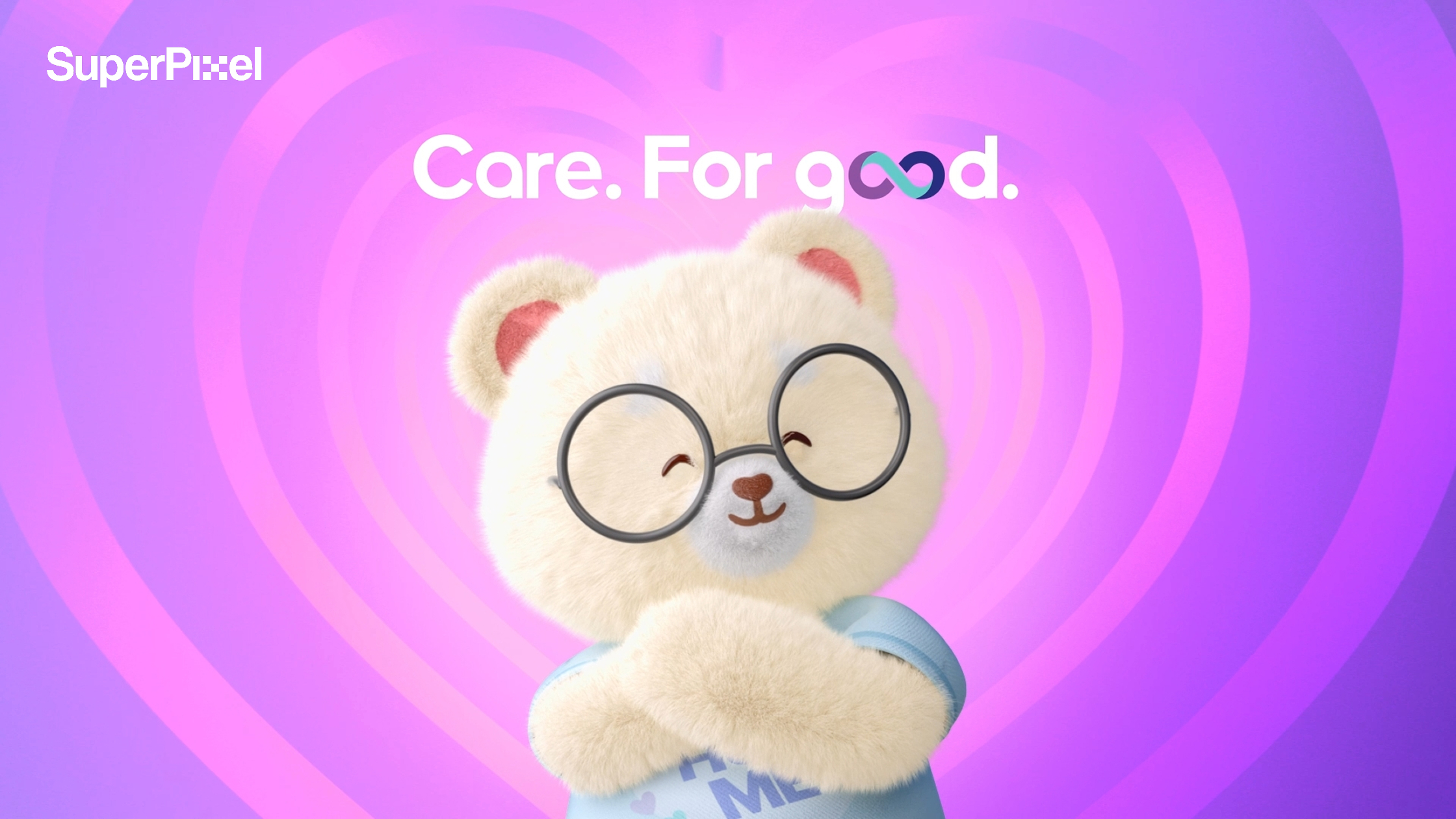
Think about the last brand video you actually watched until the end. Chances are, it gave you something to follow. Maybe it was a familiar situation, a character you liked, or a story that made a complicated idea surprisingly easy to understand.
For brands, visual storytelling brings together images, animation, movement, and sound to communicate a message. But making something look good is only part of the job. The real challenge is deciding what the audience needs to see, understand, and remember.
At SuperPixel, we’ve worked on everything from animated advertising campaigns to educational series and character-led storytelling. Each project has its own creative challenges, but the starting point is usually the same: finding the clearest way to tell the story.

What Is Visual Storytelling in Marketing?
Visual storytelling is the use of visual elements to communicate a story, idea, or message. In marketing, it helps brands explain products, introduce experiences, share real stories, or connect with audiences through content they can watch and understand.
It can take many forms, including photography, live-action video, 2D animation, 3D animation, motion graphics, and interactive experiences.
A product animation might show how something works without a lengthy explanation. A character-led campaign could turn an unfamiliar topic into something relatable. Meanwhile, an animated brand film might help viewers connect with an experience they’ve never had themselves.
The format changes, but the principle stays the same: every visual should contribute to the message.
Why Does Visual Storytelling Matter for Brands?
Visual storytelling helps brands turn complex messages into something audiences can quickly understand and remember. Instead of listing product features, animation can show a character facing a familiar problem or demonstrate how a service works.
Through character design, movement, colour, and timing, brands can guide attention and make information easier to follow. The key is choosing visuals that support the message, whether the goal is to explain a product, build awareness, or connect with an audience.
Visual Storytelling Examples: How Brands Bring Stories to Life
Visual storytelling works differently for every brand. From emotional campaigns to educational animation, here are four examples of how we’ve approached storytelling at SuperPixel.
1. Changi Airport: Turning Real Experiences Into Animated Stories
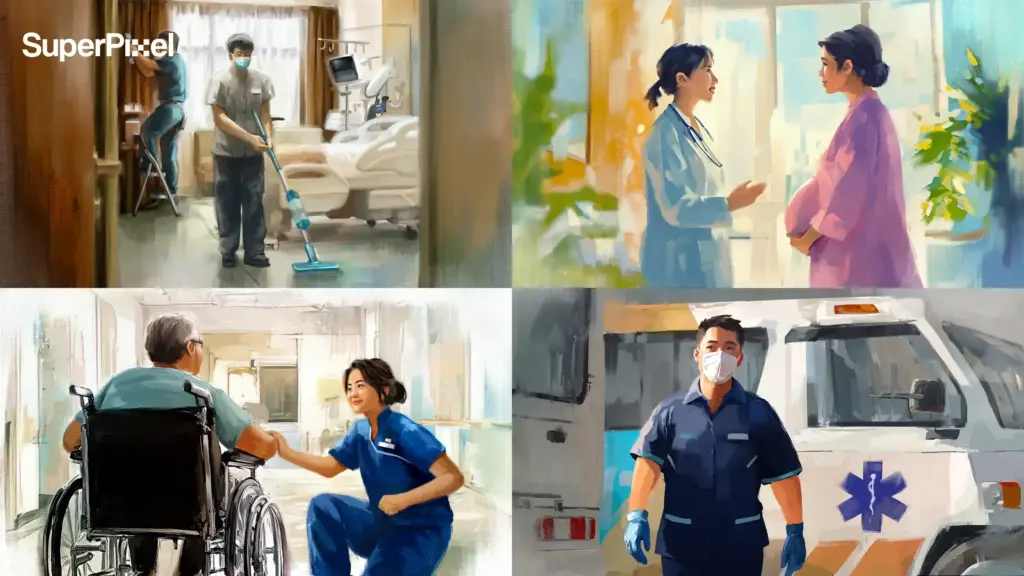
For Changi Airport’s Magic in Transit campaign, we worked with Hogarth and Ogilvy Singapore to turn real passenger experiences into animated stories. Each episode begins with travellers sharing their experiences on camera before transitioning into animation.
Our team handled storyboarding, character design, colour, compositing, and editing. We chose a watercolour-inspired style with soft edges and warm lighting to make the animated sequences feel like personal memories. Character expressions and carefully timed transitions helped carry the emotions from the original interviews into the animation.
The challenge was preserving what made these real stories personal while giving viewers a closer look at the moments behind them.
2. TOUCH Community Services: Making Cyber Safety Easier for Children
How do you explain online dangers to children without overwhelming them?
For TOUCH Community Services’ Ctrl+Z, we developed a four-part 2D animated series teaching children aged 5–9 about screen time, gaming habits, algorithms, and online risks.
Our team worked on the scripts, storyboards, characters, and digital environments. We placed Zara and her otter sidekick, Pixi, in familiar Singaporean settings, then introduced a different digital world for each episode.
We also balanced neon colours with softer tones and adjusted the pacing and sound for younger viewers. Every production choice had to make the lessons engaging without adding unnecessary visual stimulation.
3. NKF Singapore: Using Characters to Explain Kidney Health
For the National Kidney Foundation Singapore’s The KIDs campaign, we used character-led animation to communicate kidney health habits through familiar situations.
Starting with NKF’s original sketches, we refined the characters’ proportions, silhouettes, and colours for 3D animation. Each character needed a distinct personality while remaining recognisable across the series.
We combined expressive 3D characters with illustrated 2D environments, placing them in offices, kitchens, and basketball courts. Small details, including Nutri-Grade labels, connected the health messages to everyday choices.
The result was a visual approach built around making clinical information easier to follow through character design and relatable settings.
4. RedMart: Finding Stories in Everyday Frustrations
Sometimes, the best advertising ideas come from situations everyone recognises.
For RedMart, we created four short 3D animated advertisements featuring grocery characters caught in humorous situations inspired by everyday shopping frustrations.
Each video needed a simple setup, a recognisable problem, and a quick payoff. The characters carried the humour while keeping RedMart’s services connected to the story.
Designed for social media, the animations could also be adapted across different platforms. It’s a good example of how a familiar situation can communicate a brand message without relying on a long product explanation.
How We Approach Visual Storytelling in Production
At SuperPixel, our visual storytelling process starts with the message, then moves into creative development and production. Here’s how we approach it.
1. Understand the Brief
We identify the campaign’s goal, target audience, and key message. For TOUCH’s Ctrl+Z series, understanding how children aged 5–9 learn influenced our decisions on pacing, colour, and character design.
2. Develop the Visual Direction
Our team develops scripts, storyboards, character concepts, and styleframes to establish how the story will look and unfold. As explained in Adobe’s animation guide, storyboards and animatics help teams plan scenes and timing before full production.
3. Bring the Story Into Animation
Depending on the project, production may involve 2D illustration, 3D modelling, rigging, animation, and compositing. For NKF Singapore, we combined 3D characters with illustrated 2D environments to keep the visuals consistent and approachable.
4. Refine and Deliver
We review timing, transitions, sound, and visual clarity before preparing the final output. Different platforms may require adjustments to framing, duration, and format.
Visual Storytelling Ideas for Your Next Marketing Campaign
Not sure where to start? Here are a few approaches worth considering.
Turn a customer experience into an animated story. Real testimonials or everyday interactions can become the starting point for a short brand film.
Give a complicated topic a character. Characters can help explain services, health information, or abstract ideas through familiar situations.
Build a campaign around one recognisable problem. Instead of introducing every product feature, show a situation the audience already understands.
Use motion graphics to explain information. When the message involves data, steps, or processes, movement can help organise what viewers need to follow.
Plan content for more than one platform. A campaign might need a main film, shorter social edits, and still frames. Thinking about these uses early can make the production process more efficient.
The best idea isn’t necessarily the most visually ambitious one. It’s the approach that fits the message, audience, and available production scope.
How Do You Measure Visual Storytelling Performance?
The success of visual storytelling depends on what your campaign aims to achieve. Different goals call for different metrics.
| Campaign Goal | What to Measure |
|---|---|
| Brand Awareness | Reach, video views, and view-through rate |
| Audience Engagement | Watch time, shares, comments, and engagement rate |
| Education & Understanding | Video completion rate, audience feedback, and knowledge retention |
| Lead Generation | Website visits, CTA clicks, enquiries, and qualified leads |
At SuperPixel, we believe these goals should be discussed early in production. Knowing what matters helps shape the story, video length, and delivery format, so the final animation supports the campaign’s objectives.
Frequently Asked Questions
Can visual storytelling work without dialogue or voice-over?
Yes. Character expressions, visual actions, timing, and sound can communicate a story without spoken explanation. However, the message still needs to be understandable, especially when the content may be viewed without sound on social media.
Should a brand use 2D or 3D animation for storytelling?
That depends on the story, visual direction, budget, and production requirements. 2D can be useful for illustration-led narratives, while 3D offers flexibility for character performance, environments, and camera movement. Some projects benefit from combining both.
Can one animated story be adapted for different platforms?
Often, yes. However, different screen sizes and viewing habits may require changes to composition, pacing, text, or video length. It’s best to identify the required formats during the planning stage.
What should be approved before animation production begins?
Ideally, the team should align on the message, script, storyboard, visual direction, and main deliverables. Changes are still possible later, but major revisions become more involved once detailed animation is underway.
Tell a Story Your Audience Can Follow
Visual storytelling works when the creative decisions support what the audience needs to understand or feel.
We’ve seen that across very different projects, from Changi’s real passenger stories to TOUCH’s cyber safety series and NKF’s character-led health campaign. Each required a different approach because each had a different communication job.
Planning something similar?
At SuperPixel, we work with brands and creative teams on animation, 3D production, and marketing videos.
Explore our work or get in touch to discuss your next project.