



A complex product usually comes with a complex brief. Your product team wants technical accuracy, your marketing team wants a compelling story, and your sales team wants every important benefit included.
Before long, a two-minute video is expected to explain the entire business.
This is where choosing the right animated video production company becomes important. The challenge is not simply finding a studio that produces attractive animation. It is finding a team that can determine what deserves the audience’s attention and build a visual story around it.
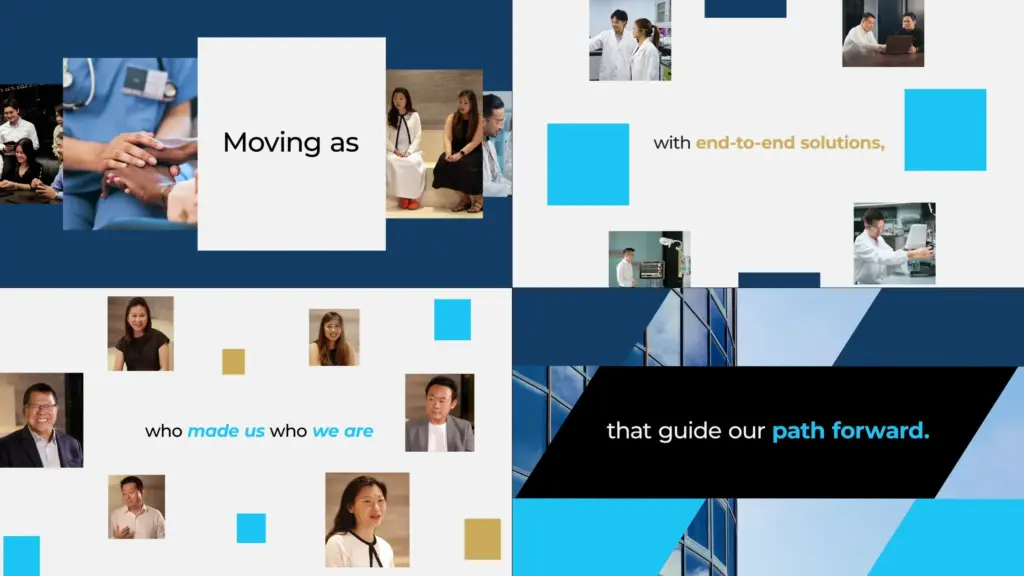
Strong video storytelling becomes especially important when a product has several features, audiences, or technical layers competing for attention. The job is not to show everything at once, but to decide what the viewer needs first.
At SuperPixel, we’ve worked on animated explainers for technical products that need more than an attractive presentation. Our approach starts by identifying the information viewers need first, then deciding how animation can communicate it.
If you’re comparing animation studios for a complex product, here’s what deserves your attention before production begins.

Why Complex Products Need More Than Good Animation
One of the biggest challenges in producing a technical explainer is deciding what to leave out.
Product teams naturally want accuracy. Marketing teams want differentiation, while sales teams want the video to address common customer questions. Every request is reasonable on its own, but combining everything into one script can create a difficult viewing experience.
A viewer encountering your product for the first time needs a clear starting point.
Consider a cloud infrastructure service. Its technical architecture may involve several interconnected systems, but a marketing audience might initially care about three things: speed, reliability and security.
The architecture matters. However, explaining every technical component before establishing its value risks losing the audience.
This is why we consider message prioritisation a production decision rather than a final script-editing exercise. It determines the structure of the video, the number of scenes, the visual treatment and ultimately the production scope.
For more complex briefs, animation scripting is where that hierarchy often begins. A good script decides not only what should be said, but what the audience can realistically absorb within the available runtime.

What an Animated Video Production Company Should Do Before Animation Begins
The earliest production decisions often have the greatest influence on the finished video.
Before comparing illustration styles or animation techniques, examine how a studio approaches your brief.
Establish the Audience and Primary Message
A product may serve several audiences, but that doesn’t mean one video should address them all equally.
A procurement manager evaluating enterprise software may focus on business continuity, cost and security. Someone using that software daily may care more about its interface, responsiveness and ease of use.
Those audiences need different explanations, even when the underlying product remains the same.
A production company should help establish which audience the video serves and what viewers should understand when it finishes. That decision gives the script a clear direction and prevents competing messages from weakening the story.
If the communication objective is still broad, understanding the different types of explainer videos can also help clarify whether the project needs a product explainer, demonstration, process-led story, or another format.
Identify Where Your Audience Gets Confused
Brand guidelines, product presentations and technical documentation are useful starting materials. However, they don’t always reveal which parts of your product are difficult to understand.
We recommend sharing questions from sales conversations, recurring customer objections and explanations your team frequently has to repeat.
These reveal where visual communication could make a practical difference.
For example, if customers understand your product’s individual features but struggle to see how they work together, the animation should demonstrate that relationship rather than explain each feature separately.
A useful brief identifies the communication problem before prescribing the visual solution.
When Animation Is More Useful Than Live Action or Screen Recording
Not every product requires a fully animated video.
If your audience primarily needs to see how an existing interface works, a screen recording or live demonstration may be sufficient. It can show actual functionality without recreating the entire experience through animation.
The broader choice between animation and live action should come back to what needs to be shown. Physical people, locations and testimonials may benefit from filming, while invisible systems and abstract processes often benefit from animation.
If the main communication job is showing customers exactly how the product behaves, a product demo video may also be more useful than a fully conceptual explainer.
Animation becomes more useful when the explanation involves processes, relationships or systems that cannot be filmed directly.
Consider cybersecurity, cloud infrastructure or a service operating across several locations. You may need to demonstrate how information moves, how different components interact or how a technical capability affects the end user.
With 2D motion graphics, we can introduce those elements progressively. The audience sees one relationship before the next appears, rather than receiving all the information simultaneously.
For projects where illustration itself carries much of the explanation, dedicated 2D animation services can give the production more flexibility over diagrams, characters, icons and visual metaphors than filmed footage allows.
A hybrid approach is another possibility. Screen recordings can demonstrate the actual product, while animation explains the systems or processes behind it.
The right format depends on what the viewer needs to understand, not which production technique looks more elaborate.
What Good Storyboarding Reveals About an Animation Studio
A polished showreel demonstrates visual capability. An animation storyboard reveals how a studio thinks.
This distinction matters when you’re commissioning animation for a technical product.
A strong storyboard should establish the sequence of information, the relationship between narration and visuals, and the timing needed for each idea to register.
It should also reveal potential communication problems before detailed production begins.
If your team is unfamiliar with this stage, our guide on how to storyboard an animation explains how ideas move from script into planned scenes before full animation begins.
Look Beyond the Visual Style
A style frame can demonstrate colour, illustration quality, typography and the intended visual direction. However, it cannot demonstrate whether a complete explanation works.
Ask how the studio intends to introduce your product, develop the main message and connect individual scenes.
If the proposed treatment contains several interesting visual ideas but no convincing narrative structure, the project may not be ready for full production.
The storyboard is where those decisions should become visible.
Evaluate Pacing and Information Hierarchy
Technical explainers frequently combine icons, labels, diagrams, narration and animated transitions.
The challenge is deciding when each element should appear.
Introducing everything simultaneously creates unnecessary competition for attention. A more considered sequence might introduce a diagram first, reveal the relevant connection and then present the supporting label.
Typography deserves similar attention. On-screen text should reinforce the explanation rather than repeat every word of the narration.
These decisions influence how comfortably viewers can follow the video, especially when the subject is unfamiliar.
Make Technical Accuracy Part of Storyboard Approval
A storyboard also gives your internal team an opportunity to validate the explanation.
Subject-matter experts should review whether the sequence represents the product accurately. Marketing and communications teams can assess whether the message remains accessible to the intended audience.
Separating these responsibilities helps prevent late disagreements.
Correcting an inaccurate diagram during storyboarding is considerably easier than rebuilding a fully animated sequence after final rendering.
How to Compare Animated Video Production Proposals
Two studios may propose similar runtimes and visual styles while offering substantially different production scopes.
The difference often lies in the work that happens before animation and the responsibilities included after it.
When reviewing proposals, examine whether the studio has accounted for script development, creative direction, storyboarding, illustration, animation, sound and final delivery.
These stages should form a clear animation process rather than a collection of disconnected deliverables. Knowing where approvals happen makes it easier to understand what can still change at each stage.
More importantly, establish how those stages will be approved.
A proposal should make clear when your team can request structural changes and when feedback becomes limited to visual refinements.
This helps distinguish an organised production process from one that relies on resolving major creative decisions during animation.
Pay particular attention to the proposed storyboard.
A studio that understands your product should be able to explain what each scene accomplishes and why the information appears in that particular order.
If the proposal concentrates almost entirely on visual references without addressing the communication problem, ask for a clearer creative treatment before proceeding.
What Affects Production Timelines, Costs and Revisions?
A complex animated explainer involves several connected production stages. Delays often happen when an unresolved decision moves from one stage into the next.
For planning purposes, a bespoke technical explainer may require approximately six to ten weeks once the brief is established. Actual schedules depend on the video’s complexity, available source material, approval requirements and production resources.
The important distinction is between structural changes and finishing revisions.
Changing the main message after animation begins may affect the script, narration, storyboard, scene transitions and final timing. Adjusting a colour or refining an illustration usually has a narrower impact.
This is why we recommend resolving the most consequential decisions early.
Production costs also depend on the number of scenes, illustration complexity, animation style, sound requirements and delivery formats. A straightforward 2D explainer and a detailed 3D product animation may require very different resources, even at the same runtime.
If budget comparison is part of the buying process, our guide to how much animation costs breaks down additional factors that can influence production scope beyond video length alone.
Before signing, make sure the proposal identifies the agreed deliverables, revision stages and responsibilities on both sides.
Clear approvals make production more predictable and help prevent avoidable rework.
What Should You Prepare Before Briefing an Animation Studio?
You don’t need a finished script to approach an animated video production company. In fact, involving the studio before the script is final may create more opportunities to improve the explanation.
However, you should arrive with enough information to make the initial conversation productive.
The most useful materials include:
- Your primary audience: Who needs to understand the product, and what do they already know?
- Your communication objective: What should viewers understand or do after watching?
- Existing product materials: Presentations, documentation, brand guidelines, diagrams or available product visuals.
- Recurring customer questions: Common objections or explanations your sales and product teams frequently provide.
- Distribution requirements: Where the finished video will appear, which versions you need and your intended launch schedule.
These materials help a studio evaluate the communication challenge alongside the production requirements.
They also make it easier to determine whether your project needs a complete explainer video, a shorter product demonstration or a combination of formats.
If a demonstration is likely to be part of the solution, our product demo video guide explains some of the decisions involved in showing product functionality without overloading the viewer.
Frequently Asked Questions
Can production begin if our product interface is still changing?
Yes, provided the central message and underlying product workflow are sufficiently stable. If the video depends on exact interface details, ongoing UI changes may create additional revisions.
Who should approve the technical content?
Your internal subject-matter experts should validate technical accuracy, while your marketing or communications team assesses the explanation’s suitability for its audience. Agreeing on these responsibilities before storyboarding reduces conflicting feedback.
Can one animated video serve both sales and marketing?
Yes, when both teams share the same communication objective. If they need different levels of detail, plan shorter edits or audience-specific versions rather than overloading the main video.
If the piece is expected to work primarily as a campaign or lead-generation asset, it may also be worth considering the broader role of marketing video production before defining every deliverable.
Should we request editable animation project files?
That depends on your internal capabilities and future update requirements. Confirm ownership, editable-file handover and any additional licensing or delivery costs before signing the agreement.
Can we update an animated explainer when our product changes?
Often, yes. However, the effort depends on how the original project was structured and whether the changes affect individual scenes or the overall narrative. Discuss future updates during the initial briefing.
Planning an Animated Video for a Complex Product?
Before choosing an animation style, establish what your audience needs to understand and which parts of your product are currently difficult to explain.
Share your product materials, audience requirements and communication objectives with SuperPixel. We can help determine the appropriate storytelling approach, animation format and production scope before the detailed creative work begins.
Explore our explainer video services and selected projects, or contact our team to discuss your brief.