



An explosion shakes a film set, footsteps echo through an empty hallway, and a fictional creature moves across the screen. Each moment may involve SFX, although the term doesn’t always mean the same thing.
SFX stands for special effects or sound effects, depending on the context. In filmmaking and video production, special effects often describe physical techniques such as prosthetics, animatronics, and artificial weather. In games and audio production, SFX usually means sounds that support an action or environment.
In many productions, filmmakers use visual tricks or manipulation to enhance scenes and create a more immersive viewing experience.
Understanding the distinction helps creative teams choose the right tools for a scene. It also helps during production design, when physical sets, props, effects, and digital elements need to work within the same visual direction.

What Does SFX Mean?
Special effects create illusions through techniques used during production. A mechanical creature, a miniature set, or rain produced on location can give actors physical elements to interact with.
These decisions are closely connected to the wider videography process, because lighting, camera position, physical effects, and performance all affect what can be captured successfully on set.
Sound effects work differently. They may be recorded, synthesised, or edited to communicate an action, from a door closing in a film to a notification in a game.
The abbreviation is shared, but the work happens in different parts of the production process.
SFX vs VFX: What’s the Difference?
In contemporary filmmaking, SFX generally refers to practical special effects captured on set, while VFX refers to imagery created or altered digitally.
A rain rig on location is practical SFX; digitally adding a distant storm to the background is VFX.
If you’re new to the distinction, our guide to what VFX is looks more closely at how digital visual effects are created and used.
The terms overlap historically. Before digital compositing, “special effects” also described photographic tricks such as matte shots and optical printing. Modern productions often combine approaches rather than treating them as competing alternatives.
| Term | What it does | Example |
| Practical SFX | Creates physical effects during filming | Prosthetic makeup, animatronics, artificial rain |
| VFX | Creates or modifies imagery digitally | CGI creatures, digital environments, compositing |
| Audio SFX | Adds sound to actions and spaces | Footsteps, impacts, interface sounds |
The practical distinction matters during planning. If an actor must touch a creature, a physical prop may help the performance; if the creature must perform an impossible action, a 3D VFX animation or another digital technique may be needed as well.
The decision is not always practical versus digital. Our guide to animation vs live action explores the same broader question: which production method gives the idea the clearest form?
Main Types of Special Effects
Practical and Mechanical Effects
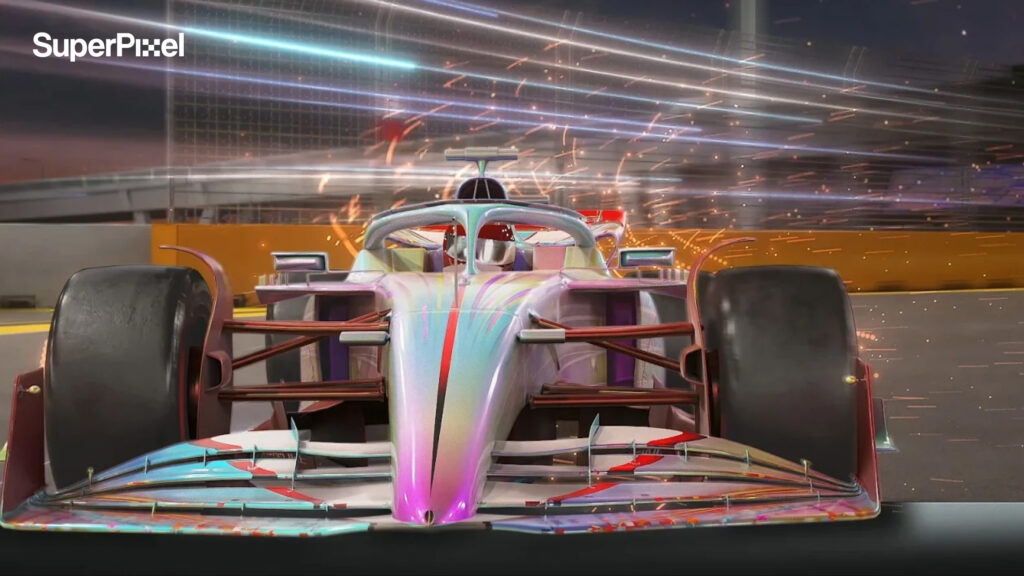
Practical effects happen physically in front of the camera. They include prosthetic makeup that changes an actor’s appearance, animatronics that move creature models, and atmospheric effects that simulate rain, wind, or fog.
Miniatures create environments or objects at a reduced scale, while pyrotechnics produce controlled fire and explosions under specialist supervision. These methods can provide real textures, lighting interactions, and reference for the camera, although they require careful coordination with the crew.
The way an effect reads also depends on framing. Different shot types can make scale, movement, impact, or interaction feel very different even when the physical effect itself stays the same.
The dinosaurs in Jurassic Park (1993) are a useful example of practical and digital effects working together. The production combined Stan Winston’s animatronic creatures with computer-generated dinosaurs created by Industrial Light & Magic, showing how physical and digital techniques can serve different needs within the same film.
Optical Effects
Optical effects manipulate images through photographic techniques. Double exposure, matte photography, and optical printing allowed filmmakers to combine or transform footage long before digital compositing became routine.
An optical printer could rephotograph film elements to produce composites, dissolves, or other transitions. Many of these results are now achieved digitally, but their underlying purpose remains familiar: creating an image that could not be recorded as a straightforward single shot.
Modern digital tools have changed the workflow, but the principle still connects closely with cinematic video production: every technical effect needs to support what the audience is meant to see and feel.
How SFX Works in Film and Games
In Film and Television
Practical SFX gives a scene physical elements that performers and cameras can respond to. Artificial rain can affect costumes and surfaces, while prosthetics can transform a performer without relying entirely on digital replacement.
Sound effects add information beyond the image. A distant crash can suggest something happening off-screen, and footsteps can establish whether a character is approaching or leaving.
These choices work alongside music, dialogue, and visual effects to shape the scene. That relationship is part of video storytelling: information does not have to come only from what appears directly in frame.
In Video Games
In gaming, SFX commonly means sound effects rather than physical special effects. A jump, item pickup, menu selection, or sudden environmental change can trigger an audio cue that confirms what the player has done.
The same feedback principle matters in game animation, where movement, timing, and audiovisual response help players understand what their actions caused.
Some sounds provide immediate feedback; others build a sense of place. A convincing game environment might use wind, machinery, footsteps, and distant activity, with audio changing according to the player’s location or actions.
The visual side of that world may also involve 3D environment design, where space, atmosphere, lighting, and environmental storytelling need to support the same experience.
A Short History of Special Effects
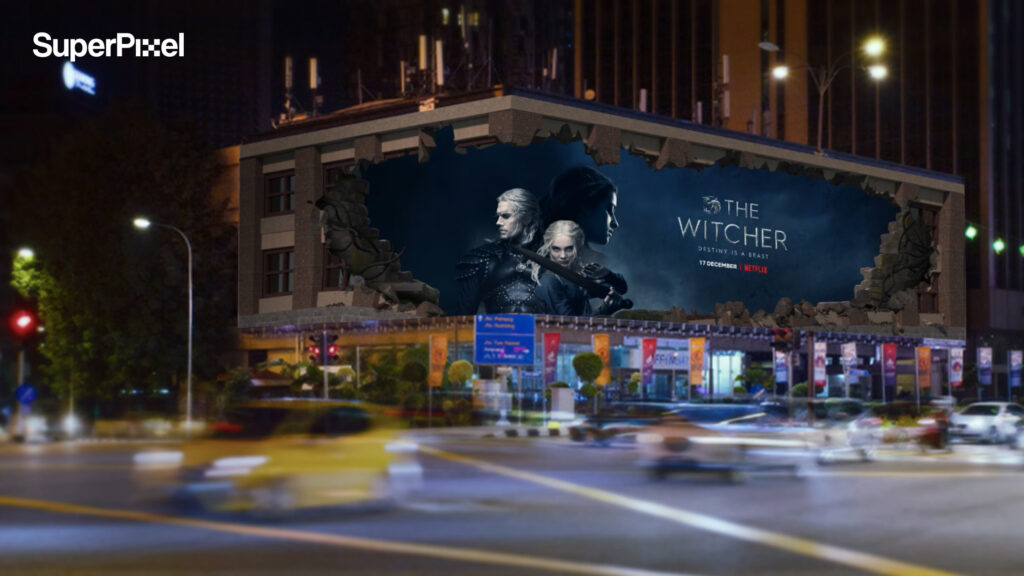
Early filmmakers found ways to create impossible events with simple camera techniques. The substitution splice, or stop trick, involved pausing filming, changing the scene, and recording again to make something appear or disappear.
Later productions developed miniatures, stop-motion animation, matte paintings, and optical compositing.
In King Kong (1933), stop-motion animator Willis H. O’Brien helped bring the giant creature to the screen, demonstrating how animated models could become part of live-action storytelling.
That technique eventually developed into many different approaches to animation, where movement itself can be created frame by frame rather than captured from a live performance.
Digital tools eventually expanded what artists could build and modify, but practical methods remained useful. Many modern effects sequences combine physical elements, digital imagery, and designed sound according to what the shot requires.
When Should a Production Use SFX, VFX or Animation?
The choice begins with the scene rather than the technology.
Practical SFX may be useful when actors need physical interaction or when real-world materials are central to the look; VFX may be better suited to environments, creatures, or actions that cannot be produced safely or convincingly on set.
Animation is another approach. Instead of adding elements to live-action footage, an animated production can design the entire world, including movement, timing, characters, and camera language.
A 2D animation approach may work well when graphic design, illustration, or stylisation drives the idea. A 3D animation approach offers more control over volume, lighting, camera movement, and spatial depth.
The right choice also depends on the intended animation style. A stylised campaign, photoreal product visual, and character-led film may all require very different production methods even when they are technically animated.
For 3D work, the broader 3D animation workflow can include modelling, texturing, rigging, animation, lighting, rendering, and compositing.
Character-led projects add another layer. Character animation depends on readable posing, expression, timing, and performance rather than simply moving a finished model.
If the production uses dimensional characters, those decisions may extend into 3D character animation, where modelling, rigging, performance, lighting, and rendering need to stay consistent across shots.
Digital animation also gives teams more freedom to revise environments, timing, graphic elements, and compositions before final delivery. Explore our broader guide to digital animation for more on how digitally created motion differs from practical production.
That flexibility comes with decisions about style, asset creation, revisions, and continuity across shots.
This is why the animation process matters: concept, storyboard, design, production, and revisions become connected decisions rather than isolated technical steps.
For a brand campaign, those choices affect production planning as much as aesthetics. A concept may need multiple aspect ratios, localised versions, or changes after review, so it’s worth considering how easily each approach supports the final deliverables.
For advertising-led work, commercial animation can be useful when a campaign needs visual control that would be difficult or expensive to achieve entirely on set.
A broader marketing video production workflow may instead combine filmed footage, graphics, VFX, animation, and post-production depending on what the campaign needs.
At SuperPixel, our 3D animation services span different visual styles and production requirements, from character-led storytelling to branded content. Each approach brings its own decisions around movement, design, revisions, and how the finished work will be used.
For projects that combine filming with post-production, our video production services in Singapore cover the wider path from creative development to final delivery.
Frequently Asked Questions
Does SFX mean sound effects or special effects?
Both meanings are correct. In film production, SFX often refers to practical special effects; in games, audio editing, and sound design, it commonly refers to sound effects.
Is CGI the same as SFX?
Not in the usual modern production distinction. CGI means computer-generated imagery and is generally associated with digital VFX or animation, whereas practical SFX is created physically during filming.
When CGI becomes the primary production method rather than an addition to live action, the work may sit within broader animation services instead of practical special effects.
Are SFX and VFX used together?
Yes, and the combination can be useful. A production might film a physical prop or atmospheric effect and then extend the scene digitally, preserving real-world interaction while allowing more visual control.
What is SFX makeup?
SFX makeup uses physical materials, including prosthetics, to change a performer’s appearance. Digital VFX can complement that work, but prosthetic makeup itself is a practical technique.
The Right Effect for the Scene
SFX can refer to physical illusions or carefully designed sounds, while VFX and animation offer other ways to create what audiences see. Understanding each technique makes it easier to discuss a creative brief and decide what should happen on set, in post-production, or entirely in an animated world.
If you’re planning an animation-led campaign or visual experience, explore SuperPixel’s portfolio to see how different production approaches work in finished projects.
You can also contact our team to discuss whether practical production, VFX, animation, or a combination of techniques best fits the idea.