


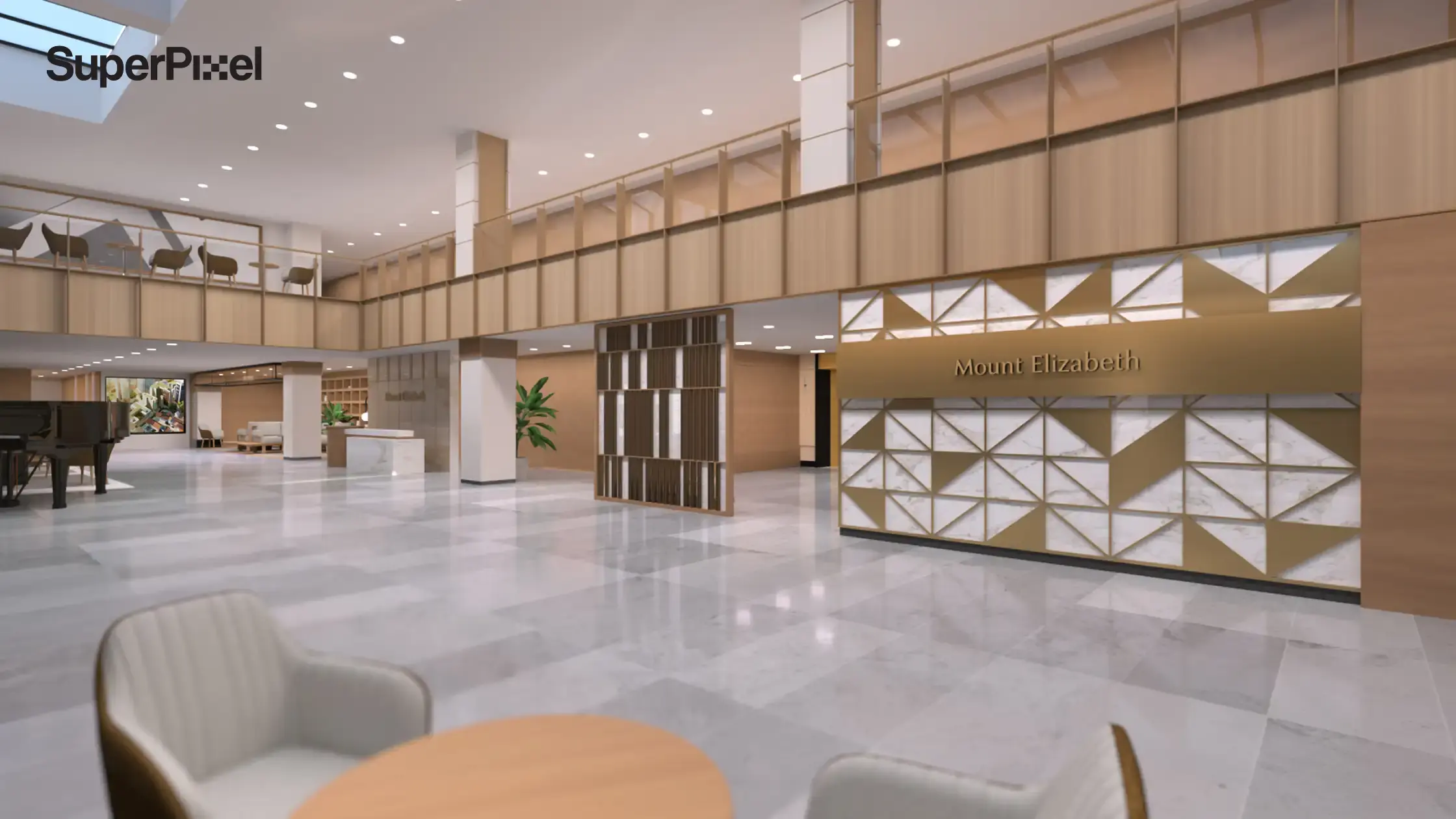
If you are trying to market a space that has not been built yet, you already know the challenge. People are being asked to buy into a vision, but most of the time, static images and floor plans are just not enough to get them there.
That is exactly where 3D interior animation starts to do the heavy lifting. Instead of asking potential clients to imagine the experience on their own, you give them realistic visuals they can actually follow, explore, and connect with.
Animation vs. Static Renders
Both formats have their place in the design process, but they do very different jobs. Static renders are useful when you want to present a specific view with precision, while 3D interior animation helps people understand the full experience of the space more naturally.
| Aspect | Static Renders | 3D Interior Animation |
|---|---|---|
| Viewing angle | Static renders usually show one carefully selected angle. | 3D animation lets viewers see the space from multiple angles and understand how rooms connect. |
| Purpose | Static renders are often used for design presentation and approval, especially when clients need to review specific details. | 3D animation is more often used for storytelling and marketing, helping developers present the bigger picture more clearly. |
| Experience | Static images rely more on the viewer’s imagination. | The immersive experience created by 3D animation makes it easier for viewers to understand and remember the design, as they feel like they are walking through the interior. |
That is why more developers are using animation when the goal is not just to present the design, but to help people feel the vision. When viewers can follow the space more easily, the story becomes clearer — and the project becomes much easier to sell.
Visualization Techniques Behind Realistic Visuals
When a 3D interior animation feels realistic, it usually comes down to more than just great design. There is a full process behind it from early planning and modeling to lighting, rendering, and final polish.
| Stage | What happens | Why it matters |
|---|---|---|
| Pre-production | Storyboarding, concept art, and camera path planning help shape the narrative. | This makes the animation feel coherent, polished, and easier to follow. |
| Modeling and animation | Software like Autodesk 3ds Max, Maya, and Blender is commonly used to build and animate the space. | This is where the room, layouts, furniture, and overall environment take shape. |
| Lighting and rendering | Tools like V-Ray, Corona, and Blender’s Cycles are often used for photorealistic rendering. | Good lighting makes the visuals feel believable and emotionally engaging. |
| Materials and surfaces | PBR workflows use roughness, reflection, and normal maps so surfaces react naturally to light. | This helps materials like wood, marble, glass, and metal feel more realistic. |
| Realism techniques | Global illumination, HDRI, ambient occlusion, and ray tracing add depth and reflection. | These techniques make interiors feel more lifelike and immersive. |
| Real-time visualization | Unreal Engine, Lumion, Twinmotion, and D5 Render are popular for fast, interactive output. | They are useful when teams need speed, flexibility, or interactive previews. |
| Post-production | Adobe Premiere Pro or DaVinci Resolve is used to edit clips, refine color, and add audio. | This is where the final video feels more polished, cinematic, and presentation-ready. |
Helping clients see the design vision more clearly
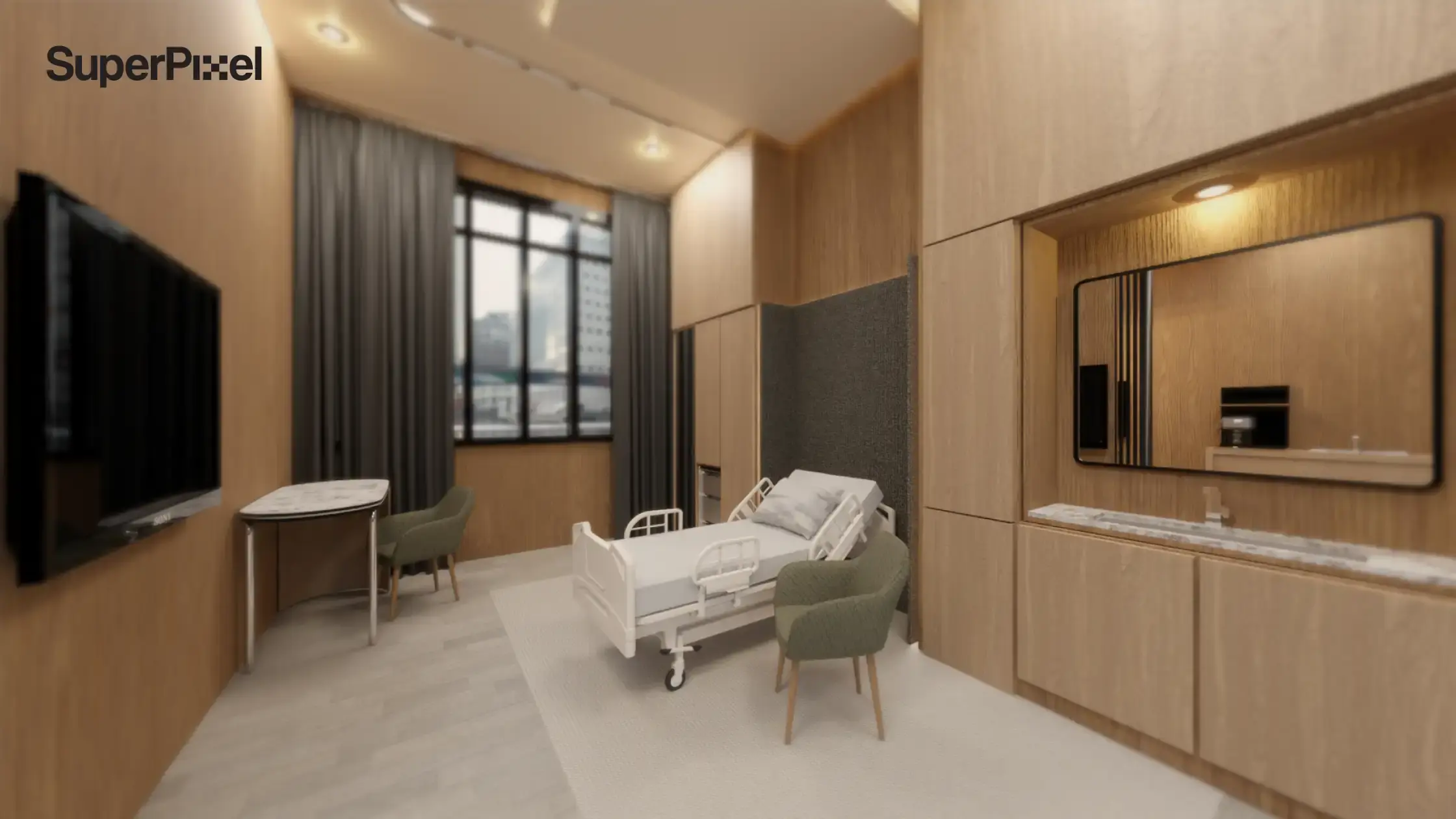
One of the biggest reasons developers use 3D interior animation is simple: clarity. When clients can see layouts, lighting, materials, and camera movements working together, the design vision feels much more real.
This is especially helpful when the project is still under construction. Instead of relying on imagination, viewers get realistic visuals that show how a room will feel, how people move through it, and how different design ideas come together in one clear presentation.
For interior designers, architects, and developers, that kind of communication matters. The clearer the visuals, the easier it is for everyone to stay aligned.
Read more, Full-Service Singapore Video Production Company: Elevate Business Identity
Why it works so well for real estate marketing
Real estate marketing is not really about selling square footage. It is about helping people picture a future they want to step into.
That is why 3D animation can be such a game changer. It helps showcase properties in a way that feels more immersive, more polished, and more persuasive than static images alone.
For residential projects, it helps potential clients imagine daily life in the space. For commercial developments, it helps teams present customer flow, functionality, and the experience of moving through the environment.
And because these videos are flexible, they can work across websites, sales presentations, launch decks, and marketing campaigns. One asset can support multiple touchpoints while keeping the message consistent.
Better visuals usually lead to faster decision making
When people understand a project faster, they usually respond faster too. That is one of the biggest practical advantages of 3D interior animation.
It supports decision making by helping clients evaluate the space earlier in the process. They can react to layouts, materials, lighting, features, and flow before the build moves too far ahead.
That often means fewer misunderstandings, fewer late design changes, and better feedback at the right stage. For developers, that is not just good communication — it can save time and help keep the project moving.
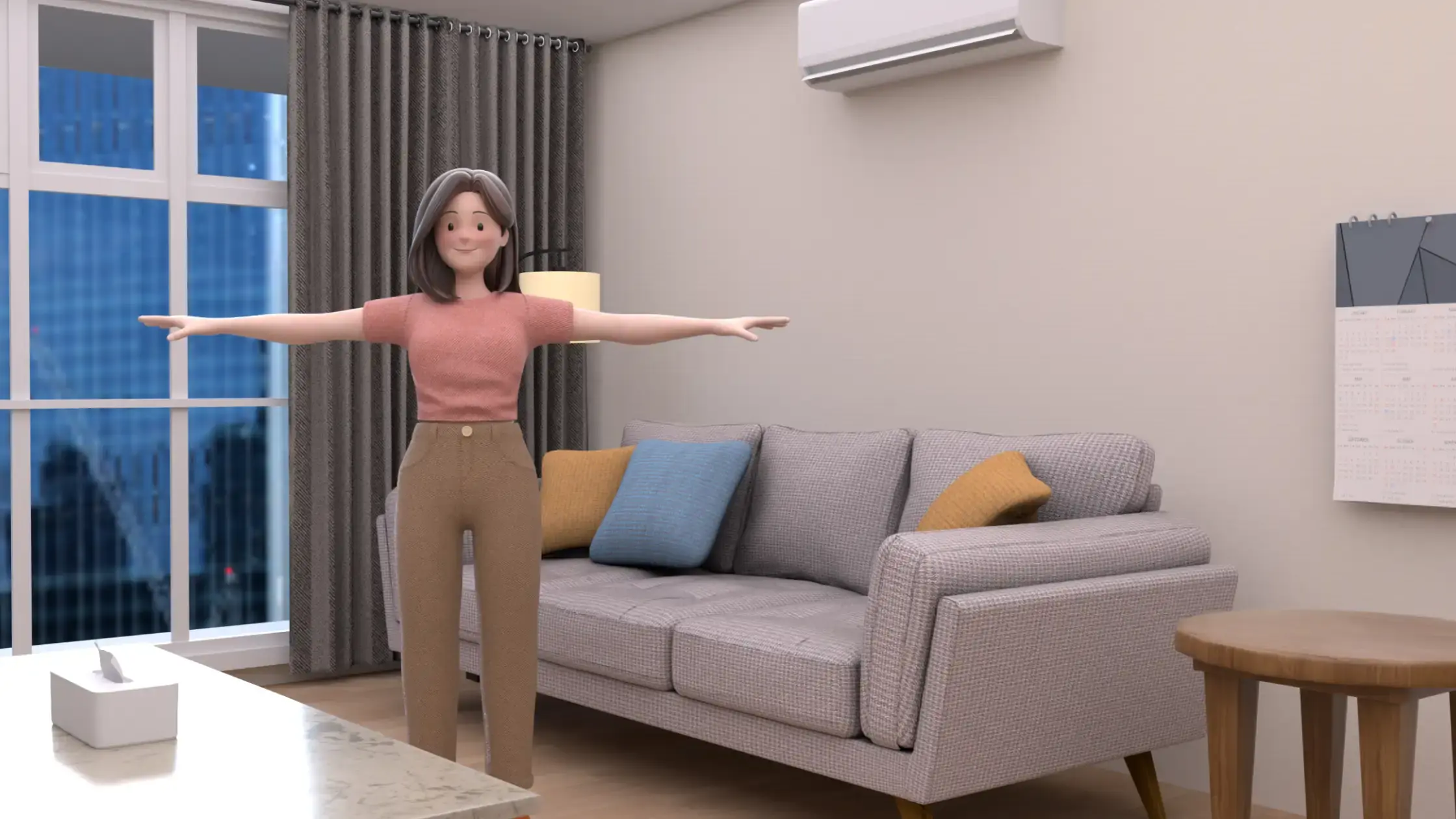
Animation can also help present functionality in a more natural way. In some cases, it can even show how household devices, built-in features, or service areas work in context, which makes the whole design feel more grounded and easier to trust.
Read more, Introduce Your Company with A Strong Company Profile
What makes a walkthrough feel convincing
A good animation is not just about making something look nice. It is about creating a visual experience that helps viewers feel the space before it exists.
That comes down to a few things working together: realistic lighting, believable materials, smooth transitions, natural camera movements, and a clear sense of flow. When those elements are handled well, the final video feels less like a technical demo and more like a story people can step into.
That is where the craft really matters. Good visuals are one thing, but knowing how to present them in a way that supports marketing, sales, and stakeholder communication is what makes the work more effective.
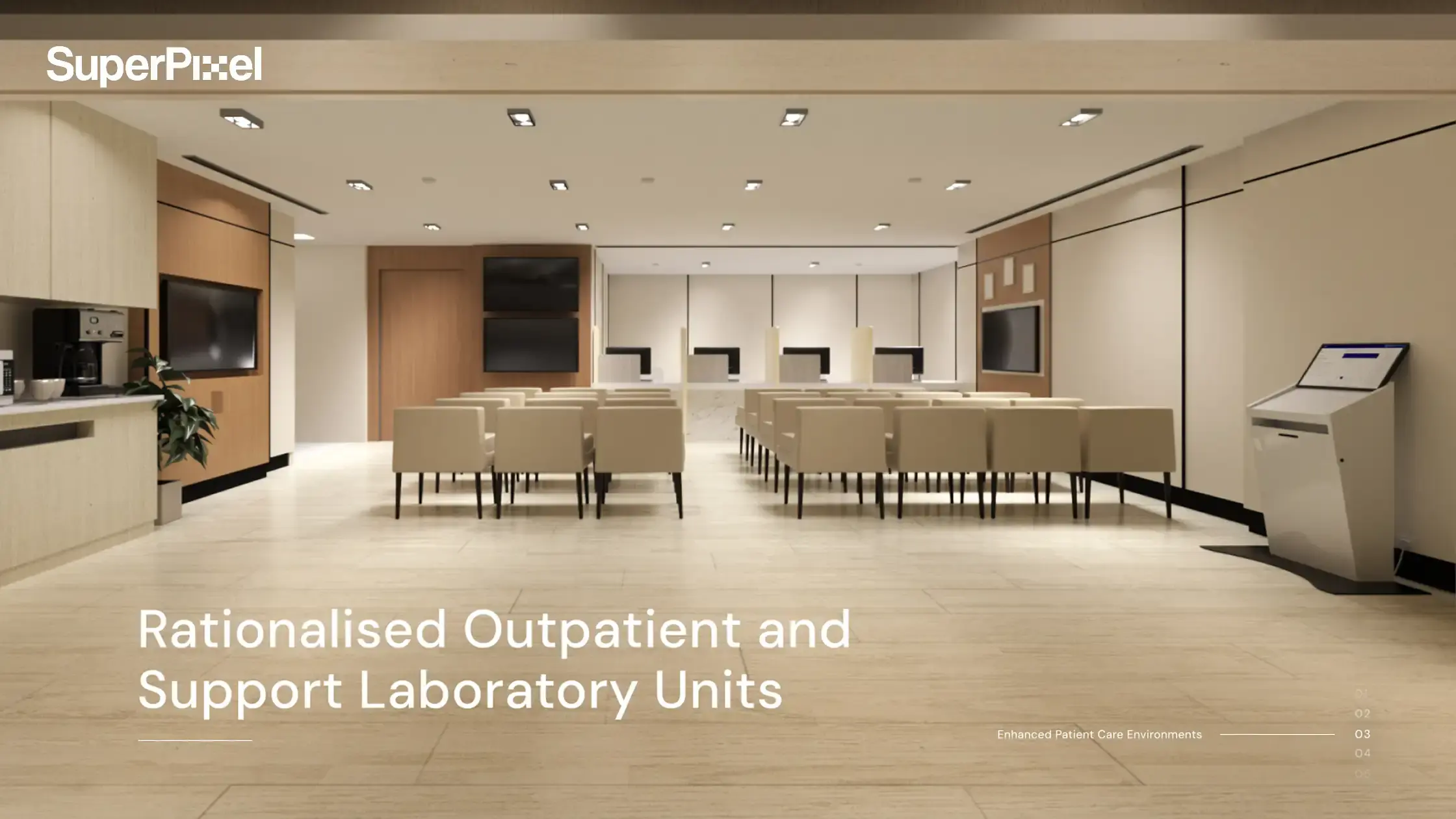
Case Study: Project Renaissance – Mount Elizabeth
A good example of this is Project Renaissance – Mount Elizabeth, created by SuperPixel. For a project this complex, it is not enough to show beautiful interiors.
The real challenge is helping stakeholders see the transformation before the space is actually built and that is exactly where 3D interior animation becomes so useful.
In this video, the visuals do more than just look polished. The photorealistic lighting, refined materials, and smooth camera movements help bring the future environment to life in a way that feels clear and believable.
As the animation moves from the exterior into spaces like the grand lobby, patient wards, and healing garden, viewers are not just looking at the design.
That is what makes this kind of work so valuable for developers. It helps turn a complex design story into something people can follow, connect with, and buy into faster. And when you are trying to sell the vision before construction is complete, that clarity can make all the difference.
Why this matters for developers today
If you are launching a new project, pitching a transformation, or trying to market an unbuilt space, you are not just showing what it looks like. You are trying to help people believe in what it could become.
That is why 3D interior animation has become such a powerful tool. It helps developers communicate more clearly, present more confidently, and turn design ideas into something viewers can actually connect with.
At SuperPixel, that is really where the value comes in. We help teams move beyond static renders and create realistic visuals that support real estate marketing, stakeholder presentations, and stronger client engagement.
Because in the end, people do not buy drawings. They buy the vision.