
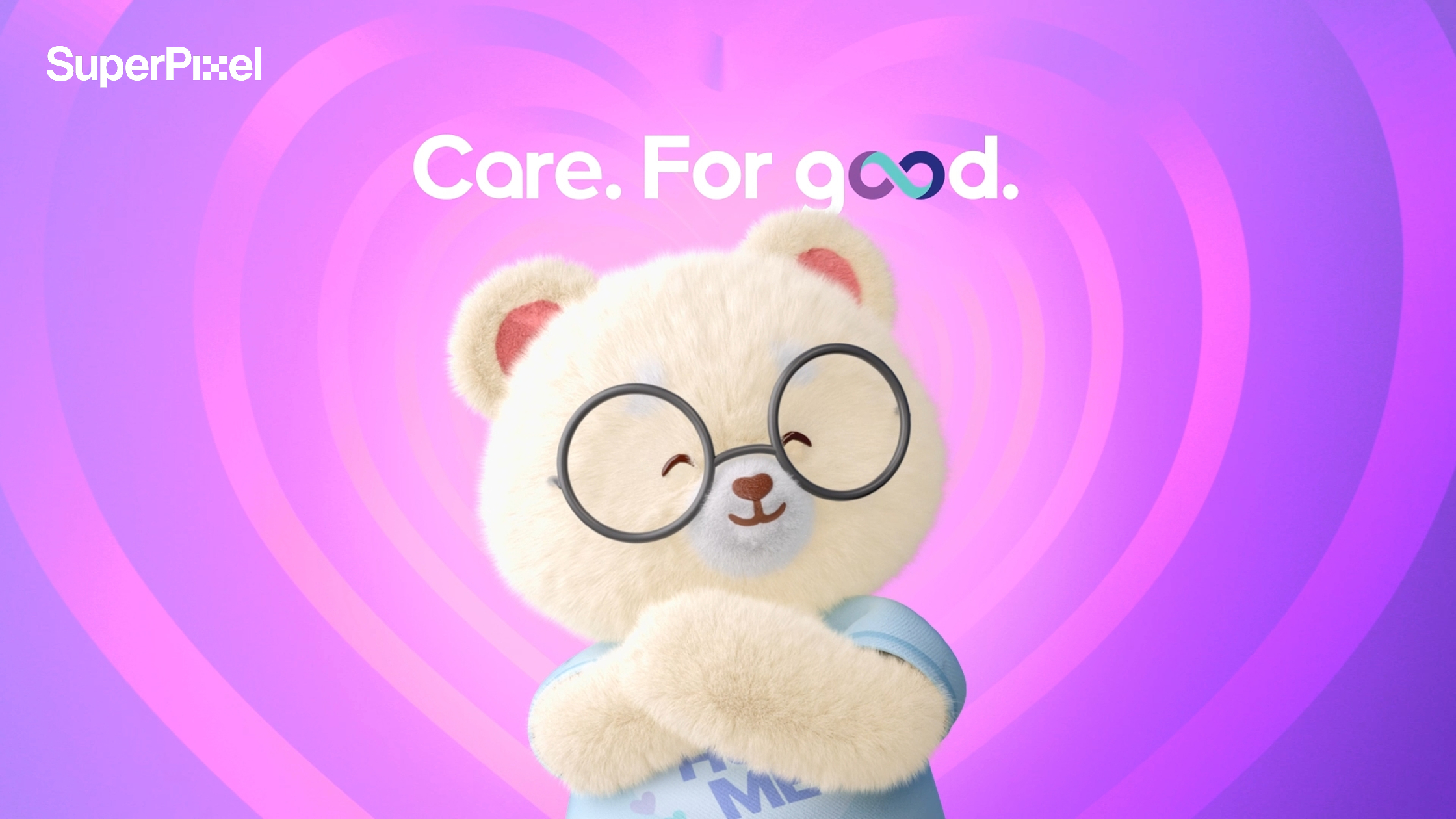
If you are comparing 3D character models cost, the hard part is not finding references.
The harder part is knowing what level of character your project actually needs.
A basic character for a marketing campaign, a mascot for product visualization, an avatar for augmented reality, and a complex model for a game engine may all begin from the same idea. But once the production starts, they can sit in very different budget ranges.
At SuperPixel, we usually start with one practical question: what does this character need to do on screen?
That question matters more than people expect. A character built for mobile games is not scoped the same way as main characters for AAA games, film production, medical visualization, or architectural visualization. The model type, art style, technical requirements, animation needs, and final platform all shape the project scope.
A useful budget is not just about finding the lowest price. It is about understanding what level of detail, performance, and delivery your character really needs, so you can avoid unexpected expenses later.
Read more about Healthcare Explainer Video: How to Make Medical Information Easier to Understand
How art style affects character pricing
Art style is usually the first thing clients think about, but it is not always the biggest cost driver.
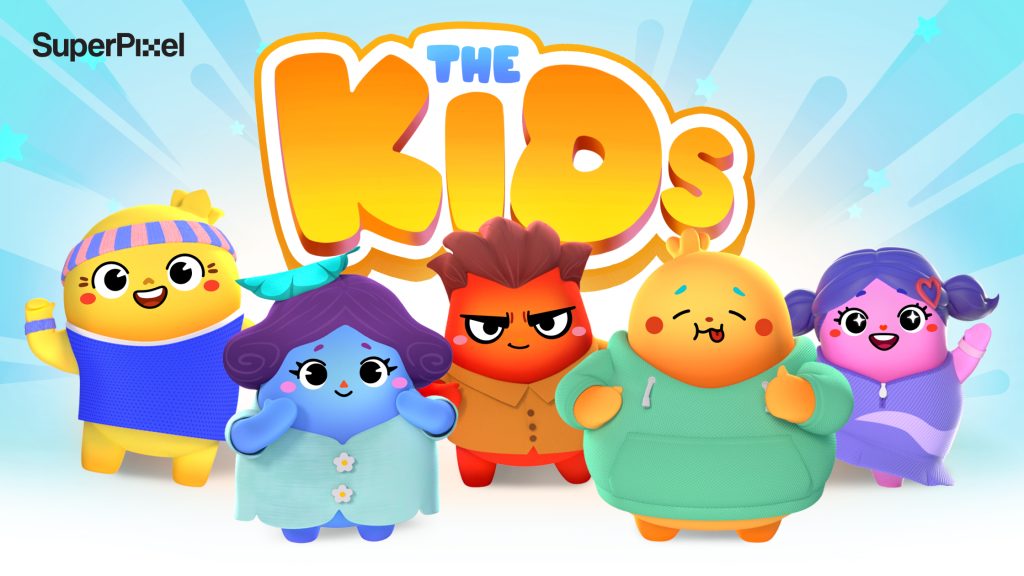
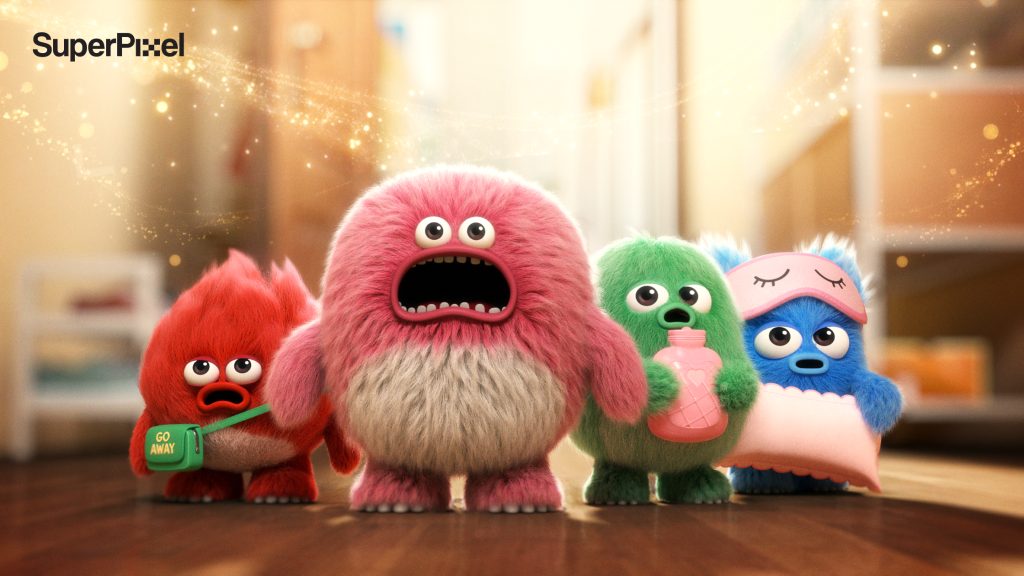
Stylized characters can look simple, especially when they use cleaner shapes, simplified textures, and fewer micro-details. In many cases, that makes them faster to produce than realistic models, which may need high-resolution sculpting, realistic hair, advanced texture work, and more revision time.
But stylized designs are not automatically cheap. If the character needs expressive faces, multiple poses, clean rigging, specific art direction, or several versions for marketing campaigns, the cost can still rise.
Read more about Augmented Reality Price: What You Need to Know to Get Started
For us, the useful question is not whether the style is realistic or stylized. The better question is whether the art style supports the story, the platform, and the way the audience will actually see the character.
Pricing Factors That Affect 3D Character Models Cost
Not every 3D modeling quote is built from the same assumptions. At SuperPixel, we usually look at the full production context first, because pricing can change depending on project complexity, timeline, technical needs, and the type of specialist required.
| Pricing Factor | Why It Affects Cost | What Clients Should Know |
|---|---|---|
| Project complexity | The complexity of a 3D model significantly influences its pricing; higher complexity models require more time and effort, which directly impacts the cost, with very high complexity models potentially exceeding several thousand dollars. | A basic character and a high complexity character should not be scoped the same way. More details, rigging, textures, and animation needs usually mean more production time. |
| Designer experience and location | The pricing of 3D modeling services can vary widely based on factors such as project complexity, designer experience, and geographical location, with rates ranging from $7 to $150 per hour depending on the artist’s location and expertise. | Lower hourly rates may look attractive, but experience, quality control, and production clarity matter when the asset needs to work across real campaign or platform requirements. |
| Rush timeline | Tight deadlines can lead to higher prices for 3D modeling services, with a potential surcharge of 25-50% for rush jobs due to the increased pressure and need for overtime work. | A rushed timeline does not only affect cost. It can also reduce the time available for concept art, review rounds, testing, and technical checks. |
| Industry specialization | Industry specialization can affect pricing, with generalist 3D artists typically offering more accessible rates, while specialists in fields like medical visualization or architectural rendering may charge 30-50% more due to their expertise. | Specialized work often needs industry specific standards, technical accuracy, and stricter review. That expertise may cost more, but it can prevent expensive mistakes later. |
Character complexity and technical requirements
Character complexity usually comes from three things: how the model looks, how it moves, and where it will be used.
A low poly character for a simple game or mobile experience has a different build process from high poly models created for cinematic close-ups. A medium complexity character may only need a clean base mesh, simple clothing, basic expressions, and a rig that supports standard movement.
A high complexity character is different. It may need realistic hair, intricate details, cloth simulation, dynamic lighting response, detailed texture maps, uv mapping, normal maps, and advanced surfacing.
Read more about How 3D Interior Animation Helps Developers Sell the Vision
Realistic models often need 30-50 percent more revision time than stylized ones because accuracy takes more checking. The more complex the character, the more important it becomes to define the technical requirements early.
If the character must run inside Unreal Engine, Unity Asset Store-style delivery, a game engine, or an augmented reality experience, the team needs to plan optimization, file formats, texture maps, and performance from the beginning.
Why concept art matters before 3D modeling
Concept art is where cost control starts.
Before 3D modeling begins, the team needs to know what the character is, how it should feel, and which details are actually worth building. This stage helps define the character’s silhouette, costume, personality, proportions, and specific project requirements.
Without clear concept art, changes often happen too late. A client may decide the character feels too young, too realistic, too playful, or too far from the brand after modeling has already started.
That is where unexpected expenses appear. Clear communication during concept development helps protect the budget because the 3D team is not guessing while production time is already being spent.
3D modeling cost breakdown by model type
A useful cost breakdown should be based on the role of the character, not only on whether it looks simple or detailed.
| Model Type | Best Used For | Cost Consideration |
|---|---|---|
| Low-poly models | Games, VR, mobile games, augmented reality, and real-time applications | Low-poly models typically use under 10,000 polygons, so they are lighter and easier to run in a game engine or interactive platform. The cost depends on optimization, texture maps, rigging, and real-time performance. |
| High-poly models | Film production, cinematic renders, product visualization, and close-up hero shots | High-poly models can exceed 5 million polygons and are usually used for pre-rendered work. They often cost more because they need intricate details, advanced texturing techniques, realistic materials, and longer production time. |
| Custom 3D models | Brand mascots, main characters, campaign assets, product launches, and specific project requirements | Custom 3D models are usually more expensive than stock models because they are built around the client’s brief, art style, technical requirements, and usage rights. |
| Realistic models | Human characters, AAA games, medical visualization, film, and high-end character work | Realistic models often require more research, revision, realistic hair, anatomy checks, skin detail, cloth behaviour, and lighting response. |
| Stylized models | Marketing campaigns, explainer videos, brand mascots, and social media content | Stylized models can be more cost-efficient, but the price can still increase if the character needs expressive rigging, multiple models, animation, or a very specific art direction. |
| Industry-specific models | Game characters, product visualizations, architectural models, vehicle designs, and medical visualization | 3D models can be categorized based on their intended use, and each category has different pricing structures. A game character, for example, needs different technical planning from an architectural visualization model. |
Hourly Rates vs Fixed Price Pricing Structures
Different studios use different pricing structures. Some work with hourly rates, while others prefer a fixed price based on the project scope. At SuperPixel, we usually look at how clear the brief is first, because the best pricing model depends on how much is already defined before production starts.
| Pricing Structure | Best For | What Clients Should Know |
|---|---|---|
| Hourly rates | Projects that are still exploratory, where the art direction, technical requirements, or animation needs are still developing. | Hourly rates can be useful when the brief needs room to evolve. But the final cost can shift depending on revision rounds, technical complexity, and production time. |
| Fixed price | Projects with a clear project scope, confirmed deliverables, revision rounds, licensing fees, technical requirements, and final usage rights. | A fixed price gives clearer budget control, but only when the assumptions are already agreed. If the scope expands, higher prices may still appear. |
| Additional animation scope | Characters that need rigging, weight painting, and performance animation. | Complex character animation with rigging, weight painting, and performance animation increases costs by $200 to $600 and adds 7 to 14 days to project timelines. |
For us, the most important thing is not only the number. It is whether the pricing structure makes the production assumptions clear: what is included, what is not included, and where the cost may change if the character becomes more complex.
When high poly models and high poly detail are worth it
High poly models are useful when the audience will actually see the detail.
If the character appears in close-up shots, cinematic films, hero campaign visuals, premium product visualization, or AAA character work, high poly detail can help the final product feel more polished and believable.
But high poly is not always necessary. If the character appears in small frames, fast social edits, mobile games, or real-time experiences, too much detail may not improve the viewer’s experience. It can also add production time or affect performance.
This is where we usually ask a practical question: will the viewer notice the detail, or will they only notice the character’s overall presence?
If the answer is overall presence, silhouette, movement, and clarity may matter more than intricate details.
High complexity projects: games, AR, and industry use cases
High complexity projects usually involve more than visual polish. They often need technical planning, testing, and platform-specific delivery.
This is common in augmented reality, medical visualization, architectural visualization, game projects, and interactive experiences. A character for AR needs to perform well on devices. A character for a game may need to work inside a game engine with the right poly count, texture maps, rigging setup, and animation states.
For AAA games, the asset may need higher detail, stricter optimization, and industry specific standards. For film production, the character may need to hold up under lighting, camera movement, close-up framing, and high-end tools such as Marvelous Designer.
This is why project complexity matters. The same design can have very different prices depending on whether it is used for a campaign video, mobile app, Unreal Engine experience, or cinematic launch film.
A good project manager should help define these requirements early, so the team does not build a model that is too heavy, too light, or wrong for the final platform.
How to avoid unexpected expenses
The best way to avoid unexpected expenses is to define the role of the character before production starts.
Is it a basic character, a mascot, an avatar, an AAA character, or a real-time asset? Will it appear in one video, multiple models, a game, an AR app, or long-term marketing campaigns?
Then define the production needs: art style, concept art, technical requirements, animation needs, file delivery, licensing fees, review rounds, and final usage rights.
Competitive rates are helpful, but they should not be the only decision factor. A cheaper quote can become expensive if the team does not understand the platform, the model complexity, or the client’s specific project requirements.
For us, the best 3D character budget is the one that matches the job the character needs to do. Not less, not more. Just clear enough to support the story, technical enough to work properly, and polished enough to leave the right impression.
Frequently Asked Questions
How much does 3D character models cost for a character?
3D modeling cost depends on the character’s role, art style, technical requirements, and final usage. At SuperPixel, we scope the cost based on what the character needs to do on screen, not just how detailed it looks.
What affects character complexity the most?
Character complexity is shaped by model detail, movement, platform, rigging, texture maps, and animation needs. That is why we look at the full production context before deciding whether a character should stay simple, medium complexity, or high complexity.
Are hourly rates or fixed price better for 3D character projects?
Both can work, but fixed price is usually clearer when the project scope and deliverables are already defined. Hourly rates may be better when the art direction or technical requirements are still developing.
When do high poly models make sense?
High poly models make sense when the audience will actually see the extra detail, such as close-up shots, film production, AAA games, or premium product visualization. For mobile games or real-time use, we usually recommend optimizing the model instead.
How can brands avoid unexpected expenses?
Define the character’s purpose, platform, art style, animation needs, and delivery files before production starts. At SuperPixel, early scoping and clear communication help make sure the model is built for the right use case from the beginning.