


Mascot animation is not just about making a character move. For brands, a mascot works best when it has a clear role in the message.
Sometimes, the mascot becomes a host. Sometimes, it guides viewers through information. Sometimes, it makes a serious topic feel easier to approach. In other cases, it becomes part of a wider brand world that can appear across videos, campaigns, events, or digital touchpoints.
That is why a mascot animation service should not only focus on how the character looks. It also needs to shape how the character behaves, reacts, explains, and helps the audience move through the story.
For brands looking for a mascot animation service in Singapore, the question is not simply, “Can we create a cute character?” A better starting point is, “What should this character help people understand?”
Mascots Work Best When They Have a Job
A strong mascot is not just a face for the brand. It has a function.
It may help children understand a public education message, make internal communication feel warmer, guide alumni through benefits, or carry a sports identity across broadcast visuals. The design matters, but the behaviour matters just as much.
Movement gives the mascot its personality. A wave, blink, pause, cheer, reaction, or gesture can change how the character feels. Too little motion can make it feel flat. Too much can make it distracting. The goal is to find the right behaviour for the message.
This is where animation becomes more than decoration. It turns the mascot into part of the communication.
1. Hopey: A Mascot for Awareness and Community
Hopey, the sunflower mascot created for 365 Cancer Prevention Society, is a clear example of a mascot built around warmth and public education. SuperPixel produced a 2D animated short film introducing Hopey as a symbol of hope and cancer prevention, using character-driven storytelling to connect with families and communities.
For a topic like cancer prevention, the mascot cannot feel too loud or too playful. It needs to feel approachable enough for families, but still respectful of the subject. That is why Hopey works as more than a visual icon. The character gives the message a softer entry point.
This is one of the most useful roles a mascot can play. It helps an organisation speak about an important topic without making the communication feel too formal or distant.
2. Kozi: A Mascot as a Corporate Host
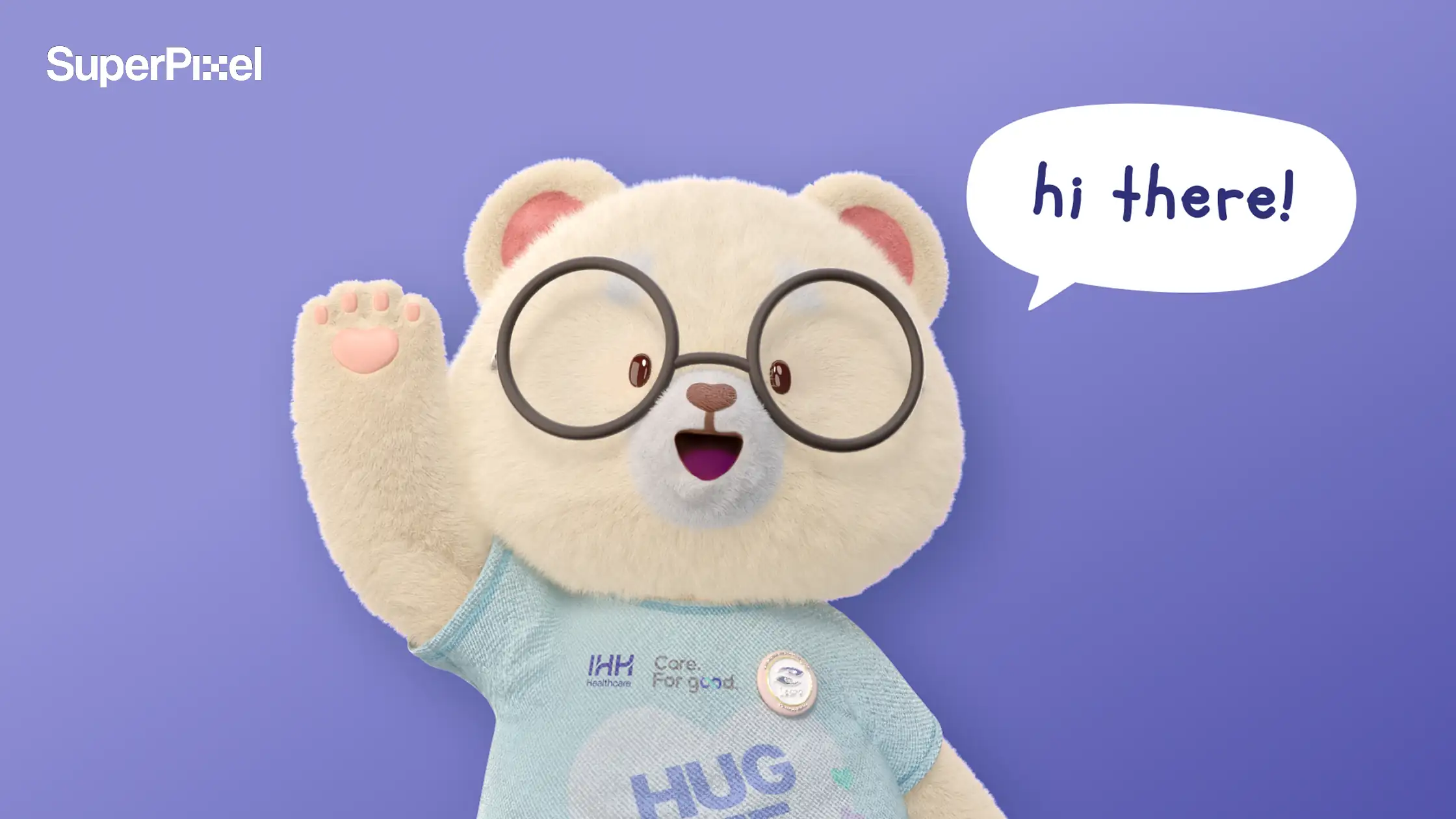
Kozi from IHH Healthcare shows how mascot animation can support corporate and internal communication.
In the video, Kozi is not treated as a static character sitting beside the message. The mascot acts as a host, introducing global dance challenge winners and interacting with real employee submissions shown on a smartphone screen. That small detail matters because it places the mascot in the same visual space as real people.
For a large healthcare group, that kind of treatment helps soften the tone of the announcement. Kozi’s gestures, expressions, and reactions make the communication feel warmer, while still keeping the message clear.
The mascot also helps guide the viewer towards the next action, including the QR code at the end. Instead of feeling like a direct instruction, the call to action becomes part of the character-led flow.
This is a useful reminder for corporate brands. A mascot does not have to make communication childish. When it has the right motion language, it can make formal messages feel more human and easier to follow.
3. UrSUSS and SUSSha: Mascots as Explainer Guides
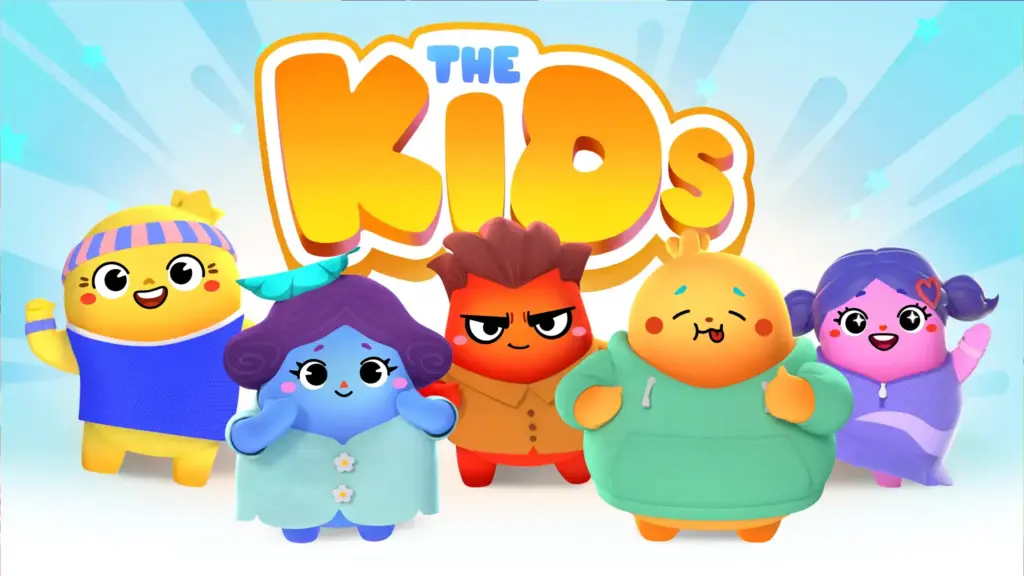
For Singapore University of Social Sciences, SuperPixel produced a 2D animated explainer video featuring the SUSS mascots UrSUSS and SUSSha. The mascots guided viewers through the perks and benefits available to alumni in a more approachable way.
This is a different kind of mascot role. Here, the characters are not only there to represent the brand. They help organise information.
Alumni benefits can easily become a list of programmes, perks, and details. By using mascots as guides, the video gives viewers someone to follow through the explanation. The characters help the content feel less like an information page and more like a guided walkthrough.
For schools, universities, member organisations, and community programmes, this is often where mascot animation becomes useful. It can turn a list of benefits into a clearer viewing experience.
4. The Accountability Coach: Duolingo
Duolingo’s Duo shows how a mascot can reinforce behaviour inside a product experience. The owl’s quick reactions, sharp expressions, and timely reminders make it feel less like a decorative icon and more like a small digital coach, nudging users back into the habit of learning. For brands, the useful lesson is that mascot animation can support a specific behaviour when the motion feels purposeful, not random.
5. The Emotional Anchor: Mailchimp
Mailchimp’s Freddie the Chimp plays a softer role, often appearing around moments where users may need reassurance, such as sending out a campaign. The animation does not need to be loud or complex. A simple gesture or visual cue can make a functional task feel warmer and less mechanical, which shows how a mascot can support the emotional tone of a user journey.
6. The Ecosystem Guides: Salesforce
Salesforce uses characters like Astro, Einstein, and Codey to make a large product ecosystem feel easier to approach. Each mascot has a different role, helping users connect specific tools or learning paths with a more familiar personality. For brands with complex platforms, services, or education journeys, this shows how a family of mascots can organise information and create friendlier entry points.
What Brands Should Decide Before Creating a Mascot
Before starting a mascot animation project, brands should define the character’s role.
- Is the mascot meant to guide?
- Is it there to host a campaign?
- Should it explain a product or service?
- Will it appear in one video, or across a wider content system?
- Does it need to feel playful, calm, formal, energetic, or reassuring?
These questions shape the animation. A mascot for children’s education will not move the same way as a corporate host. A broadcast mascot will need a different rhythm from a healthcare awareness character. A mascot for internal communication may need gestures that feel warm and human, not exaggerated.
The clearer the role, the easier it is to design motion that feels right for the brand.
Planning a Mascot Animation in Singapore?
If your brand already has a mascot, the next step is not simply making it move. It is deciding what the character should do, where it needs to appear, and how it should behave in front of your audience.
As an animation studio in Singapore, SuperPixel can help shape mascot animation around the message, format, audience, and campaign context.
Whether your mascot needs to guide viewers through an explainer, host an internal campaign, support public education, or become part of a wider visual system, the strongest work usually starts with one question.
What should this character help people understand? Once that is clear, the motion has a reason to exist.