Some projects are hard to sell because people cannot see them yet.
That is why 3d visualization companies matter for architects, real estate developers, construction companies, interior designers, and branding agencies.
Before construction begins, a strong visualization studio can transform ideas, architectural concepts, and project details into photorealistic visuals that help people understand the architectural vision clearly.
High-quality 3D visuals are essential for marketing in real estate, as they help convey a lifestyle and emotional connection to potential buyers before construction begins.
Why 3D Visualization Companies Matter in Real Estate Marketing
For real estate marketing, visuals are not only used to show a building. They help potential customers imagine the lifestyle, atmosphere, and value of a space.
This is especially important for residential and commercial projects, where buyers, investors, or stakeholders need a better understanding of the design before making decisions.
A good rendering company can create realistic images, photorealistic renderings, and stunning visualizations for brochures, sales decks, websites, social media, and larger marketing campaigns.
Read more: When Animation Scripting Is the Right Fit for a Complex Explainer
Prominent 3D visualization companies specialize in premium CGI content for architecture, real estate marketing, and international design competitions.
High-end 3D rendering workflows are combined with holistic commercial strategy and property advertising in the ArchViz industry.
Mount Elizabeth | Project Renaissance – A Journey of Transformation
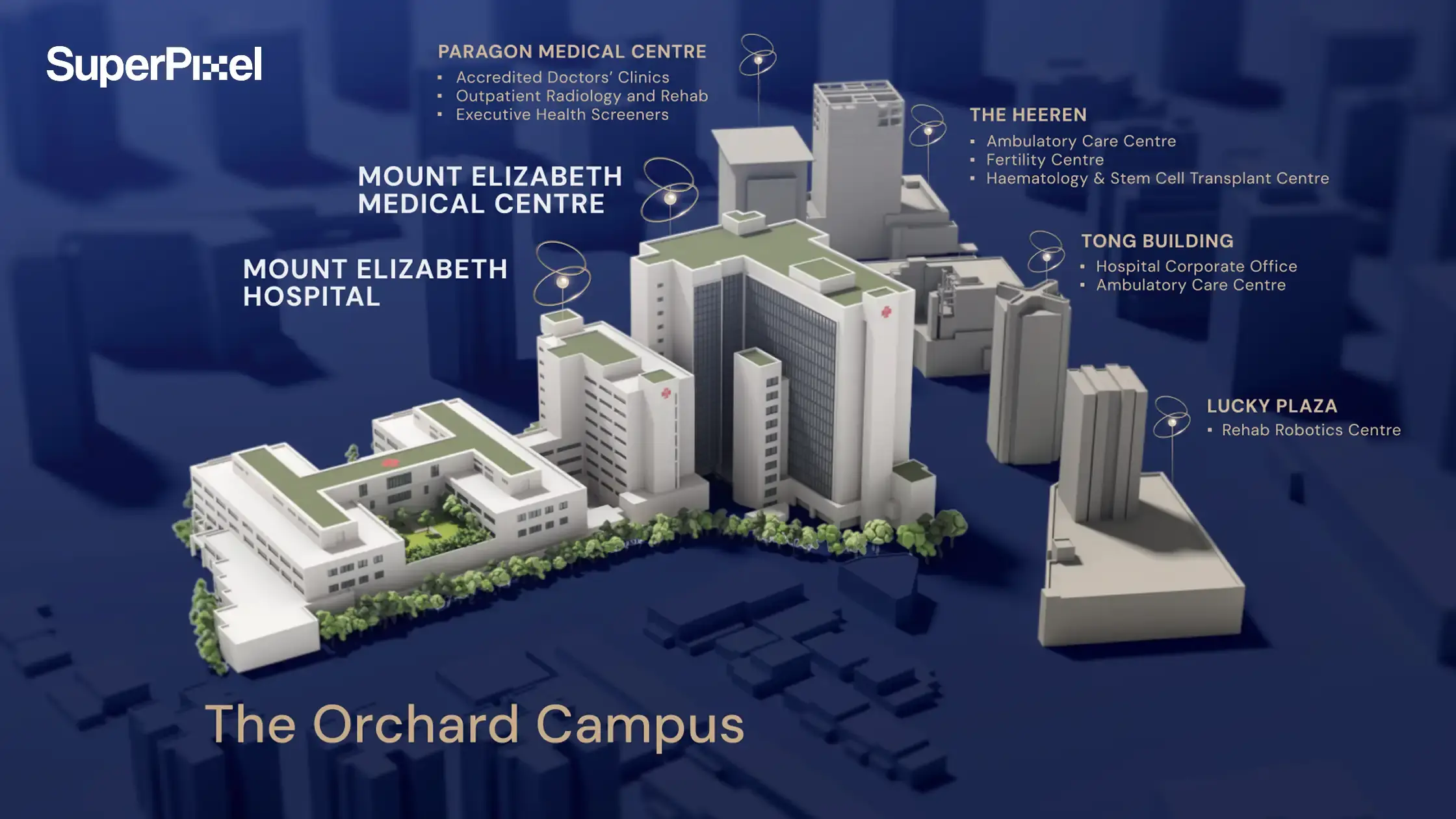
For Mount Elizabeth’s Project Renaissance, SuperPixel used 3D visualization to turn a complex hospital transformation roadmap into a clear and polished corporate explainer.
The project sits between architectural visualization, medical visualization, and motion graphics, showing how future-ready healthcare spaces can be communicated beyond technical drawings.
Through precise 3D models, the video visualized renewed corridors, upgraded lobby areas, advanced operating rooms, smart building systems, and digital infrastructure in a futuristic holographic style.
Read more: Augmented Reality Price: What You Need to Know to Get Started
This made the hospital’s transformation easier for stakeholders to understand, from physical space improvements to connected healthcare technology.
As one of the 3d visualization companies working across architecture, healthcare, and corporate storytelling, SuperPixel helped translate Mount Elizabeth’s architectural vision into a dynamic visual presentation that felt strategic, premium, and easy to follow.
3D Rendering Services Offered by a Professional Visualization Studio
A professional 3d rendering services partner usually offers more than one output. Their rendering services may include architectural rendering services, interior rendering, exterior rendering, product visualization, virtual tours, virtual reality, architectural presentation visuals, and design presentations.
These services are useful across architecture, real estate, furniture, healthcare, and branded environments.
Read more: Immersive Experience Singapore for Brands Events and MICE Campaigns
3D rendering services are essential for various industries, including architecture, real estate, furniture design, and healthcare, as they help visualize designs before construction begins.
The 3D rendering process typically involves translating architectural drawings into photorealistic visuals that help stakeholders understand design intent and context.
Types of 3D Rendering for Architectural Projects
Different architectural projects need different visual formats. A strong visualization team should recommend the right type based on the project goals, audience, timeline, and final delivery format.
Static Architectural Renders
Used for showing the overall design, mood, material, and structure of a building.
Exterior Rendering
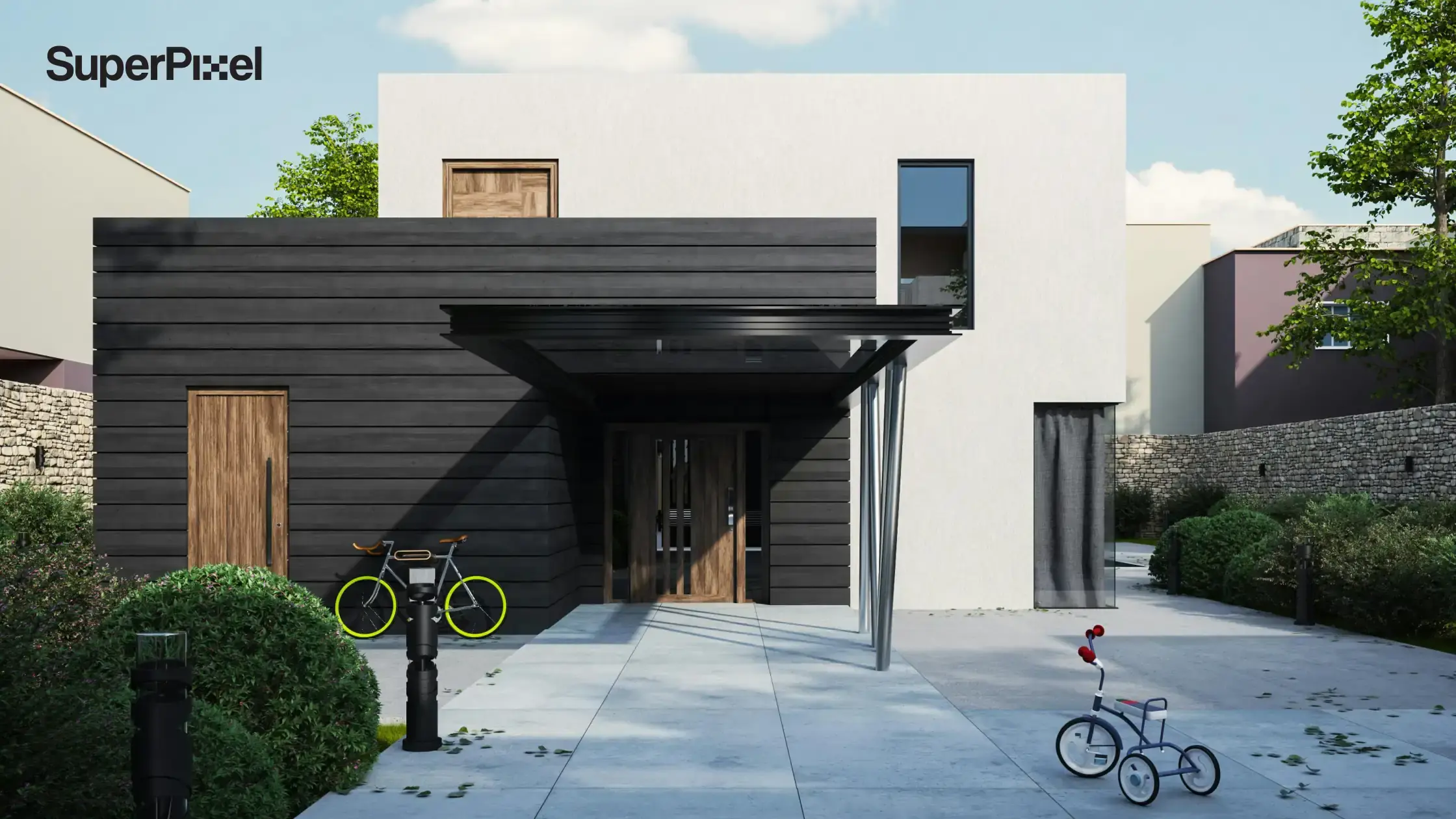
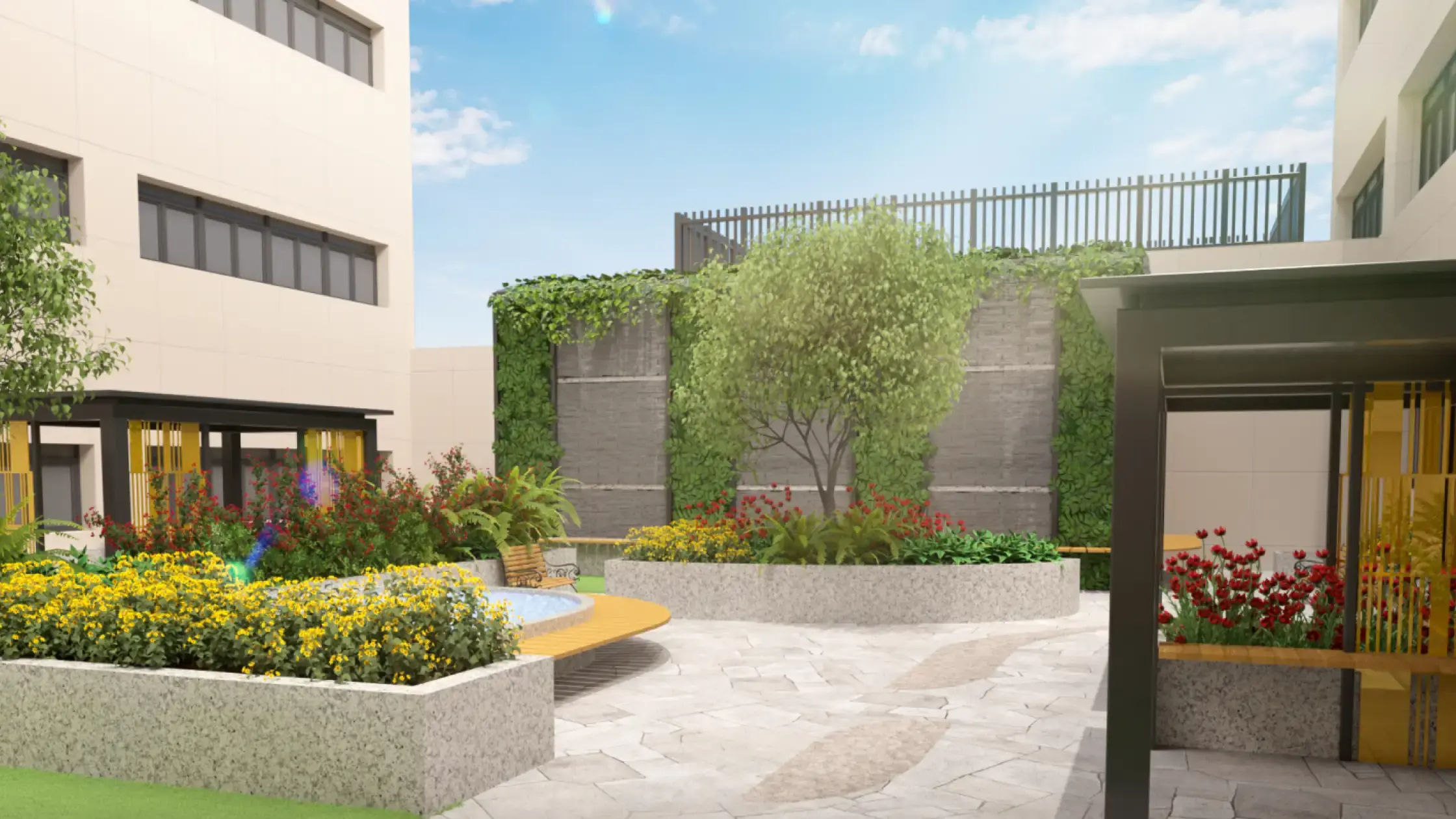
Useful for facades, landscapes, masterplans, commercial spaces, and property launch visuals.
Interior Rendering
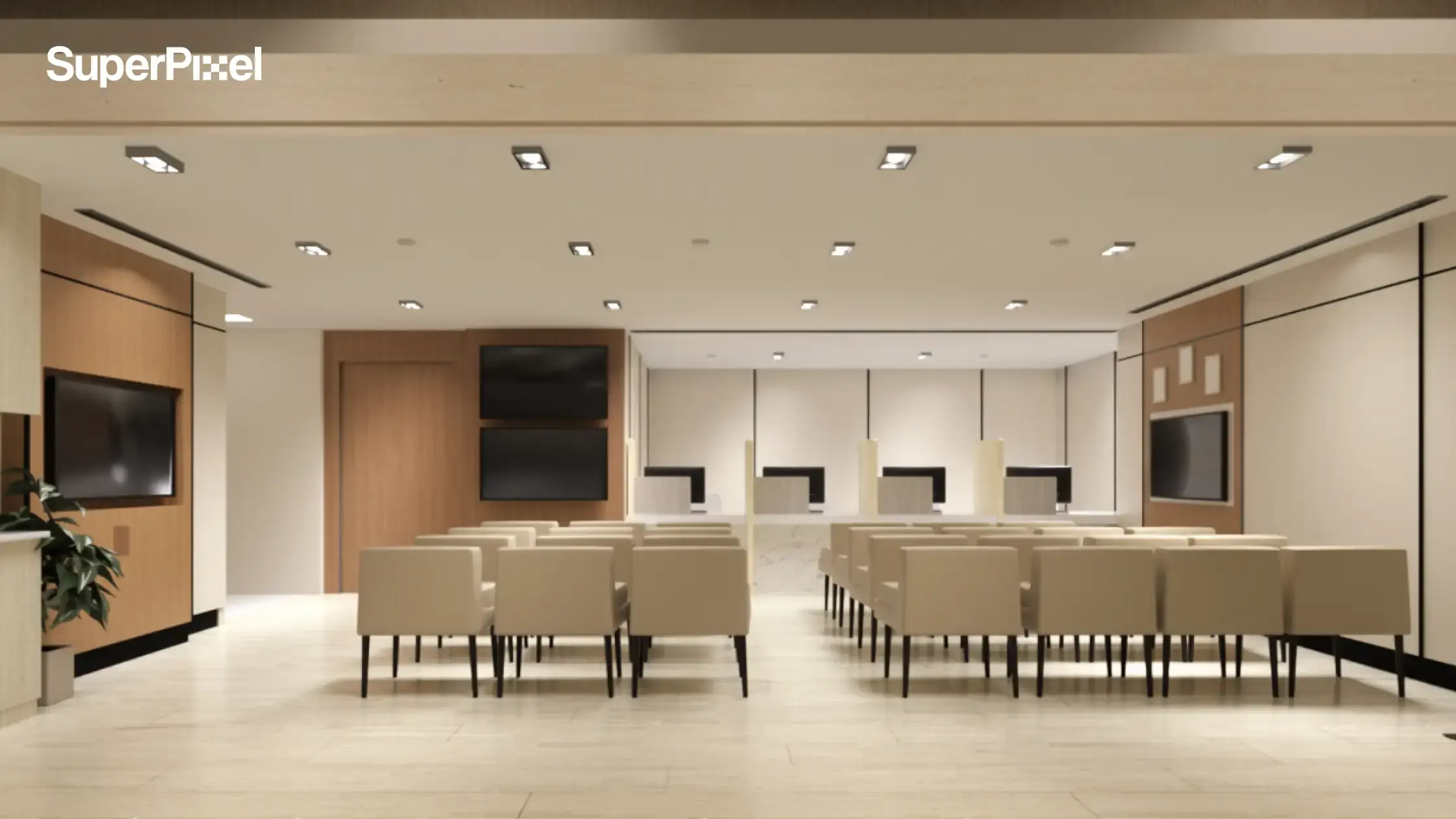
Helpful for interior design, hospitality spaces, show units, retail, offices, and residential projects.
3D Floor Plans
Useful for explaining room layout, furniture placement, flow, and spatial function.
Animations, Virtual Tours, and Virtual Reality
Useful for dynamic presentations, walkthroughs, sales galleries, and immersive experiences using tools like Unreal Engine.
Common types of 3D rendering include static architectural renders, animations, 3D floor plans, and virtual tours, each serving unique purposes in showcasing designs.
Types of 3D rendering include static architectural renders, animations, 3D floor plans, and virtual tours, each serving unique purposes in architectural visualization.
Static architectural renders are used to present the overall design of a building, while animations and virtual tours provide dynamic visual experiences that showcase flow, lighting, and aesthetics.
3D floor plans clarify room layouts and furniture placement, making them essential for understanding the functionality of a space in architectural designs.
Choosing a Studio: How to Compare Top 3D Visualization Companies
When choosing between top studios, do not only look at price. Look at portfolio quality, technical expertise, technical skills, turnaround time, revision rounds, client reviews, and whether the studio can handle large projects or tight deadlines.
Leading companies in the 3D visualization market include MIR, Brick Visual, Luxigon, and DBOX.
When choosing a 3D rendering studio, it is essential to evaluate their portfolio quality, industry experience, client reviews, and the range of services offered.
Selecting a studio based solely on price can lead to poor outcomes; instead, focus on the quality of visual storytelling and the studio’s ability to meet project timelines.

Collaboration Process: From Mood Boards to Final Delivery
The entire process should feel clear from the start. A reliable rendering studio usually begins with mood boards, references, architectural files, BIM data, brand direction, and usage needs.
From there, skilled artists build the visual approach, model the scene, develop lighting, add materials, and prepare high resolution renderings or photorealistic images. At different stages, the client gives feedback so the final result stays aligned with the original design intent.
Effective collaboration between architects and 3D visualization companies often involves clear communication and regular feedback opportunities throughout the project lifecycle.
The collaboration process typically includes gathering architectural plans and BIM data, which are then interpreted by visualization artists to align design intent with visual output.
Successful partnerships in architectural visualization are characterized by a structured workflow that includes defined stages, milestones, and feedback formats to ensure all stakeholders are aligned.
Final Thoughts: The Best 3D Visualization Companies Help People Believe in the Idea
The best 3d visualization companies do more than produce photorealistic visualizations. They help people understand an idea before it becomes real.
For me, that is the real value of 3d architectural visualization. It turns something technical into something human. It helps architects, developers, marketers, and customers see not only what a space looks like, but what it could feel like.
And sometimes, that feeling is what makes the project easier to believe in.
FAQ
1. What do 3D visualization companies usually do?
3D visualization companies help turn architectural plans, design concepts, or product ideas into visual assets such as photorealistic renderings, animations, 3D floor plans, and virtual tours. These visuals make it easier for clients, buyers, and stakeholders to understand a project before it is built.
2. Why is 3D rendering important for real estate marketing?
3D rendering helps real estate developers market properties before construction begins. Instead of relying only on floor plans or technical drawings, developers can show realistic visuals that communicate lifestyle, mood, space, and design value to potential buyers.
3. What should I look for when choosing a 3D rendering studio?
When choosing a 3D rendering studio, look at their portfolio quality, industry experience, client reviews, technical expertise, turnaround time, and range of services. A good studio should not only create realistic images, but also understand visual storytelling and your project goals.
4. What are the common types of 3D rendering services?
Common 3D rendering services include static architectural renders, interior rendering, exterior rendering, 3D floor plans, animations, virtual tours, and virtual reality experiences. Each type serves a different purpose, from design presentations to real estate marketing campaigns.
5. How does the collaboration process usually work?
The process usually starts with collecting project details, architectural plans, BIM data, references, and mood boards. After that, the visualization team develops the visual direction, creates draft renders, collects feedback through revision rounds, and prepares the final delivery for marketing or presentation use.