
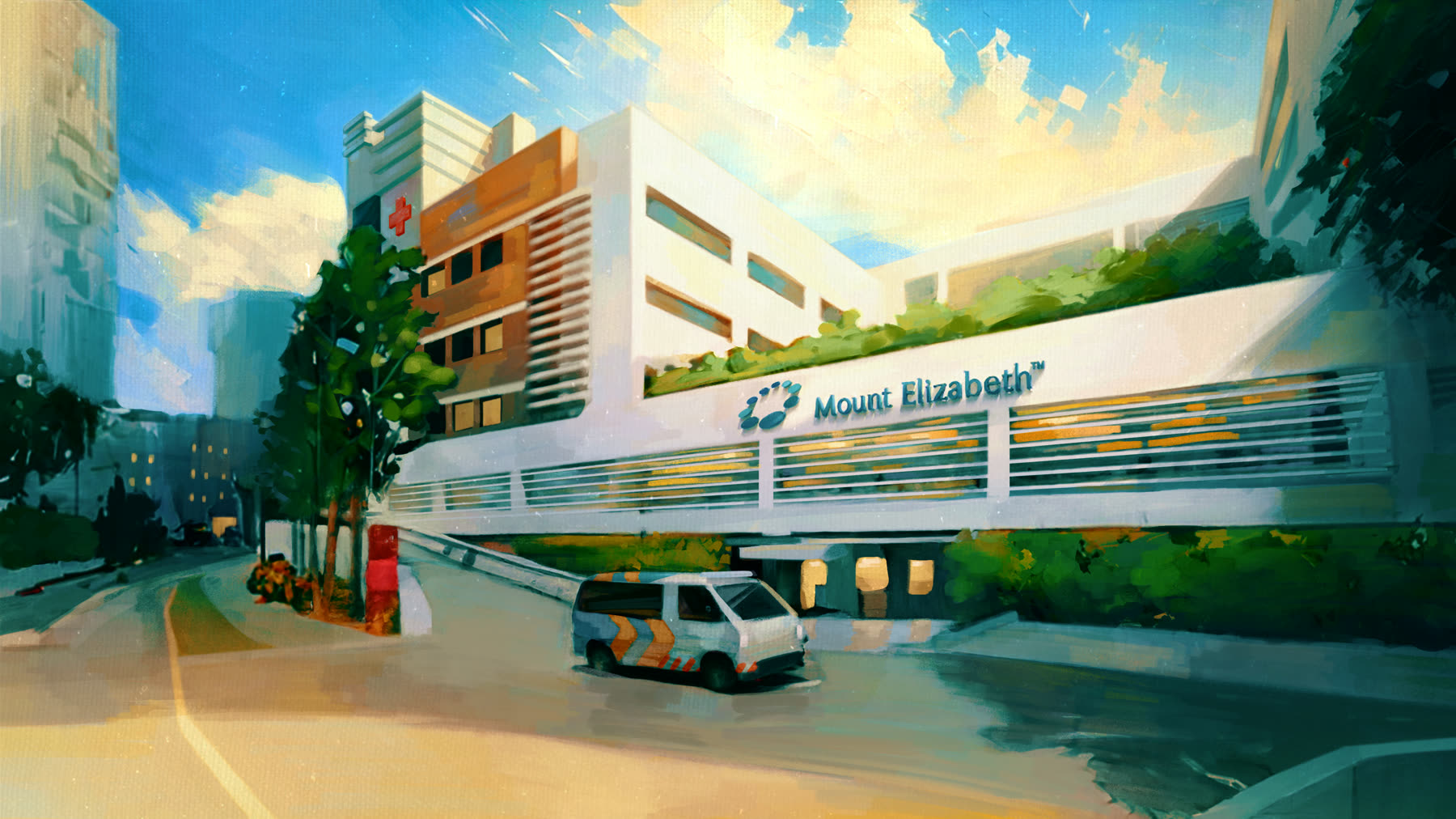
Mounth Elizabeth Hospital
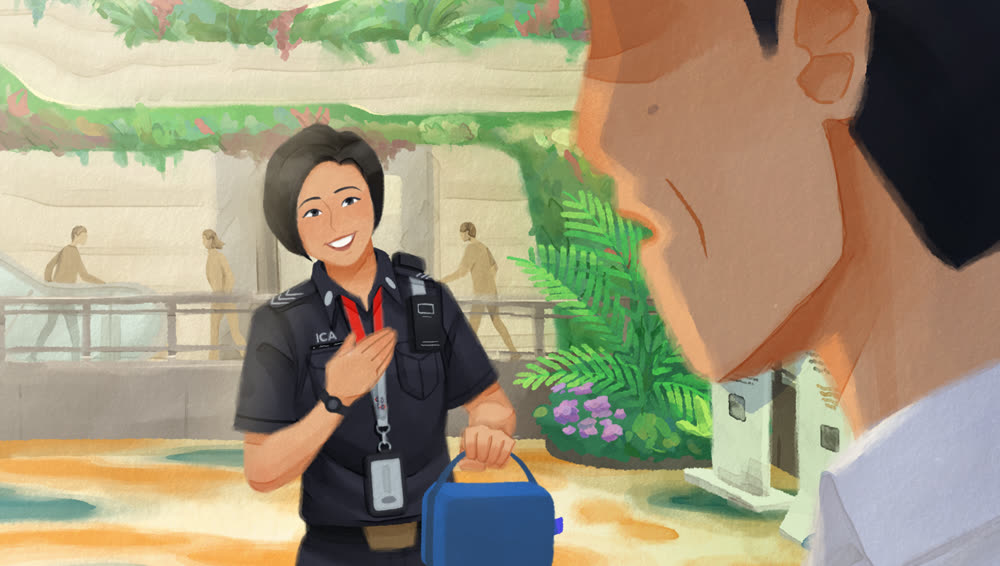
Brand Story Video



UI animation for product, app, and web teams that need interfaces to
feel responsive, guided, and alive at every tap, swipe, and state change.
From micro-interactions and transitions to onboarding motion, loaders, and empty states, Superpixel designs UI animation services and hands them to your engineers dev-ready as Lottie/JSON and exportable files: motion that ships, not mockups that stall.
Trusted by


































Brand Story Video
“Magic in Transit” Brand Campaign
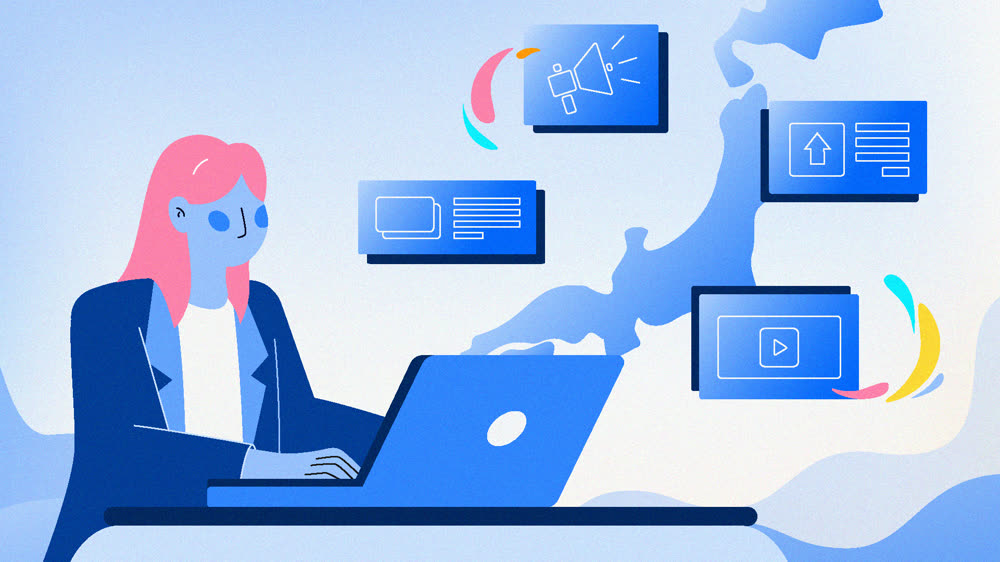
Product Animation Video
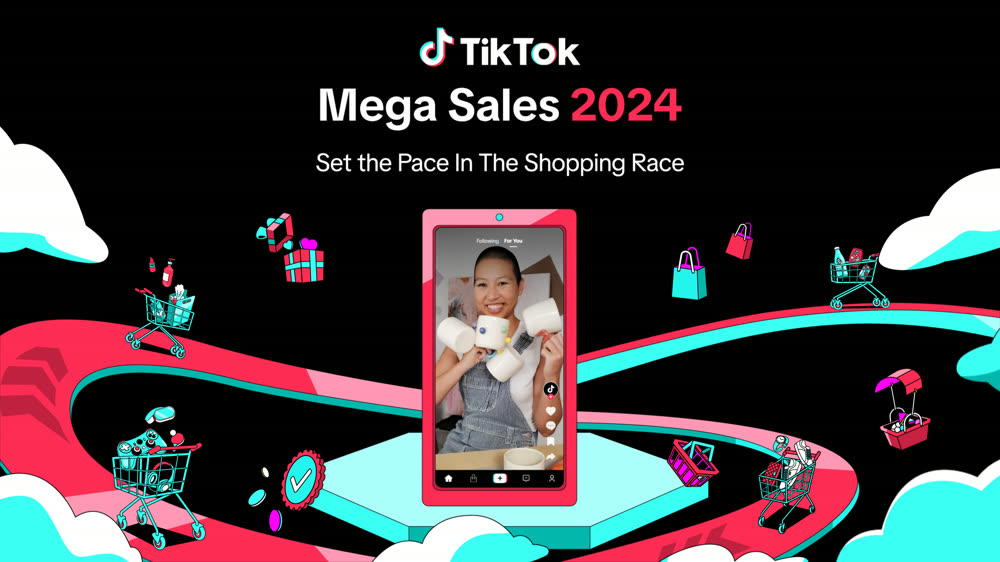
Mega Sales 2024 Campaign
UI animation is the layer of motion that lives inside the interface itself: the button that responds, the screen that transitions, the loader that reassures, the onboarding that guides a first-time user through what to do next. Done well, it makes a product feel faster, clearer, and more trustworthy: it confirms actions, shows relationships between screens, softens state changes, and turns dead waiting moments into moments of feedback. This is craft for product, app, web, and design teams. Not campaign work, and not something a static prototype can prove until it is actually built and running.
Where marketing motion has to grab attention, interface motion has to earn it by staying out of the way; it is measured in milliseconds, easing curves, and how little the user notices it while still feeling guided. Superpixel’s motion team already delivers UI & explainer motion, so the same hands that animate your interface understand storytelling, timing, and brand. If you also need broadcast or campaign-facing work, our motion graphics services cover the brand-motion side without you re-briefing a second studio.
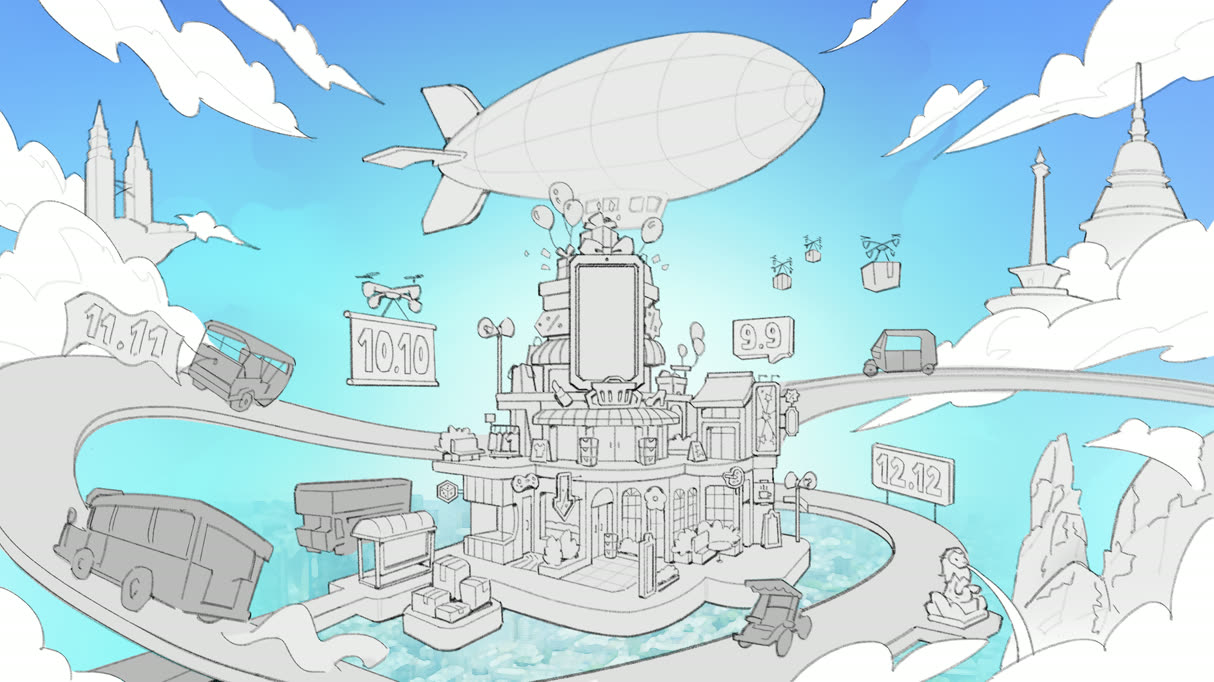
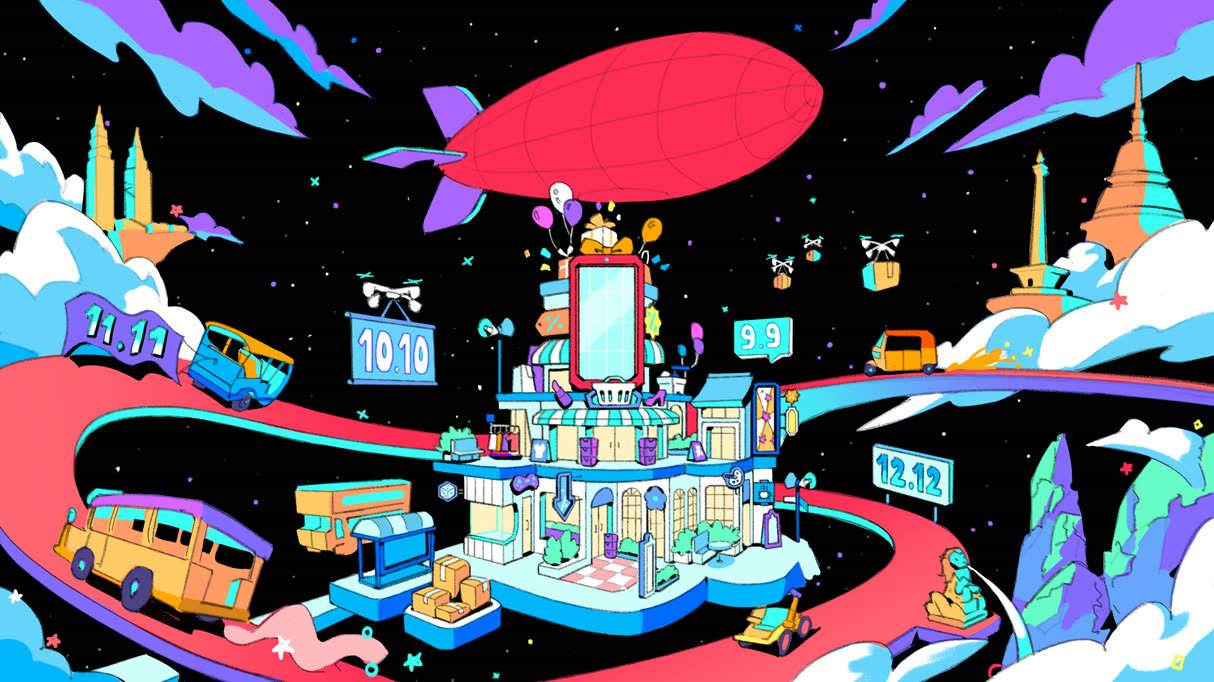
Every UI animation project starts with the interaction, the state, and the moment in the flow where motion has to do a job. From there we design the timing, easing, and behaviour, then deliver it in the exact format your engineers can drop straight into the build.
For the small, high-frequency moments: buttons, toggles, likes, form validation, and hover and press feedback that confirm every action feels responsive.
Best For:
Buttons & Toggles / Form Feedback / Likes & Reactions / Pull-to-Refresh / State Confirmation
For screen transitions, navigation flows, gestures, and shared-element movement that show users how one part of the product connects to the next.
Best For:
Screen Transitions / Navigation Flows / Gesture Feedback / Tab & Modal Motion / Shared-Element Moves
For motion your engineers can implement without redrawing it: exported as Lottie/JSON and platform-ready files, tested to run light and scale crisply.
Best For:
Lottie/JSON Export / iOS & Android / Web & React / Lightweight Assets / Handoff Docs
For teams standardising how their product moves: reusable motion tokens, timing and easing rules, and component behaviour documented for consistency at scale.
Best For:
Motion Tokens / Easing & Timing Rules / Component Behaviour / Motion Guidelines / Team Handoff
For guiding first-time and returning users: onboarding sequences, empty states, loaders, tooltips, and feature reveals that teach without a wall of text.
Best For:
Onboarding Flows / Empty States / Loaders & Skeletons / Feature Reveals / Coachmarks & Tooltips
A predictable five-step process. No surprises, no scope creep.
Brief, audience, message, success metrics
Script, style frames, storyboard
Illustration, animation, sound design
Two structured rounds of revision
Final files, cutdowns, captions
FAQ
UI animation services cover the motion that lives inside a working interface: micro-interactions, transitions, onboarding, loaders, and state changes for apps, products, and websites. Motion graphics, by contrast, is brand and broadcast motion made to grab attention in a campaign. We do both, but they are briefed differently: interface motion is built for product and design teams and delivered dev-ready, while motion graphics is built for marketing. If you need brand-facing motion, see our motion graphics services.
It depends on how many interactions, screens, and states are in scope and whether you need a one-off set of animations or a full design-system motion library. As a guide, most of our projects fall in the S$10,000 to 20,000 range, and we can scope a smaller pilot, a single onboarding flow or a set of micro-interactions, before committing to a larger build. Share your flows or Figma files and we’ll give you a fixed quote.
A focused set of micro-interactions or a single onboarding sequence typically takes around two to four weeks from brief to dev-ready delivery. A larger scope usually runs four to eight weeks: multiple flows, a design-system motion library, or coordinated app and web motion. Timeline depends mostly on how settled your UI designs are; the more final the screens, the faster the motion work moves.
Yes. Dev-ready delivery is the point. We export motion as Lottie/JSON and platform-appropriate files for iOS, Android, and web, tested to run lightweight and scale crisply. You get handoff documentation covering timing, easing, and behaviour so your engineers can implement the motion exactly as designed, without redrawing or guessing.
Yes. We work directly from your Figma files, components, and existing design system, and we can define reusable motion tokens, easing and timing rules, and documented component behaviour so your product moves consistently as it grows. If you don’t have motion standards yet, building that layer can be part of the engagement so your team has a repeatable system afterwards.
Yes. Superpixel runs four studios across Asia-Pacific and North America, and UI animation is remote-friendly work. We collaborate through your Figma, repos, and calls, and deliver Lottie/JSON and exportable files your engineers implement wherever they are. Time-zone overlap and clear handoff docs keep the loop tight regardless of where your team sits.
TESTIMONIALS
SuperPixel can be trusted to deliver creative animation work. Their experienced team is easy to work with, always available to guide us, and clear in managing project timelines and expectations. It has been a breeze working with them.

The event went smoothly, and it was a successful New Year's Eve celebration for us. Thank you, SuperPixel, for all the work and support you put into making it happen.
The work SuperPixel has provided us has been nothing short of great. Their revisions were spot on, and the final result matched what we had in mind. It has been a pleasure working with the team.

Really enjoyed working with SuperPixel, they are able to fully understand the creative needs of different projects given and deliver the animations accordingly. At the same time, the team is also very accommodating, clear and quick with their works.

The visuals were heartwarming and beautifully captured the story we wanted to share. It was a fantastic collaboration! The team's creativity and dedication brought our idea to adorable character, amplifying our message in a powerful way.
The animations enhanced our campaign! Delivering a polished and impactful message. The team's creativity and adaptability brought our vision to life effortlessly.

Bring us the idea. We’ll help shape it into something
worth watching, sharing, and experiencing.