


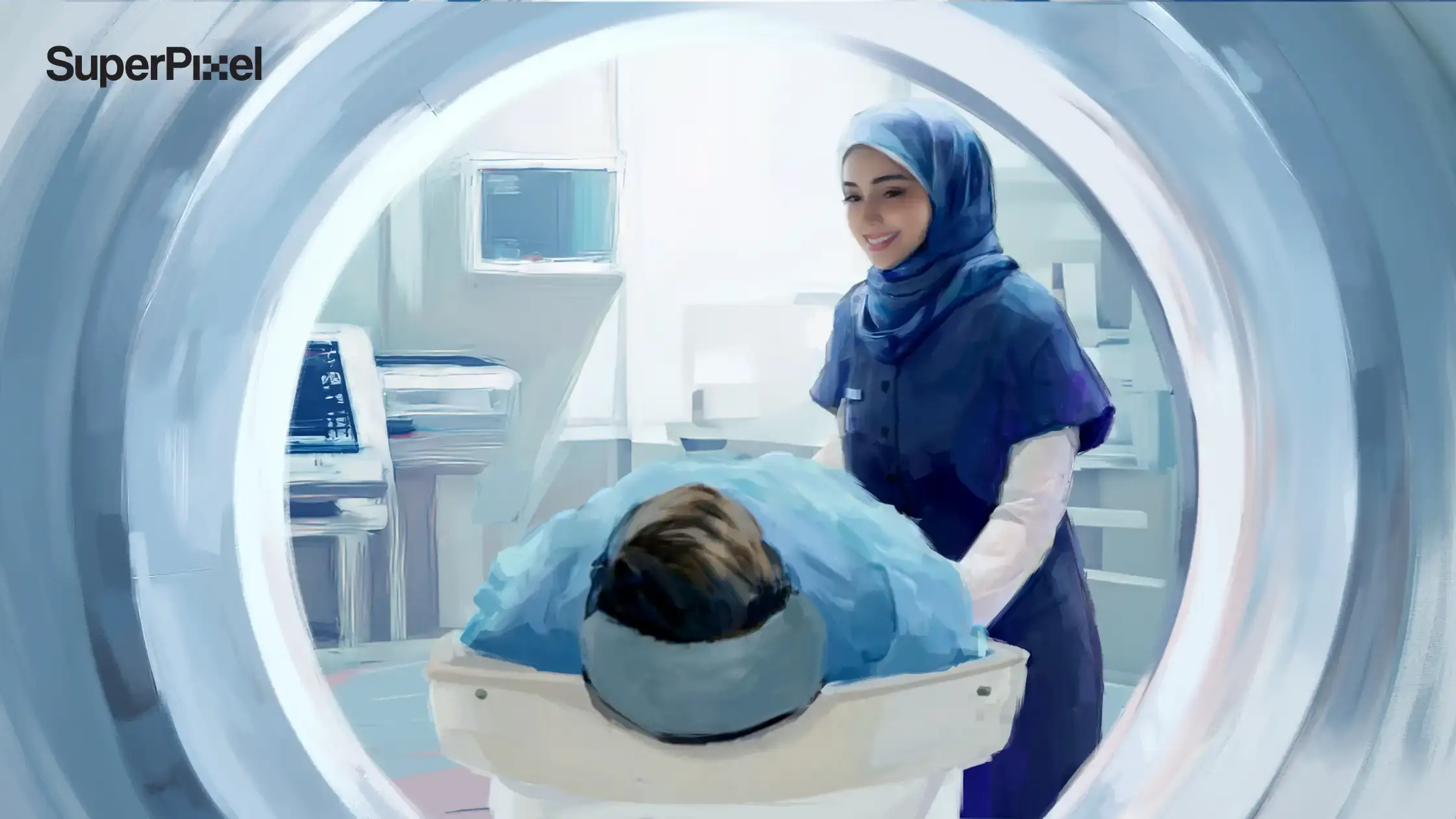
2D medical animation services can help healthcare and pharmaceutical brands explain complex information in a clearer and more accessible way. Medical topics often involve detailed processes, technical products, or scientific concepts that are not always easy to communicate through text or static visuals alone.
This is where animation can make the message easier to follow.
Instead of overwhelming the audience with too much technical detail at once, 2D animation can turn medical concepts into visual stories that support patient education, training materials, awareness campaigns, and medical marketing content without oversimplifying the message.
For healthcare brands, the goal is not just to make the content look more engaging. The bigger purpose is to help people understand the information better, whether they are patients, healthcare professionals, or broader audiences.
What Are 2D Medical Animation Services?
2D medical animation services use illustrated visuals, motion graphics, characters, icons, diagrams, and storytelling to explain complex medical topics.
Unlike static illustrations, 2D animation can show movement, sequence, and change. This makes it useful for explaining how a treatment works, how a medical device functions, or how a patient should follow a care process.
A 2D medical animation can be used by medical companies, pharmaceutical companies, healthcare agencies, medical schools, and medical device manufacturers. It can support patient education videos, medical training, animated explainer videos, product launches, trade shows, and marketing campaigns.
The goal is not just to make the content look beautiful. The goal is to create engaging medical communication that helps the audience understand what matters.
Benefits of 2D Animation for Complex Medical Topics
One of the biggest benefits of 2D animation is clarity.
Medical content often comes with complex concepts, long explanations, and technical language. For healthcare professionals, that may be normal. But for patients, caregivers, investors, or business audiences, it can feel overwhelming.
2D medical animation helps break the message into smaller visual moments. It can show what happens first, what happens next, and why each step matters.
That makes it an ideal solution for simplifying science.
For example, if a healthcare brand needs to explain the nervous system, a treatment pathway, or a medical procedure, animation can guide the viewer through the idea step by step. If a medical device company needs to show how a product works, animation can highlight the function clearly without relying only on text or static diagrams.
It also helps with tone.
Some medical topics need to feel calm and reassuring. Others need to feel precise and professional. With the right animation style, 2D medical animation can speak to different audiences without making the message feel too cold or too complicated.
That can make all the difference.
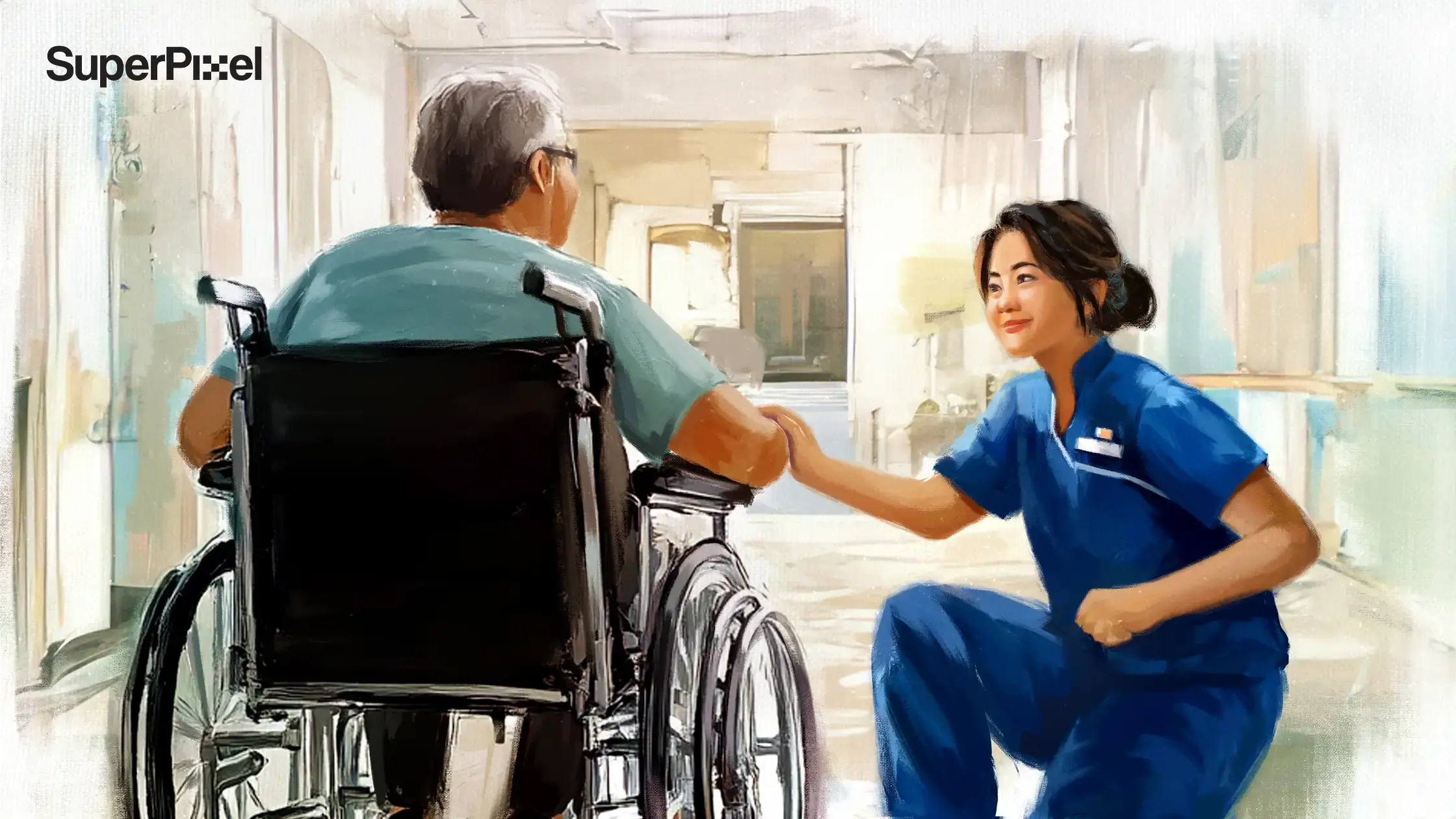
Types of Medical Animation
Medical animation can take many forms depending on the goal, audience, and level of detail needed. Each type helps explain medical topics in a clearer and more visual way.
| Type of Medical Animation | Best Used For | Main Benefit |
|---|---|---|
| Patient Education Videos | Explaining symptoms, diagnosis, treatment steps, pre-operative instructions, or aftercare. | Helps patients and caregivers understand medical information in a softer, clearer, and less overwhelming way. |
| Medical Training Animation | Training healthcare professionals, medical professionals, or medical schools on workflows, safety steps, and procedures. | Makes medical training easier to follow, repeat, and scale across different teams. |
| Medical Device Animation | Showing how a medical device works for product launches, trade shows, sales presentations, or in-clinic displays. | Helps medical device companies explain product functions clearly without relying only on text or static visuals. |
| Scientific Animation | Explaining treatment mechanisms, disease progression, biological processes, or complex scientific concepts. | Turns complex ideas into clear visual stories while still supporting medical accuracy. |
To see how different animation styles can be used for clearer visual storytelling, you can explore SuperPixel’s portfolio and see how we bring complex ideas to life.
2D Medical Animation Process: From Research to Final Delivery
A good animation process matters because medical animation is not just a design project. It needs structure, research, and medical precision.
At SuperPixel, we usually look at a medical animation project through three things: clarity, accuracy, and visual excellence.
1. Discovery and Research
The first step is understanding the message.
Who is the audience? Is the video for patients, healthcare professionals, investors, internal teams, or medical device industries? What should they understand after watching?
This stage also includes collecting references, brand guidelines, product details, and medical information from the client.
2. Scriptwriting and Scientific Storytelling
After research, the information is turned into a script.
This is where scientific storytelling becomes important. The script should not simply copy technical information into a voiceover. It should organize the message in a way that feels natural and easy to follow.
Sometimes, the hardest part is deciding what to simplify.
Good medical communication is not about saying everything. It is about saying the right thing clearly.
3. Storyboard and Animation Style
The storyboard turns the script into scenes.
This is where we decide how each idea will be shown visually. A patient education video may need a soft and friendly animation style. A medical device explainer may need cleaner diagrams and more technical detail.
The right style depends on the audience and the message.
4. Animation Production
During animation production, the visuals start moving.
This includes character movement, icons, diagrams, transitions, and scene animation. The goal is not to animate everything just for the sake of it. The goal is to use motion to make complex topics easier to understand.
5. Sound Design and Final Animation
Sound design, voiceover, music, subtitles, and pacing help shape the final animation.
For healthcare communication, sound should support the message, not distract from it. Once everything is reviewed, the final delivery can be prepared for websites, social media, training platforms, presentations, trade shows, or product launches.
SuperPixel’s Approach to Scientific Accuracy in Medical Animation
At SuperPixel, we see medical animation as more than just making science look good.
The tricky part is this: medical content needs to be simple enough for people to understand, but still accurate enough to be trusted.
That balance matters, especially when we are explaining complex medical concepts, human anatomy, medical procedures, or how a medical device works. If the visuals are too technical, people may lose interest. But if they are too simplified, the message can become misleading.
So our approach usually starts with understanding the science first. What needs to be explained? Who is watching? What should they remember after the video?
From there, we turn the information into clear visual storytelling. We simplify the message, shape the flow, and use animation to guide the audience step by step.
And honestly, that is where 2D medical animation can be really powerful. It helps make complex topics feel less intimidating, while still keeping the message clear, useful, and scientifically responsible.
Because in healthcare communication, clarity is not just a nice bonus.
It is the thing that helps people trust what they are seeing.
2D Medical Animation vs 3D Medical Animation
Both 2D and 3D medical animation are useful. The right choice depends on the message, budget, timeline, and level of detail.
| Format | Best For | Main Strength |
|---|---|---|
| 2D medical animation | Patient education, medical training, awareness campaigns, explainer videos, healthcare marketing | Clear, flexible, approachable, and cost effective |
| 3D medical animation | Human anatomy, surgical procedures, medical device visualization, realistic product demos | Detailed, realistic, and technically precise |
If you need to show a highly detailed surgical procedure or realistic internal anatomy, 3D medical animation may be the better choice.
But if the goal is to explain complex medical concepts in a clear and accessible way, 2D medical animation can be the ideal solution.
Medical Animation Cost: How Much Does a 2D Medical Animation Project Cost?
Medical animation cost depends on the scope of the project.
A short and simple 2D medical animation will usually cost less than a detailed medical device video with multiple scenes, technical diagrams, voiceover, sound design, and several rounds of review.
At SuperPixel, a simple 1-minute 2D animation starts from around $11,000.
| 2D Animation Cost at SuperPixel | Estimated Starting Cost |
|---|---|
| 1-minute simple 2D animation | From $11,000 |
| 2D Animation + AR add-on | From $12,600 |
| 2D Animation + VR add-on | From $13,400 |
| 2D Animation + Interactive add-on | From $14,200 |
| 2D Animation + Immersive add-on | From $15,800 |
The final cost can change depending on script complexity, medical detail, animation style, character animation, voiceover, sound design, review rounds, and final delivery formats.
If the project includes virtual reality, augmented reality, or interactive experiences, the scope will also be different.
For many healthcare brands, 2D animation is a cost effective way to create high quality medical animations without the heavier production scope of 3D.
Comparison of Animation Studios: How to Choose the Right Partner
Not all animation services are the same.
For medical animation services, the right partner should understand both storytelling and science.
| Criteria | What to Look For |
|---|---|
| Scientific understanding | The studio should understand medical references and complex scientific concepts. |
| Storytelling ability | The team should turn complex ideas into clear visual narratives. |
| Medical accuracy | There should be a review process to keep the content scientifically accurate. |
| Visual excellence | The animation should feel polished, clear, and aligned with your brand. |
| Flexible services | The studio should support 2D, 3D, explainer videos, AR, VR, or interactive experiences. |
| Audience understanding | The message should fit patients, healthcare professionals, investors, or internal teams. |
The best medical communication companies are not only good at visuals. They also know how to make complex ideas easier to understand.
Why Work with SuperPixel for 2D Medical Animation Services?
At SuperPixel, we help brands turn complex ideas into visual stories.
We create 2D animation, 3D animation, animated explainer videos, motion design, virtual reality, interactive experiences, and other animation services for brands that need clearer communication.
For healthcare agencies, pharmaceutical companies, medical device companies, and medical companies, this means we can support different needs, from patient education videos to medical training and product launches.
We care about visual excellence, but we also care about clarity.
Because in healthcare communication, the goal is not just to create something impressive. The goal is to create something useful for the audience.

Final Thoughts
Medical stories are not always simple.
Sometimes the science is complex. Sometimes the audience is nervous. Sometimes the product is technical. Sometimes the message is important, but difficult to explain.
That is why 2D medical animation services can be so useful.
They help medical companies, healthcare professionals, and pharmaceutical brands turn complex medical concepts into visual stories that feel clearer and more human.
Good animation does not just make people watch.
It helps them understand.
If your brand needs to explain complex ideas with clarity, warmth, and medical accuracy, SuperPixel can help create 2D medical animation, explainer videos, and custom solutions for your audience.