


Animation is all over the world, there is no escaping this phenomenon. In fact, we see it almost every day, be it on TV, cartoons, videos, phones, and even all over the internet.
The process taken to make these animated videos are not short. It is essential for us to know the process behind animation production when we are creating our own animation or hiring a video production company.
In this blog, we’re going to steep into the world of animation, from its definition, types, and the process behind its production.
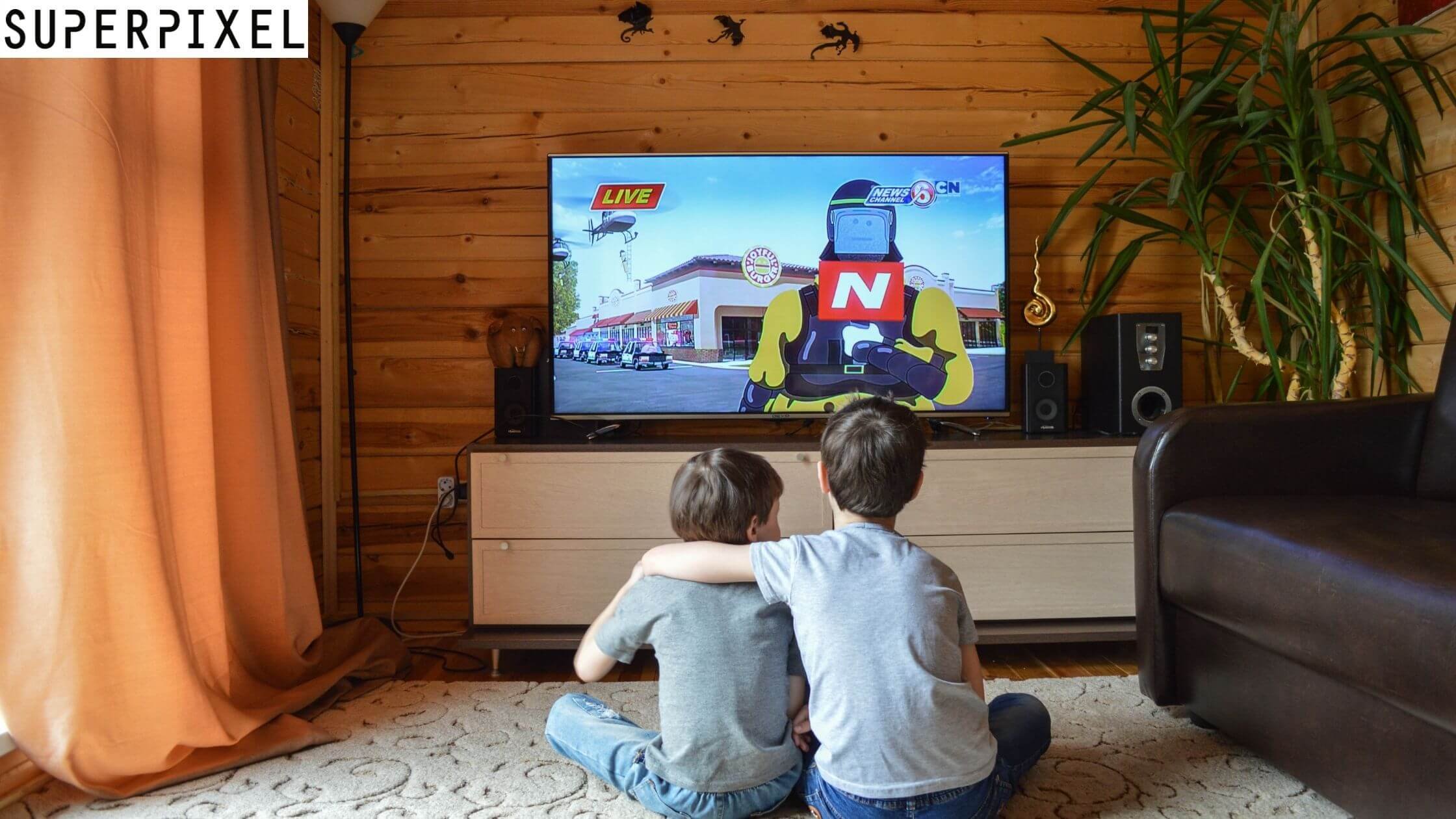
What is Animation?
Animation is a method where a series of still images were being animated into moving images. Still images, such as drawings, models, or puppets, are photographed sequentially, then quickly played one after the other so it looks like it’s alive or moving.
Why Use Animations for Video Marketing?
Smart Insights published new statistics on video marketing in 2020 and highlights that 92% of companies believe that video marketing is growing in importance and should be considered as a part of their strategies.
Videos are a very effective tool to engage users and increase brand awareness, plus creative marketing video may help your brand leaves a lasting impression.
Customers are more likely to pay attention to animation, because besides being informative, animations can also be fun, imaginative, creative and unique.
Animated videos allow people to transmit their messages simply and easily, including corporates’ products which can be complex and hard to understand at first sight.
Types of Animation
1. 2D Animation
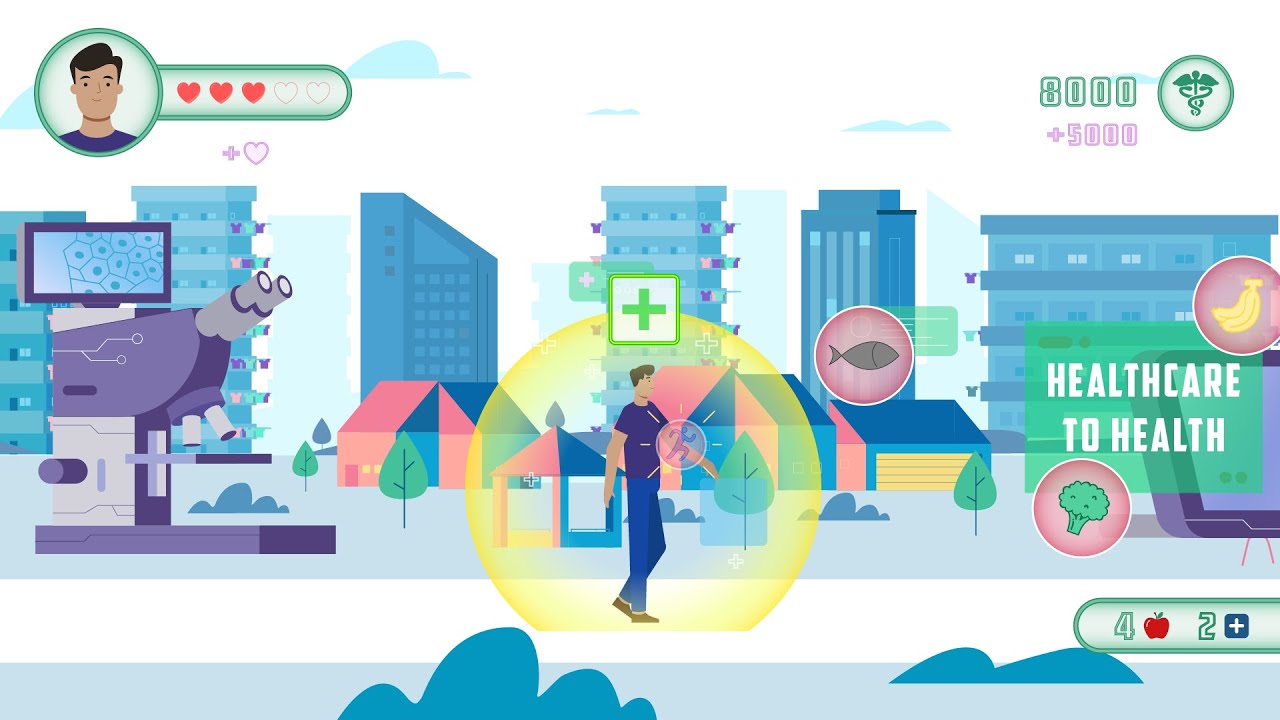
2D Animation is one of the oldest types of animation, or also known as traditional animation. Each frame of 2D animation video is carefully hand drawn on celluloid transparent sheets, which then streamlined over the years with digital software and modern techniques.
Check out Superpixel’s unique project of corporate 2D explainer video for National healthcare Group.
“>
2. 3D Animation
3D animation is a form of animation that relies on digital software to create and manipulate elements, which has become one of the most common types of animation in use.
Superpixel once create an awareness video for health promotion board with 3D and visual effects to tell public that “Antibiotics kill bacteria but do not kill the flu virus”.

“>

“>
3. Stop Motion
A form of animation that manipulates physical objects to create each frames, without drawings or digital elements is the definition of stop motion. Even though it is time consuming, stop motion is suitable for projects on a budget and may create an unique aesthetic effect to your video.
This video uses a combination of 3D animation and some stop motions, check it out!

“>
4. Motion Graphics
Motion graphic is a style of animation that give movement to text, numbers, charts, and symbol to able to entertain the audience visually. Singapore motion graphics companies often create beautiful motion graphics with their advanced technologies.
Check out how Superpixel turned many stacks of document form KAO into a lighthearted explainer video.

“>
5. Infographics
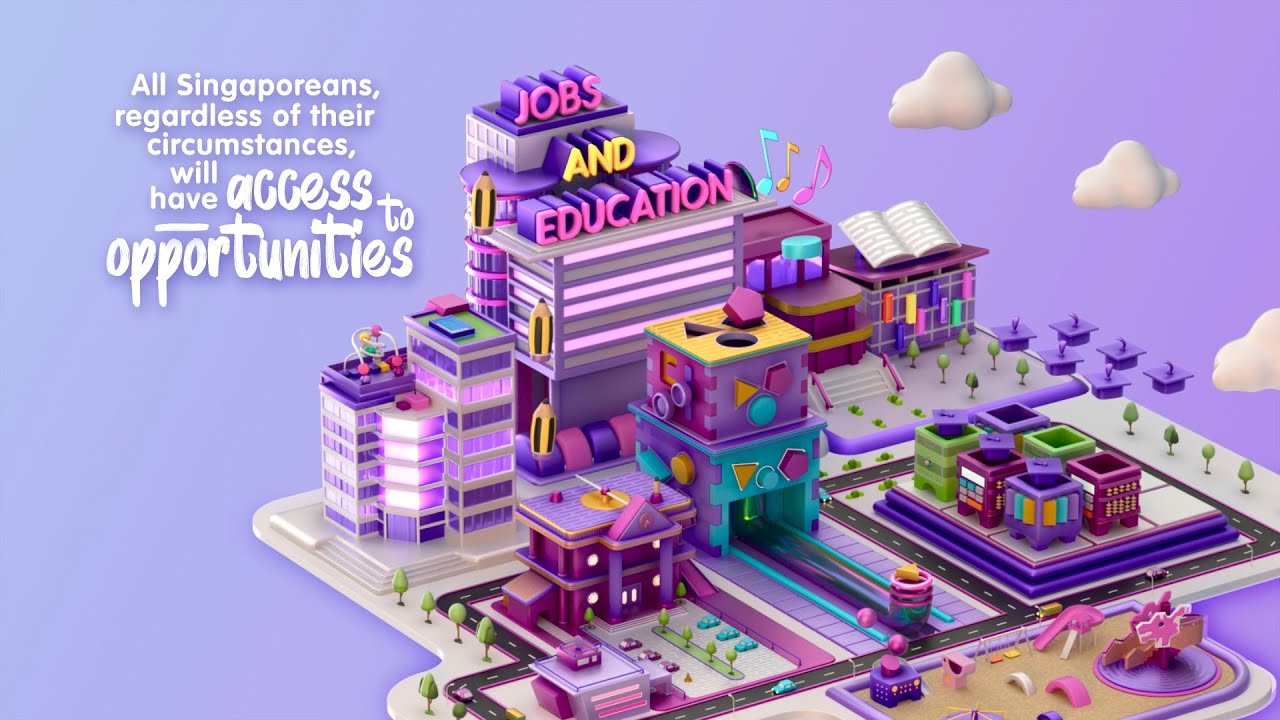
Animated infographics is a type of animation which aim to visualize information in a visually more interesting way. To make it visually more interesting, animators create infographics with visual elements, such as imagery, illustrations, charts, graphs, etc, so audience may understand the information more easily.
Take a look at Superpixel’s 3D animated infographics as a project commissioned by Ministry of Communications and Information.

“>
“>
What is Animation Process?
The 2 dimensional (2D) animation process is a technique or method used by animation companies to create the illusion of movement using still images in 2D space to make a unique 2D animation video. To build these 2D animated videos, video animators may use software like Illustrator, Photoshop, and Adobe After Effects.
Whereas the 3D animation process is the process of creating moving pictures in a 3D digital environment where objects (3D models) are manipulated carefully using a 3D software. With this 3D software, animators then export picture sequences and give the animation based on how the objects are manipulated.
There are three stages to create a 3D animation. The first stage is modelling, the process where 3D objects are created within a scene. Next is layout and animation, the process of positioning and animating objects within a scene. The last stage is rendering, which is the completed computer graphics.
Why is it Essential to know Animation Process?
Being acquainted to your animated video production process will help you to be fully prepared for the steps that’s going to be taken for your animation.
By having the knowledge of your animation process, it may help clients to appreciate the service better and also facilitate the process of collaboration. This also may help editors to manage their clients’ expectations, which then helps clients to achieve what they want and allows animator to have an effective communication with clients.
Superpixel, a Design-driven Animation Studio
Superpixel is a Singapore content creation studio that makes animation for a variety of needs, may it be corporate videos, brand videos, explainer videos, infographics, 3D visualizations, etc.
Superpixel allows their clients to define their brand in any medium of animation, be it a full-fledged 2D, 3D character animated video, or even visual effects. Superpixel help define brands and deliver quality content with creative storytelling and design.
Create Super Content With Superpixel’s 7-Step Process
1. Briefing
To understand the stories completely, Superpixel listens to their client’s objectives, vision, and goals. They go into all the key elements and information needed to create the best video to tell your story, including target audience, deadline, and budget requirements.
2. Scripting
This step is the first major milestone of the project. Superpixel gives freedom to their clients to make or enhance their script on their own or help them if they require collaboration in crafting the message they want to convey to the target audience. Once they’re satisfied with the script and sign off the script, Superpixel then can continue to the next step, which is voice-over recording (if required for the project).
3. Storyboard
In this step, Superpixel creates a storyboard that consists of a number of frames with illustrated sketches to represent each shot or how the video will unfold. This storyboard is also equipped with descriptions of visuals and narration relevant to the scene.
4. Styleframes
Styleframes are an enhanced form of storyboards. Styleframes are fully colored frames that provide the idea of your video’s final look, which indicate the look and feel of each major scene.
5. Filming
Actual filming then can be conducted after necessary preparations have been carried out, such as casts, camera crews, filming location selection, filming equipment preparations, etc. After the footage is filmed, post-production processes then can be conducted in the studio.
6. Editing and Animation
Editing raw footage, applying color correction, filter, graphics, or special effects, or any enhancements necessary to make a perfect video are done in this stage by Superpixel’s talented and creative team.
7. Music, Voice Over, and Sound Effects
Last but not least, to make the video more interesting, Superpixel may help you to match any relevant sound effects or ideal voice to your video, while also adjusting the need to your budget.