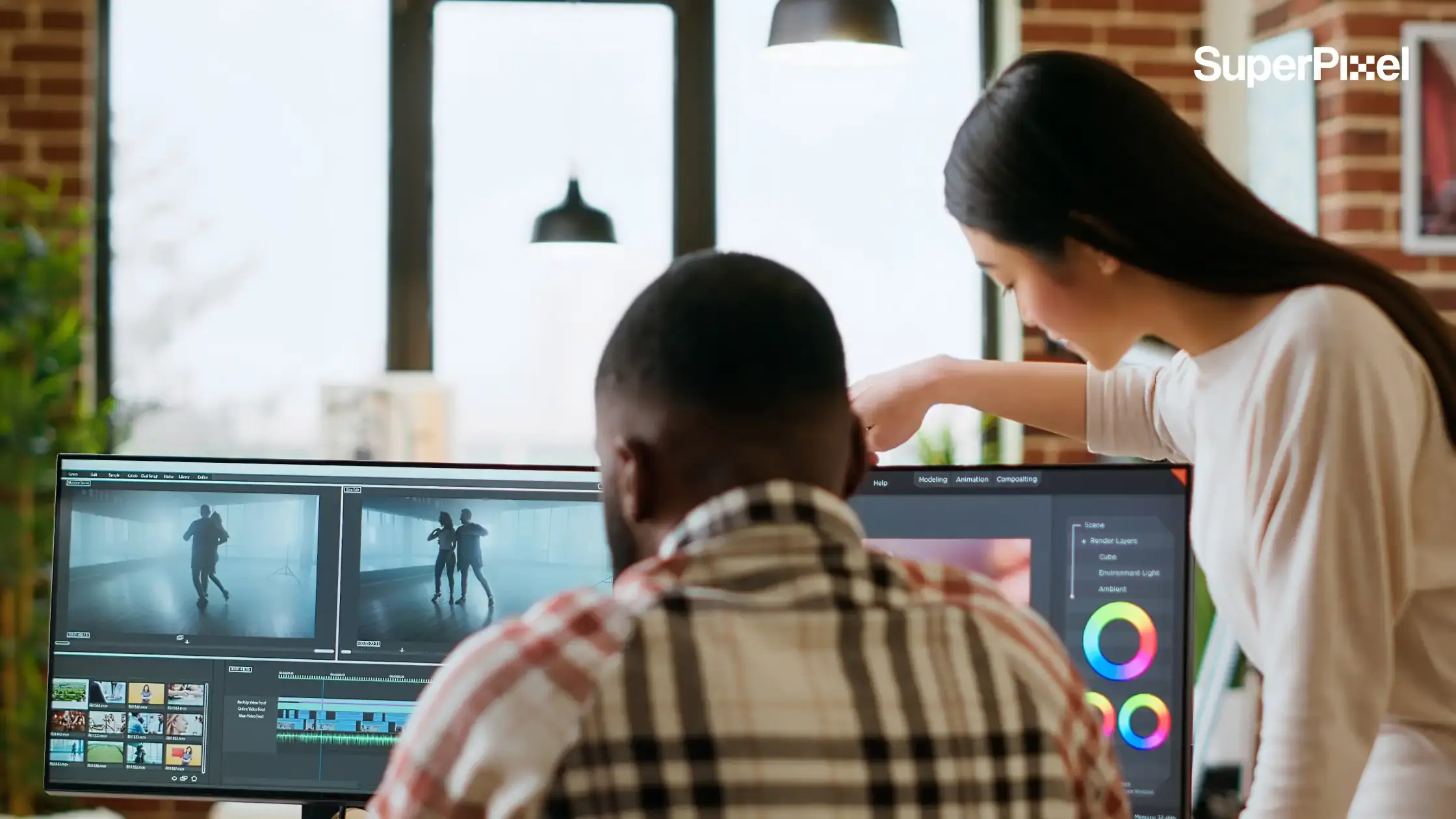
Production design is one of the most important parts of visual storytelling in film. A great plot and story create a good film, but a movie would not feel complete without the visual elements that help viewers become immersed in its world. The scope of these visual elements in a film is called production design.
This is also why production design matters in branded content and video advertising. As an animation studio in Singapore, SuperPixel understands how strong visual direction can help shape a more engaging and memorable story.
In this article, we will discuss production design and why it is such an essential part of the production process.
What is Production Design?
Production design is a team of creatives in production who create the look of a film. This team is responsible to manage the production’s story backdrop. The process is done to ensure that the audience has a grasp and understands when and where things take place in the film.
Production design helps bring the story from the script to life on screen. They help the film to communicate a clear vision that leaves a lasting impression on the audience and conveys the message that the filmmakers are trying to communicate to their viewers.
Also read: Who Is The Best Singapore Production House?

Why is Production Design Important?
One of the primary objectives of a filmmaker is to make the audience understands the message they’re trying to convey through their film.
1. Add Production Value to Your Movie
In the process of making a film, filmmakers will always strive to make their films more believable or reliable. This is where production design comes in and adds value to the films. Production designers help add realistic elements to create reliability within the video.
We can use the advertisement below as an example. This advertisement was made by Superpixel, an animation company based in Singapore.
We were tasked to create a realistic CGI of the Aedes Mosquito for NEA’s Do the Mozzie Wipeout Campaign 2019. Even within a very tight timeline, you can see how cool the visual effects are made to look very realistic within the project.
2. Increase Credibility and Trust in Your Film
Production design helps craft the real world into a film. With the help of production design, the scenes brought into the screen will be more trustworthy and viewers may perceive them as being real.
We can have ‘The Titanic‘ movie as an example. The movie itself accurately depicts the way the Titanic ship looked.
We can also see the details that the production designer is trying to make, such as the type of clothing the guests on the boat would wear and the way they talk or the type of language they would use.
Besides that, the props and sets all accordingly depict all the scenes that help viewers to be immersed in those scenes.
3. Create a New, Unique, and Aesthetic Worlds
A design creates something in a way that appeals to its viewer who will look at it aesthetically. A good design should be both aesthetically pleasing and functional simultaneously.
But there is one thing that will typically influence the design decision, and that is the genre of the production.
The director’s vision and the producer’s desire in our animation services in Singapore for the finished product may also affect the design.
This is why collaborations between production designers and directors are very important because they both have the strongest visual senses in the production process. By having a good partnership, they will be able to create new and aesthetic worlds of the film.
Also read: SFX Meaning and All You Need To Know About Special Effects
Film Elements Defined by Production Design
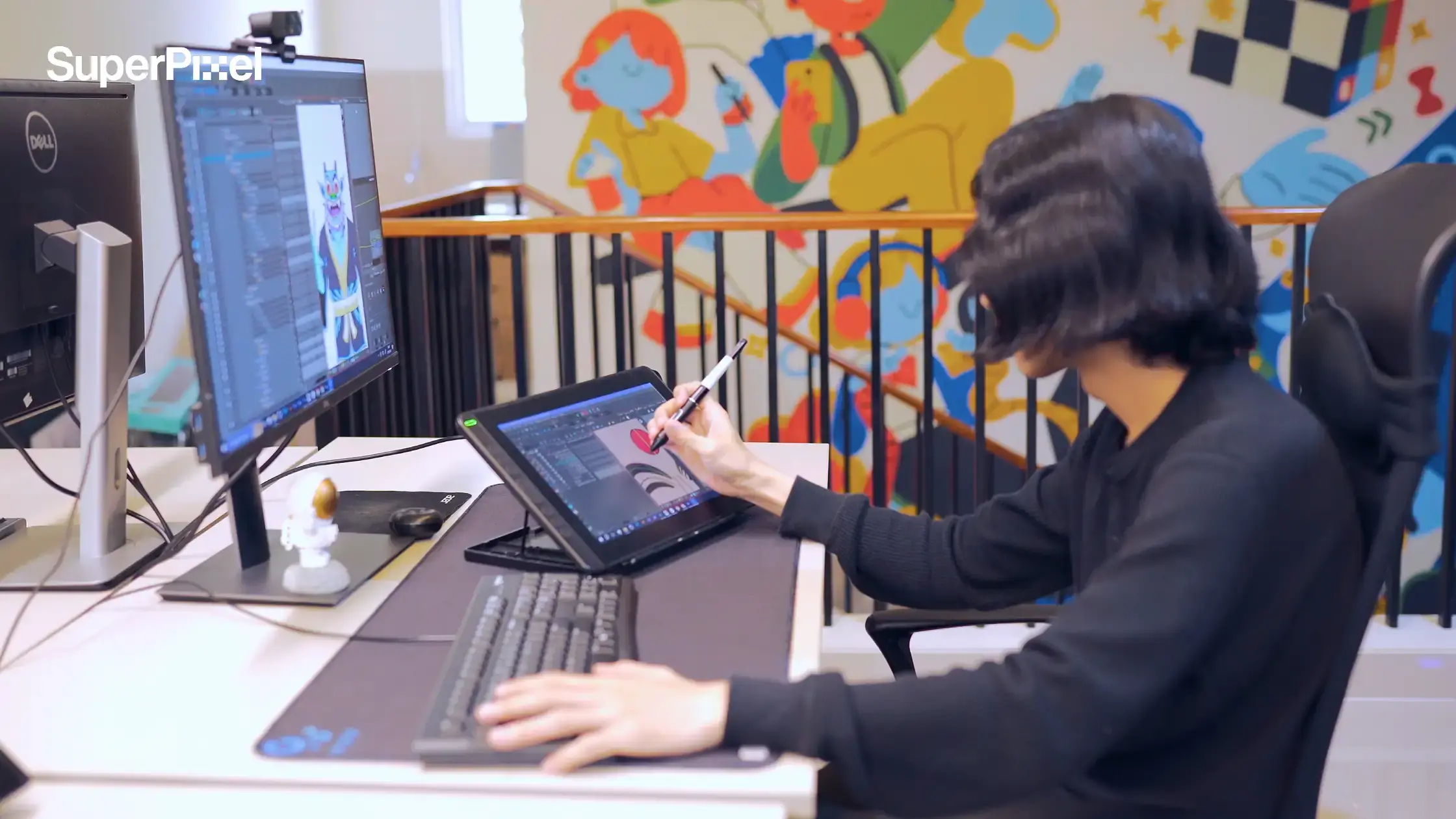
In a film, we can see there are a lot of details that filmmakers need to focus on, especially the details in cinematography and editing. But those are not the only details that filmmakers need to focus on. Elements like costumes, makeup, set decoration, etc are also some of the elements that you need to pay attention to in your filmmaking process.
To pay attention to those details, production designers need to highlight some elements of the film to elevate the story of your film. Below are the three elements a production designer communicates into a film.
1. Mood
Production design can be defined as a way to communicate how the scene of a film is supposed to ‘feel’. Production design elements help the film to communicate the mood of a scene by defining it using their elements, including props, sets, makeup, etc.
2. Character
Besides defining the mood of the scenes in a film, production design elements also define the characters in a film.
Production design helps filmmakers describe their characters using visual elements, which are parts of production design. With production design, characters in a film are defined by the spaces they occupy or the props they are using.
For example, the character’s home, office, car, or any other sets will help the viewer understand what the characters do or what their roles are in the film.
3. Theme
Lines of subtext in your characters’ dialogue may not be able to be transferred effectively to the audience, which then may cause misunderstanding of the audience. This is why directors need to work with the production designer to highlight their story’s themes.
Consider the key themes of your project, then discuss them with the production designer and let them enlighten you with how set decor and props can help you deliver your messages better to the audiences.
What Does A Production Designer Do?
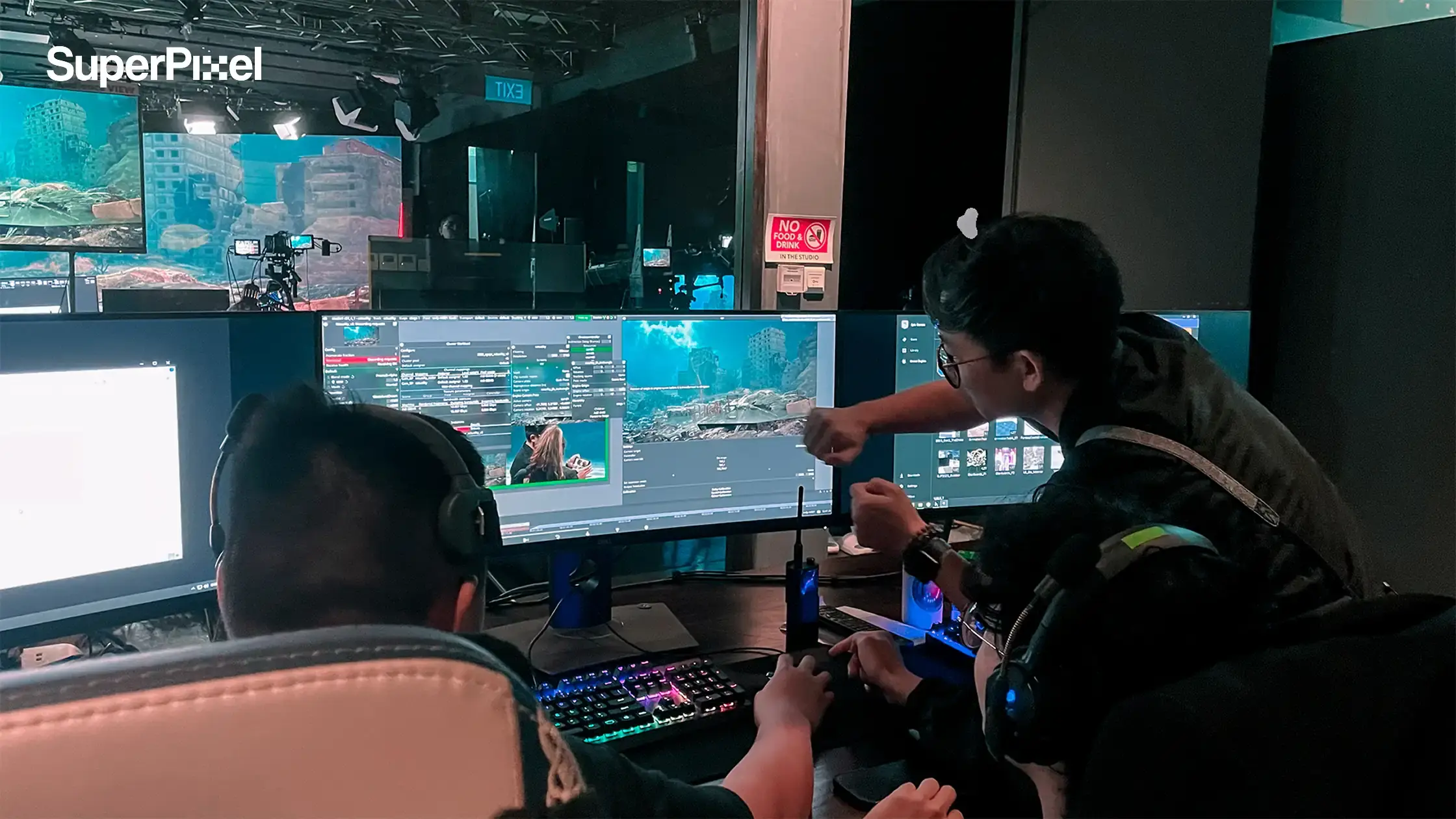
The responsibility of product designers is to oversee the overall look and feel of film production. By working together in a team, production designers are responsible for creating the props, graphics, and sets that are needed in production.
Production designers manage the backdrop of the production’s story and help ensure the audience has a grasp of when and where things are taking place in the film. The production designer is assigned to decide about every object, prop, or element that is created or used in the film.
They also manage the department that scouts filming or production locations. Production designers create a unified look and feel for a film by working closely with the directors and cinematographers. By working together, these people visually represent the story appealingly and help viewers to have a better understanding of the film.
Production designers work directly with the director, cinematographer, and producer.
The production designer must work closely with the director and cinematographer to ensure the design fits the intended shot composition and visual language.
This is an important part of the role because production design is not only about making things look good. It also has to support how the film is shot, how scenes are framed, and how the overall story is visually communicated to the audience.
Production designers typically assign filming locations for various scenes or the entirety of a film.
Production designers often oversee or manage the budget for visual design.
These responsibilities show that production designers are involved in both the creative and practical sides of production. They help shape the visual world of the film while also making sure the design can realistically be executed within the project’s resources.
Besides a production designer, a production design team consists of several creative members, such as:
- Art Director – in charge of the draftsmen, storyboards, artists, and set decorators
- Concept Artist – also known as production illustrator, who creates the initial sketches and designs alongside the product designer and art director
- VFX Coordinator – make sure the CGI elements and the practical set match each other
- Costume Designer – develop the look of the characters alongside AD
- Set Decorator – researches and develops the look of the set, and obtains items to put on the set
- Set Dresser – lay out the items from the set decorator and make sure the continuity between scenes
- Makeup Artist – in charge of all makeup aspects of the production
Production designers typically conduct background checks, participate in interviews, and create job posts for hiring art and design staff.
This shows that the role can extend beyond design execution itself. In larger productions, production designers may also help build the team needed to bring the creative vision to life, making sure the right people are involved at every stage of the process.
Also read: What Is VFX? All You Need To Know About Visual Effects
Good Production Design Process
There are three-part of processes to be done in the process of a production design:
1. Concept
The first step of a product design is determining the initial visual style of the production. This process encompasses reading scripts, meeting with the cinematographer and directors, and visually representing ideas.
Production designers develop the visual design concept based on the script and generate breakdowns and budgeting for the art department.
The production designer might need to research the best concept illustrations and mock-ups, including the set architecture, costumes, props, makeup, and VFX design.
Production designers create prototypes, which may include sketching, making models, and creating mood boards after the project’s style and tone are decided.
These things might need to be produced and sent to the director and producer to get their approval to go on to the next step of the design.
This stage is important because it helps shape the visual direction of the project from the very beginning. Before anything is built, the team needs to understand the tone, look, and creative requirements of the production.
2. Planning
After their concept designs are approved, production designers can only move into the planning stage. For this step, the production design team will conduct additional research on locations for the set, create blueprints for set construction, and develop budgets and property lists for each scene.
Production designers scout locations and find out what materials they’ll need for the production.
Production designers typically manage the budget for visual design, including labor, materials, tools, and set location budgets.
The product design team needs to ensure the set has the most appropriate location and make sure the budgets being used don’t go beyond the funding they have.
Sets must allow for actors’ movements, scene changes, and safety standards.
This planning stage helps make sure the design is not only visually strong, but also practical. A good set must support filming needs, actor movement, technical requirements, and the overall safety of the production.
3. Fabrication
The actual fabrication of the design can take place after the designs that have been made are approved and plans are finalized. This step is when the production design team makes the story come alive.
Construction and procurement of items are done in this step, and also the start for each part of the team, including the set decorator, dresser, costume designer, and makeup artist to develop their parts and tasks.
Production designers delegate roles to the art department, who then starts the process of assembling the sets of the film.
After the process above is finished, the cast, crew, and director can begin filming.
Production designers remain available throughout production in case any last-minute changes need to be made.
This is because production design does not completely stop once filming begins. The team often still needs to make adjustments on set to support creative changes, technical needs, or unexpected production challenges.
Elements of Production Design
Production design is not only about making a film look visually appealing. It is also about building a world that feels believable, emotionally engaging, and consistent with the story being told.
When done well, production design shapes the visual identity of a project and supports stronger visual storytelling. From the film set and costumes to props and special effects, each element contributes to the overall aesthetic and helps the audience understand the world of the narrative more clearly.
1. Production Design as a Visual Language
Production design is the intersection of art, architecture, and narrative, using space, lines, shapes, colors, and patterns to form a distinct visual language.
This is what makes production design such an important part of filmmaking. It does not only decorate the screen, but also communicates visual information that helps the audience understand the tone, world, and meaning behind a story.
2. Set Design and the Physical World of the Story
Set design is one of the most crucial elements of production design, involving the design and construction of the physical environment for the film or TV show.
A strong set design helps design sets that feel appropriate for the story’s time period, location, and emotional tone. It also gives clues about the characters, including their lifestyle and even their social status, through the spaces they occupy and all the objects placed around them.
3. Costumes and Character Consistency
Costumes are part of a production designer’s responsibilities, ensuring they are authentic and consistent with the narrative’s world.
Costumes do more than dress a character. They support the story visually and help define who a character is, where they come from, and how they fit into the world of the film. This is one of the reasons good production design often feels more immersive and memorable.
4. Visual Design and Special Effects
Special and visual effects are often used in production design to enhance the story and reinforce the visual elements of the film.
When used carefully, special effects can enhance the visual world without overpowering it. They help strengthen the realism or stylisation of a scene, whether the production is made for film, branded content, television, or other forms of media.
5. Mood, Tone, and Atmosphere
Production design influences the mood, tone, and atmosphere of a film, helping to tell the story in a compelling way.
This is why great production design is so effective. It helps the audience feel the emotional weight of a scene before a single line of dialogue is spoken. Even in a low budget production, thoughtful design choices can still create a strong atmosphere and leave a lasting impression.
Conclusion
Great production design does more than make content look good. It helps shape the visual identity of a story, strengthens audience engagement, and makes the final production feel more believable and memorable.
That is why strong visual design matters in branded content, advertising, and other forms of business communication. When the visual elements are handled well, your message becomes easier to understand and much more effective.
If you are ready to create visually engaging content for your brand, get in touch with SuperPixel Singapore. Our team can help you turn ideas into compelling visual productions that connect with your audience.
Contact us today to start your next project!