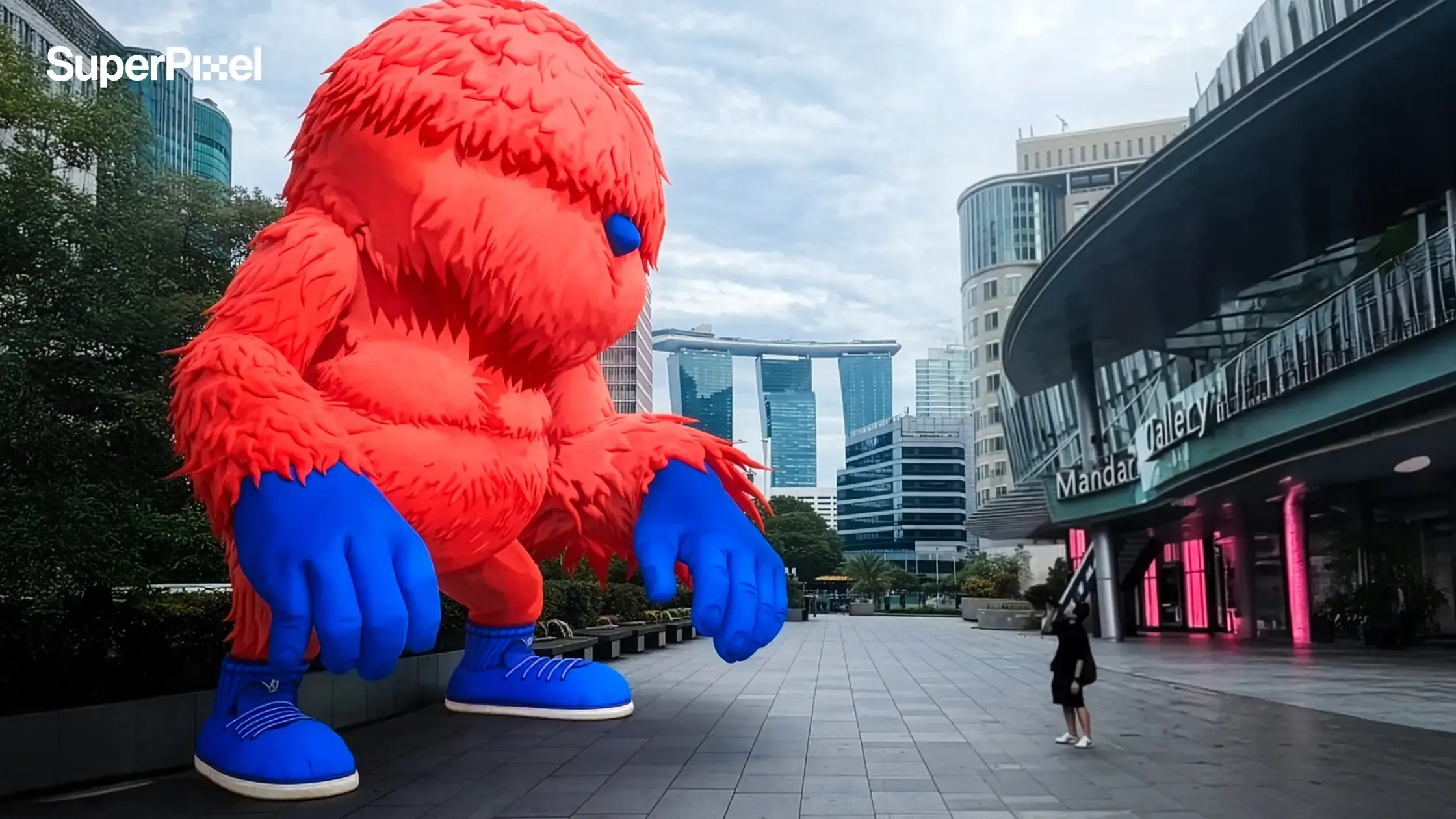
Today’s audience moves fast. They scroll, skip, compare, and decide within the first few seconds.
That is why brands need more than a good-looking video. They need a story that helps people understand what the brand stands for, why it matters, and why they should care.
Video storytelling is a naturally engaging video format because it brings message, visuals, sound, pacing, and emotion together in one experience.
For businesses, this can support different goals: increasing brand awareness, reaching potential customers, building trust, or encouraging people to take action.
Key Takeaways
- Video storytelling helps brands communicate with more clarity and emotional appeal.
- A strong brand video should start with audience understanding, not visual style.
- The message should be simple enough for viewers to remember after watching.
- Visuals, sound effects, characters, and pacing should move the story forward.
- The best video storytelling partner should help shape the narrative arc before production starts.

What is video storytelling?
Video storytelling is the use of narrative, visuals, sound, and motion to communicate a brand message.
For businesses, it can introduce a product, explain a service, share a campaign message, or show what a brand believes in.
The goal is not just to make the video look beautiful. The goal is to tell a story that helps the audience feel something, understand something, or remember something.
That is what makes video storytelling different from a simple sales pitch. A sales pitch tells people what to buy. A story helps people understand why it matters.
Bisa, Alma. Ini versi yang sudah aku tambahkan keyword-nya secara natural, tanpa bikin penjelasannya jadi terlalu panjang.

Video storytelling case studies from SuperPixel
The strongest brand stories do not always need a big conflict. Sometimes, they come from small human moments that create an emotional connection and make people feel seen, helped, and remembered.
For Changi Airport’s Magic in Transit stories, the focus was not only on travel. It was about care, timing, and the human element behind a world-class airport experience. This is what makes video content powerful: it can hold the audience’s attention while delivering the message effectively through story, scene, dialogue, sound, and background music.
One of the animated videos created by SuperPixel for Changi Airport reached 15 million views within two months of its release on YouTube.
It is a strong reminder that video storytelling works best when the story feels human, clear, and emotionally easy to follow.
Case Study 1: Where weary hearts found rest once more
In “Magic in Transit: Where weary hearts found rest once more,” the story follows a tired father and son who arrive at Changi Airport, only to realise their hotel is located in the city instead of inside the airport. With an early flight the next morning, the situation quickly becomes stressful and confusing.
The emotional appeal comes from SGT Nurliza, an airport officer who notices their pain points and chooses to help even when she is about to take a break. By helping them find a transit hotel, the story turns a difficult travel moment into a satisfying solution and leaves a lasting impression.
Case Study 2: A dream vacation brought back to life
In “Magic in Transit: A dream vacation brought back to life,” the story begins with conflict. A couple arrives at the airport excited for their dream trip to Greece, only to find that the check-in counter has already closed.
The story moves forward through Eric, a Changi Airport staff member who helps rearrange their travel plans and turns the waiting time into something memorable. In the world of brand film and explainer videos, this is what a good story often does: it keeps the audience engaged by showing how a problem can become a meaningful experience.
Case Study 3: The feeling of home at Changi Airport
In “Magic in Transit: The feeling of home at Changi Airport,” the story follows a mother and son from Myanmar whose journey is interrupted by a visa issue. The conflict is emotional because the mother feels helpless while trying to continue their trip.
Ni Win, a Changi Airport staff member, helps them through the visa process and checks on them while they wait. The most personal moment comes when she prepares Myanmar food for them, bringing a sense of home into an unfamiliar situation.
This is a strong example of how brands can create videos using simple storytelling frameworks. The goal is not to overcomplicate the message, but to create a relatable story with enough emotion, clarity, and humanity to make people remember it.
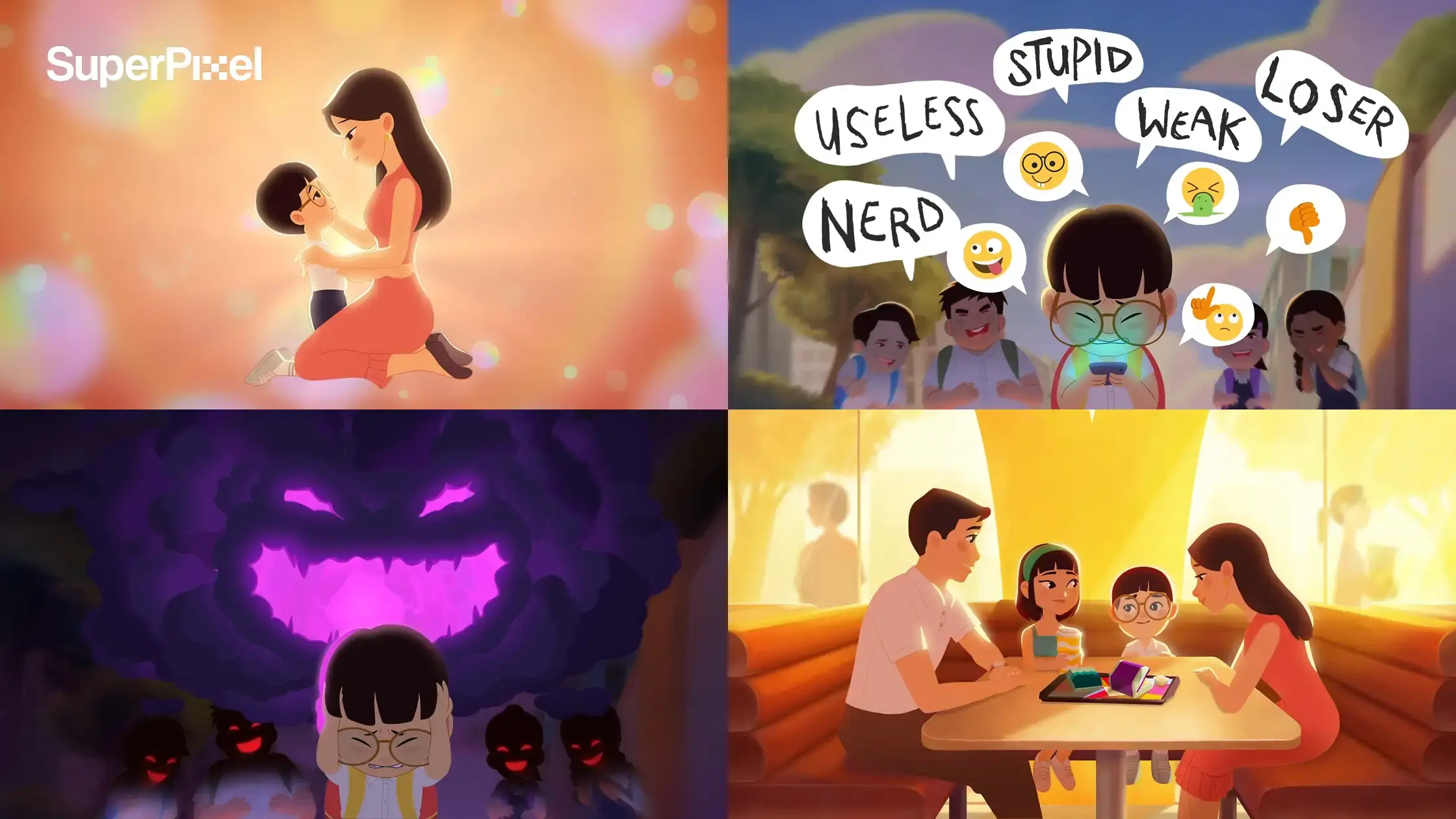
Why video storytelling works for brands
People often remember stories more easily than plain information.
A good video can turn a product benefit, company value, or campaign message into engaging content that feels easier to follow.
This is especially useful when the message is emotional, educational, or difficult to explain with words alone.
For example, when SuperPixel worked with Singapore’s Health Promotion Board, the goal was to inform the public about the proper use of antibiotics. Instead of relying only on facts, the story used 3D animation and a character mascot named “Antibiotic Boy” to make the message easier to understand and remember.
That is the value of relatable narrative based content. It can take a serious or technical message and make it feel clear, human, and accessible.

Video storytelling basics: what brands should decide first
Before production starts, the brand needs to understand the storytelling basics.
A strong video story does not begin with animation style, camera angles, or raw footage. It begins with decisions.
| What to decide | Why it matters |
|---|---|
| Target audience | Helps shape the tone, pacing, visuals, and level of explanation. |
| Core message | Keeps the video focused on one clear idea. |
| Compelling hook | Helps capture attention in the first few seconds. |
| Story arc | Gives the video a beginning, middle, and end. |
| Conflict | Shows the problem, tension, or challenge the audience can relate to. |
| Satisfying solution | Helps the viewer understand the value of the brand, product, or campaign. |
| Clear call | Guides the viewer toward the next step. |
| Final platform | Helps adapt the video for different platforms such as website, social media, or youtube. |
The clearer these decisions are, the stronger the first storyboard usually becomes.
Without them, the video may look polished but still feel unclear.
A step by step guide to building a stronger story
A strong storytelling video needs a clear structure:
- Start with a compelling hook so viewers have a reason to keep watching.
- The first 5 seconds of a video should capture attention immediately with a bold statement, surprising fact, or intriguing question.
- Build the scene around a problem, tension, or conflict your audience understands.
- A strong video narrative should include a clear conflict that represents a problem the audience faces, which keeps viewers engaged and curious about the resolution.
- Show the satisfying solution your brand, product, or campaign can offer.
- End with a clear call so viewers know what to do next.
- Videos optimized for mobile should be in vertical format and fill the entire screen.
- Using interactive elements such as polls or questions can encourage viewer participation in videos.
- Using emotional triggers, such as slow motion or exaggerated facial expressions, can help the audience internalize the emotions of the scene in video storytelling.
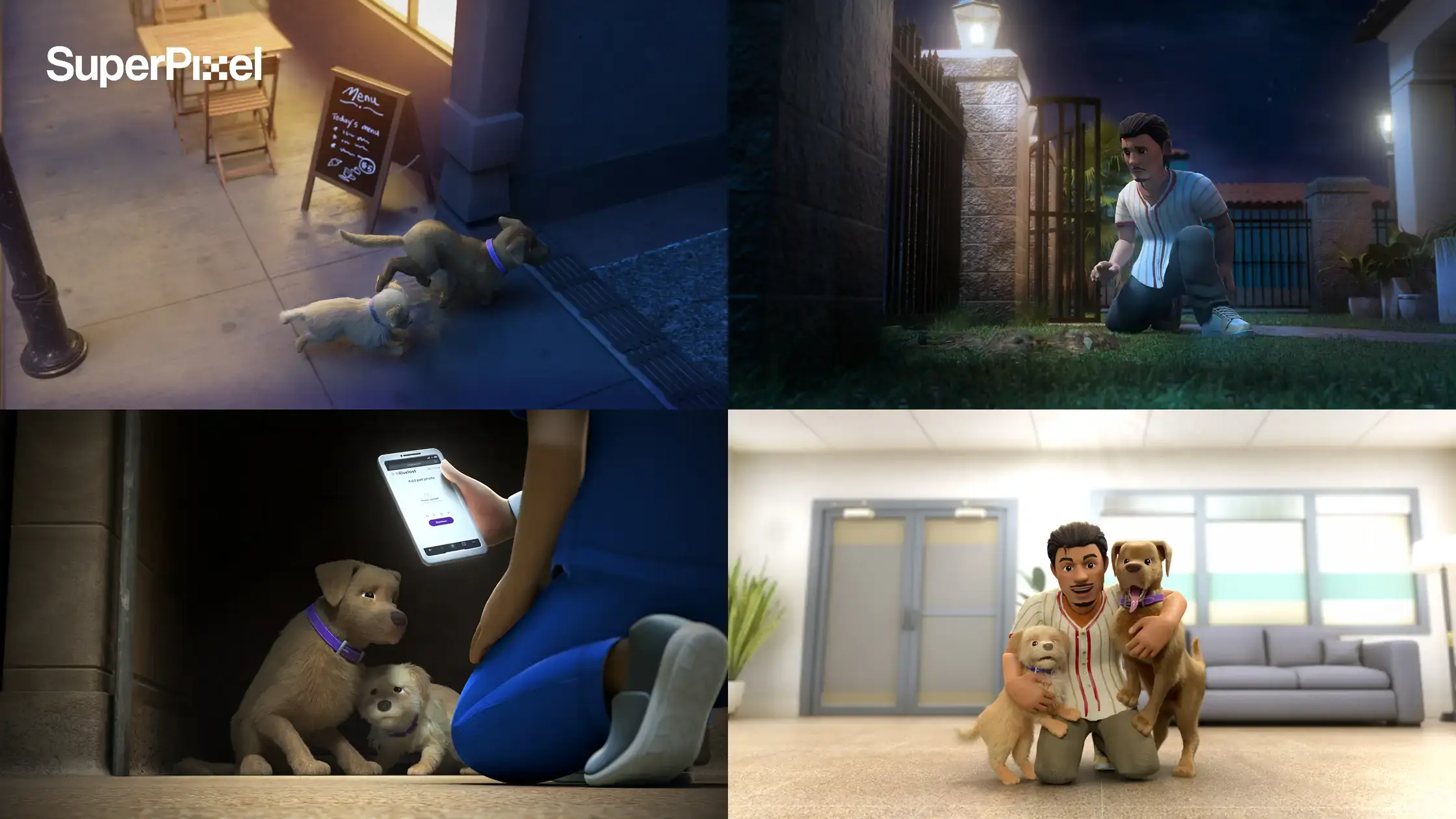
Video storytelling techniques that help brands connect
There are many ways to shape a storytelling video, but most strong brand videos rely on a few core techniques.
| Technique | How it helps |
|---|---|
| Show, don’t tell | Uses visuals, actions, and movement to explain the message instead of relying only on text. |
| Use emotion carefully | Helps convey emotions and make the story feel more human. |
| Add a human element | Makes the brand easier to relate to on a more personal level. |
| Use social proof | Shows that real people, customers, or communities trust the brand. |
| Keep it short and simple | Makes the message easier to follow, especially for digital audiences. |
| Make it shareable | Helps the story travel further across social media and digital platforms. |
| Measure the impact | Shows whether the video is driving views, engagement, conversions, or brand recall. |
The goal is not to use every technique at once. The goal is to choose the techniques that fit the message.
Choosing the right format for your brand story
Not every story needs the same kind of video.
Some messages work best through 2D animation because the idea needs to be simple and clear. Others need 3D animation because the subject involves space, product details, or visual depth.
Live action can work well when the story needs real people, real places, or natural emotion. Mixed media can work when the video needs to combine footage, typography, illustration, and motion graphics.
Long form videos may work better when the audience needs more context, education, or trust-building. Shorter videos work better when the goal is quick awareness, social engagement, or campaign recall.
The format should follow the story, not the other way around.
A good video storytelling partner should help you choose the format that supports the message best.
Why visuals, sound, and pacing matter
Visuals are not just there to make the video look attractive.
They help guide attention. They show what matters first. They make abstract ideas easier to understand.
Camera angles also shape how the audience feels. Wide shots can show scale, setting, and context, while close ups can make a moment feel more emotional and personal.
Sound matters too. Music, sound effects, voiceover, and audio levels all affect the mood of the video.
When the visuals and sound work together, the video has more impact.
When they do not, the audience may remember the style but miss the message.
How video storytelling supports marketing goals
Video storytelling is not only an art form. It is also a marketing tactic.
It helps brands turn information into stories that feel easier to watch, easier to understand, and easier to remember.
For potential customers, a strong narrative can make a product or service feel more relevant to their life, problem, or goal.
For brands, telling stories through video can support awareness, engagement, trust, and conversion.
That is why video storytelling should not be treated as decoration. It should be built around the message, audience, and business objective from the start.

SuperPixel as your visual storytelling partner
At SuperPixel, we help brands turn ideas into clear and engaging visual stories.
Whether the brief calls for 2D animation, 3D animation, corporate videos, infographics, explainers, social content, or campaign visuals, our role is to make the message easier to understand and more memorable for the audience.
We work across pre-production, story development, visual direction, animation, and post-production. That means the story is shaped before the expensive part of production begins.
For brands, this matters because a good video should not only look polished. It should communicate with purpose.
If your brand needs to explain a complex idea, build awareness, or connect with viewers in a more meaningful way, SuperPixel can help bring your story to life through animation and video storytelling.