Immersive experience Singapore briefs usually come with big ambition. The brand wants something memorable, the event team wants traffic, the marketing team wants engagement, and everyone wants the audience to walk away impressed.
But here is the part many teams underestimate: people do not remember everything.
At a MICE booth, activation, attraction, or public installation, audiences may only give you a few seconds. If the message is too packed, even the most beautiful projection, virtual reality setup, or interactive wall can become noise.
From what we have seen at SuperPixel since 2016, immersive work performs best when the message is sharp before the visuals become big. Scale can pull people in, but clarity is what helps them stay, understand, and remember.
Key Takeaways:
- In Singapore, immersive experiences can serve very different jobs across MICE, retail, tourism, and public communication.
- The first production decision is usually subtraction, not addition.
- A larger screen, more space, or virtual reality will not rescue an overloaded message.
- Format choice should follow audience behaviour, not hardware excitement.
- Good production can sharpen recall and next actions, but it cannot resolve an undecided business strategy on its own.
What an Immersive Experience in Singapore Can Do for a Brand or Event
Singapore already gives audiences strong reference points. teamLab Future World at ArtScience Museum blends art, science, technology, and visitor interaction, while places like Bird Paradise and Gardens by the Bay show how immersive environments can also come from nature, habitat design, and spatial storytelling.
Immersive Formats for MICE, Retail, Attractions, and Public Campaigns
For a MICE booth, immersive content needs to work fast. Visitors are walking, comparing brands, and deciding within seconds whether to stop. The format should help them understand the message quickly, not make them work harder to figure it out.
For retail, attractions, or public-facing campaigns, the goal may be slower engagement. Bird Paradise features ten immersive, walk-through, habitat-themed aviaries. Gardens by the Bay offers an immersive experience in nature, featuring the Cloud Forest and Flower Dome. These references show how immersive design can shape movement, mood, and memory, not just visual impact.
The Difference Between a Crowd-Puller and a Message-Led Experience
A crowd-puller gets people to look. A message-led experience helps them leave with the right idea still intact. This matters because traffic alone is not the same as brand impact.
A large screen, virtual reality setup, projection mapping moment, or interactive wall can create attention. But if people cannot explain what they just experienced, the brand message has probably been lost. For agencies and brand teams, the real goal is not just to impress people in the moment, but to help them remember the concept after the event.
Singapore’s Event Landscape Makes Immersive Work Relevant
Singapore is a strong market for immersive work because people are already familiar with high-quality experiences across museums, attractions, events, retail spaces, and public installations. Audiences have seen how art, science, technology, and nature can be combined into memorable environments.
Several major immersive events and new venues are currently active or have recently launched. For marketers, this means the opportunity is bigger, but the benchmark is also higher. A brand experience in Singapore needs a clear idea, smooth visitor flow, and a strong emotional reason for people to stay, interact, and remember.
How SuperPixel Turns Immersive Ideas Into Brand Experiences
To make this more practical, here are a few SuperPixel projects that show how immersive work can take different forms. Some are built for public interaction, some for celebration, and some for instant visual impact.
The format changes, but the principle stays the same: the experience must be easy to enter, easy to understand, and strong enough to remember after the moment is over.
Case Study 1: Pokémon Happy Holidays at Suntec City
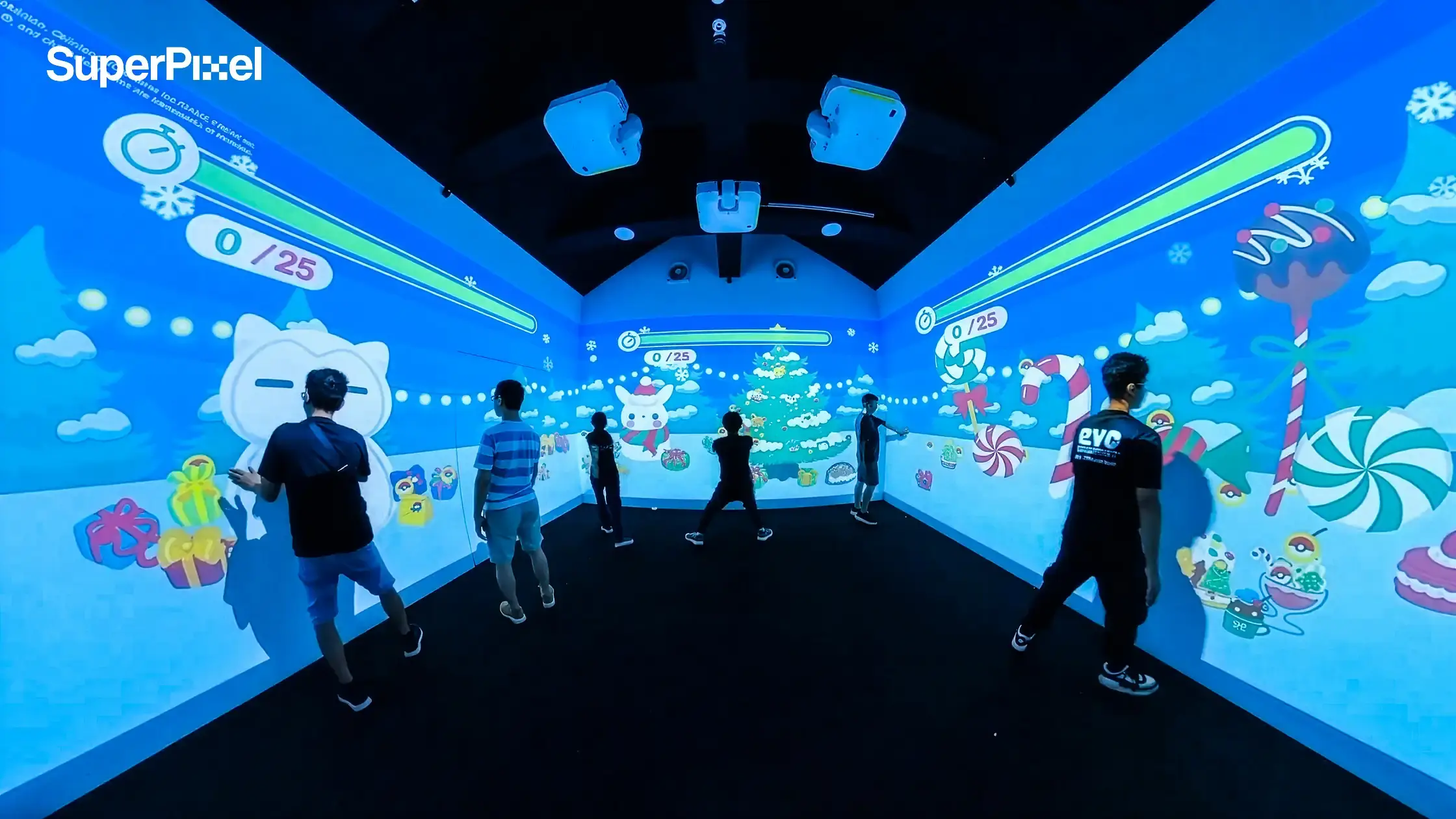
For Pokémon Happy Holidays, we created an interactive XR experience located at Suntec City, Singapore. The concept was simple: bring visitors into a snowy Pokémon forest where imagination, touch, and wonder could create unforgettable memories.
Using interactive wall mapping, 3D motion graphics, and sensor-based technology, visitors could step closer, touch the screen, and trigger small discoveries. For public experiences like this, clarity matters. Visitors should know what to expect, how to interact, and how to enjoy it without confusing other customers.
Case Study 2: Prudential Star Club Gala Projection Mapping
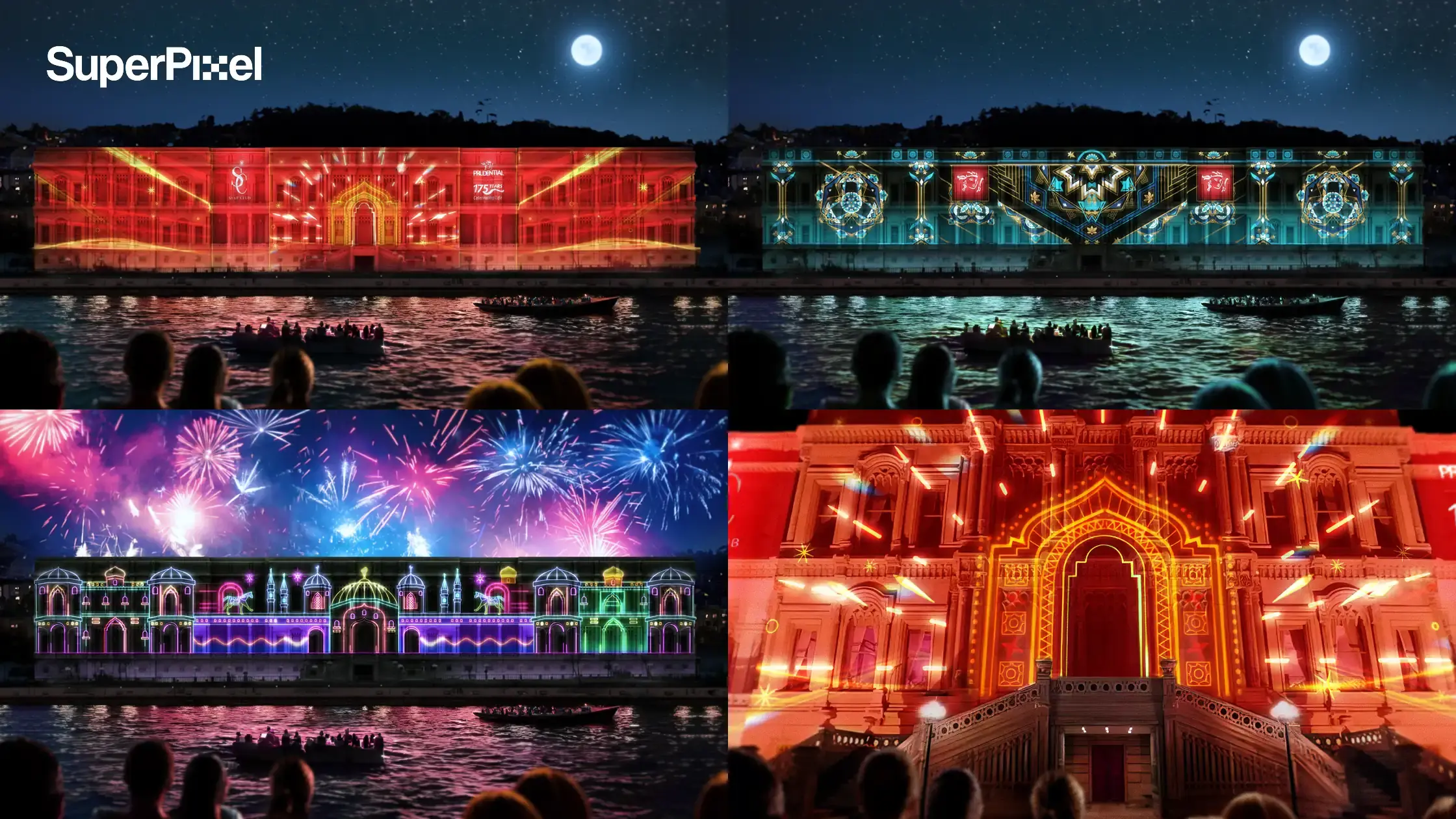
For Prudential Star Club Gala, we worked with MCI to transform Çırağan Palace Kempinski into a projection mapping experience. The goal was not just decoration, but a meaningful celebration that created unforgettable memories for Prudential’s top performers.
The palace façade came with columns, windows, depth changes, and blackout zones. With detailed 3D mapping and professional equipment planning, we created a 2.5 to 3-minute animation using Turkish motifs, geometric patterns, neon hologram effects, illumination, and AI powered portraits-style visuals.
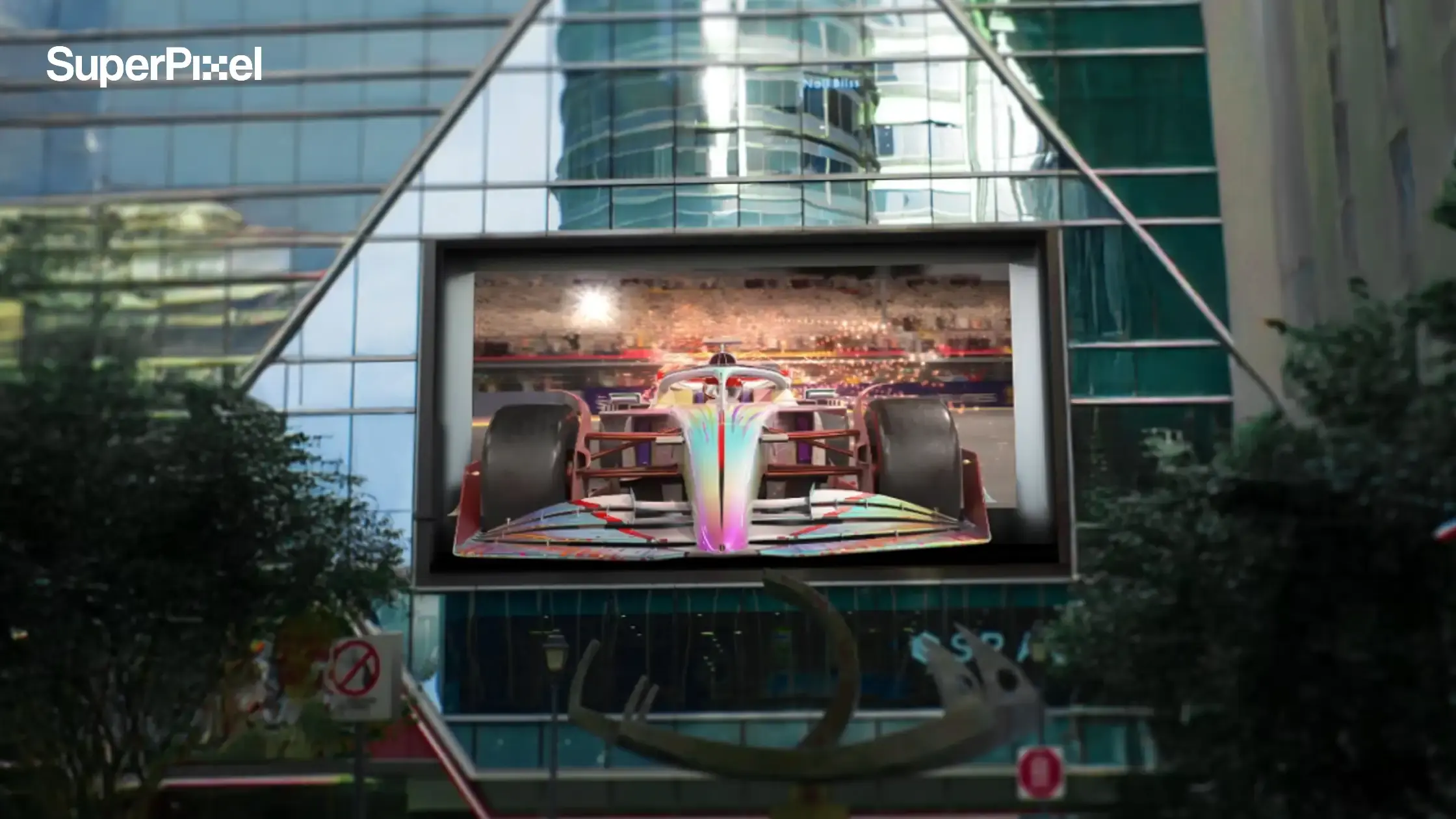
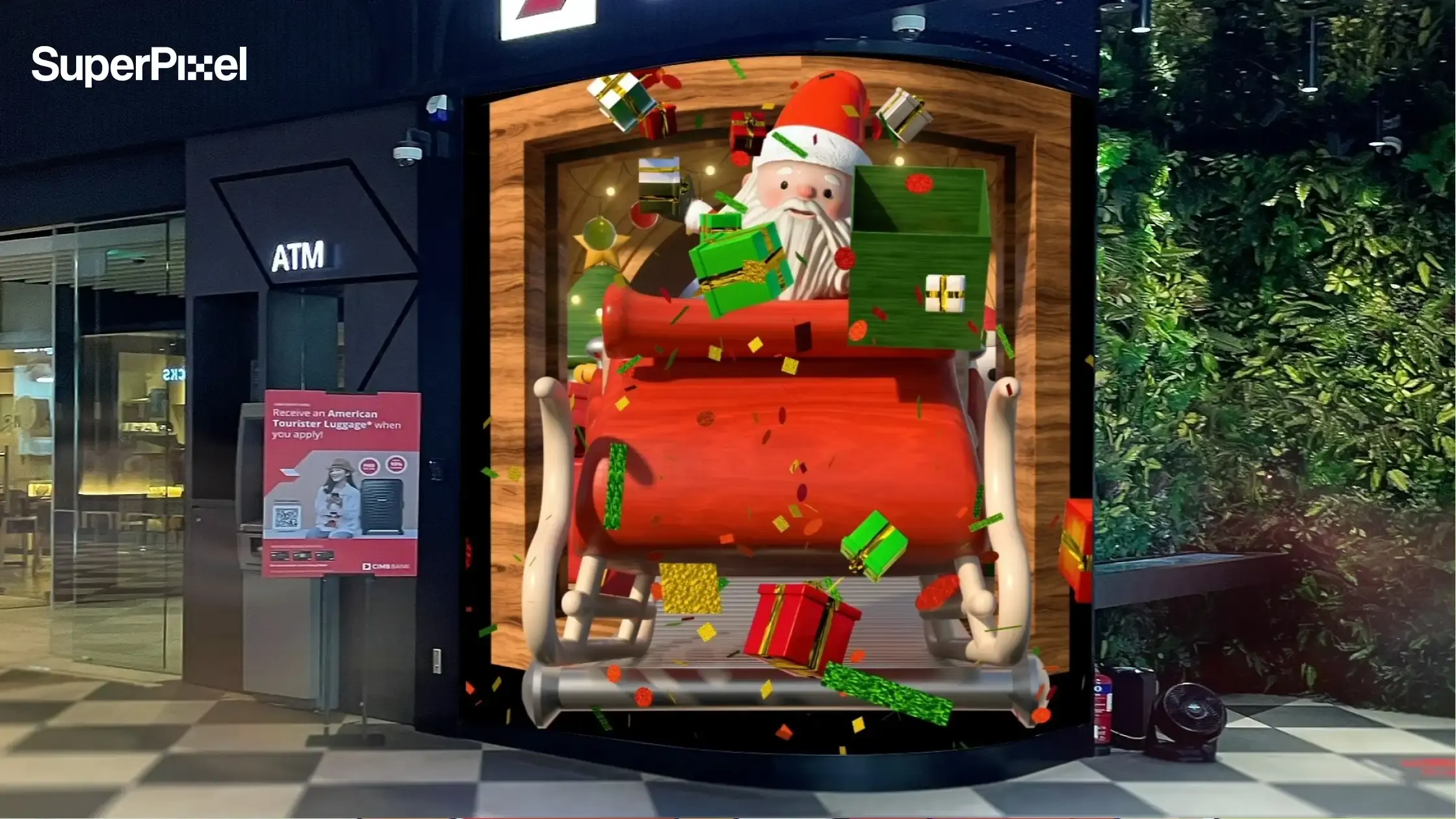
Case Study 3: F1 3D Anamorphic
For F1 3D Anamorphic, the immersive effect came from perspective. The content had to be designed for a specific viewing angle so the illusion felt dimensional to the audience.
This format is powerful for high-traffic spaces because it can stop people quickly. But the “wow” still needs a clear concept. Attention is only useful if people remember the brand message after they visit.
When Immersive Is the Right Format and When It Is the Wrong Answer
The common mistake is to start with the hardware list: projection, touchscreens, sensors, or virtual reality. But if the brief carries too many claims, more space only makes the confusion bigger.
An immersive exhibition becomes the right answer only when the communication job is clear. Whether the experience is at Resorts World Sentosa, Sands Theatre, or a MICE venue, the format should help audiences discover the message through their senses, not distract them with technology.
If Your Brief Has Too Many Points, the Problem Is Not the Screen Size
Sometimes teams want to include every product feature, brand message, campaign line, and stakeholder request. But immersive work needs focus. Even stunning visuals cannot save a message that feels overloaded.
Think about why a Van Gogh experience works for art lovers. People connect with Starry Night because the emotional idea is already clear. The same applies to Singapore Odyssea, where local myths and storytelling help people understand the journey. The strongest experiences usually do one thing well.
Why Immersive Fails When the Format Is Chosen Before the Goal
A format chosen because it feels exciting will usually underperform. Sometimes virtual reality is right because it opens new frontiers and gives audiences a first-person journey. Sometimes a simple motion loop does the job faster.
Before choosing the format, ask what the audience needs to do. Are they there to purchase tickets, join a group booking, check in at the box office, attend a scheduled session, or simply understand the brand before moving on?
Plan the Visitor Journey Before Production Starts
Visitor experience details matter more than many teams expect. If the experience is ticketed, it is highly recommended to reveal FAQs early, including age requirement, dress code, prohibited items, last entry, refunds allowed, transfer tickets, ticket ID, and whether the Fever app or app installed needs to be linked to the same account.
If the experience is held indoors, also consider lighting, sound, strobe lights, and whether an audio guide is needed. These details may sound operational, but they affect comfort, flow, and whether people feel ready to participate.
Make the Experience Accessible Before Asking People to Engage
A strong immersive experience should feel easy to enter. That means making the venue accessible, the experience accessible, and the first interaction clear for families, tourists, children, older visitors, and visually impaired people where relevant.
Accessibility details should also explain whether you welcome service animals, whether service dogs allowed policies apply, and whether visitors can bring animals. Even simple wording around service animals, service dogs, and visitor support can reduce uncertainty before people arrive.
Questions to Ask Before Committing to an Installation or Interactive Build
- How many seconds of attention are realistic in this venue?
- Is the experience held indoors or outdoors?
- What must people understand in one pass?
- What should they do next: scan, ask, sign up, explore, or purchase tickets?
- Will staff guide the interaction, or must the screen explain itself?
- Does the location affect glare, sound, queueing, visitor flow, strobe lights, or accessibility?
- Do visitors need information on group booking, box office support, scheduled session timing, last entry, refunds allowed, transfer tickets, ticket ID, or app installed requirements?
- Are service animals, service dogs, or visually impaired people properly considered in the visitor journey?
These sound like operational questions, but they are really message questions. A confused visitor is not immersed. They are just trying to figure out what to do.
Why Singapore Audiences Already Expect Immersive Moments
Singapore audiences are already surrounded by experiences that blend space, movement, design, and storytelling. For marketers, this means an immersive brand activation cannot rely on novelty alone. People already know what a memorable environment feels like.
The Apple Store at Marina Bay Sands is a “floating” glass dome that offers a unique architectural experience and scenic views. SkyHelix Sentosa is an open-air, rotating gondola that offers panoramic views of the city from 79 meters above sea level.
Immersion Is Not Always About Screens
One thing brands can learn from Singapore is that immersion does not always need to start with digital technology. Sometimes, the environment itself creates the emotional pull.
Night Safari is the world’s first nocturnal wildlife park, offering an intimate nighttime encounter with wildlife. Wings of Time is a magical night-time laser-and-water show on Sentosa Island. These examples show how mood, setting, light, and movement can shape unforgettable memories.
Family-Friendly Experiences Make the Message Easier to Enter
For brand events, one useful lesson is to make the experience easy to understand from the first few seconds. Family-friendly attractions do this well because they need to welcome different ages, attention spans, and comfort levels.
Dopamine Land is an interactive and immersive experience that combines play and technology, designed to engage visitors of all ages in colorful installations and sensory activities.
The Museum of Ice Cream offers a whimsical experience with interactive exhibits and unlimited ice cream, making it a delightful attraction for families and children.
New Immersive Concepts Raise Audience Expectations
Singapore’s immersive landscape keeps evolving, which means audiences are becoming more familiar with interactive and themed environments. For agencies and brands, this raises the creative benchmark.
Exploria, opening on March 3, 2026, is set to be Southeast Asia’s largest indoor nature-themed attraction, designed as an interactive game that combines fun and conservation education for older kids and teens.
The FRIENDS Experience, opening in March 2026, allows visitors to step into iconic scenes from the show, making it a fun and interactive attraction for fans of all ages.
The Real Lesson for Brands and MICE Campaigns
The best immersive experiences are not just visually impressive. They help people understand something faster, feel more involved, and remember the message after the moment is over.
The Reimagined Singapore Flyer Journey incorporates augmented reality to enhance the experience, allowing families to learn about Singapore’s history while enjoying panoramic views from 165 meters above. For marketers, that is the key: technology works best when it supports a clear audience journey.
Which Immersive Formats Work Best in Singapore Business Settings
Abstract talk about cutting-edge technology is rarely useful to planners. For marketers, agencies, and brand teams, the better question is fit: how long people will stay, whether they are walking or browsing, and how much explanation the format can carry without friction.
Singapore audiences already see different types of immersive experiences in daily life. Virtual reality experiences allow users to explore alternate realities that transcend their imaginations, providing a first-person perspective that immerses them in different worlds, from underwater adventures to mountain hikes.
That is powerful, but it does not mean VR is always the right answer for every brand brief.
Trade Show and Convention Experiences That Need Quick Comprehension
In a busy exhibition hall, your first five to ten seconds do most of the work. Visitors are scanning booths, comparing brands, and deciding quickly whether to stop. That means a readable first frame, large typography, restrained copy, and motion pacing that gives the eye somewhere clear to land.
A short motion loop may outperform virtual reality if the real goal is to move visitors towards a conversation.
Virtual reality experiences have gained popularity due to their ability to engage users in interactive storytelling, allowing them to participate actively rather than just observe, which enhances the overall experience.
But if your booth cannot support long dwell time, guided onboarding, or headset management, VR may create more friction than clarity.
Retail and Hospitality Experiences Designed to Slow People Down
Retail gives people more permission to explore. Here, slower transitions, ambient sound, and simple interaction can create more fun without turning the space into noise. People may pause, browse, take photos, or interact with the installation.
This is where experiences like Dopamine Land become useful references. It shows how play, colour, sensory activity, and self-expression can make people stay longer. For brands, the lesson is not to copy the format, but to understand the behaviour: give people a simple reason to enter, explore, and share.
Tourism and Destination Storytelling That Works Across Languages
Tourism and destination storytelling often need to work across mixed ages, languages, and cultural backgrounds. The story must be visual enough to travel without too much explanation.
That is why Singapore examples matter. The Reimagined Singapore Flyer Journey incorporates augmented reality to enhance the experience, allowing families to learn about Singapore’s history while enjoying panoramic views from 165 meters above. For marketers, this shows how immersive technology can support education and memory when it is tied to a clear visitor journey.
Public Information and Educational Interactives With Formal Content
Public screens and museum interactives sit closer to a teamLab Future World or National Museum expectation than a sales booth. The audience may include children, families, tourists, and people with different accessibility needs, so the experience has to feel easy to enter.
Harry Potter: Visions of Magic uses interactive wands to trigger effects across ten magical environments. The useful lesson here is interaction clarity.
People understand what to do because the action is simple and connected to the world of the experience. In a public education setting, that same clarity matters: fewer first-screen choices, readable type, strong contrast, and simple navigation can help more people begin.
Premium Venue or Attraction-Based Immersive Experiences
Some immersive formats work best when the venue itself supports a longer, more intentional visit. VR Experiences at Marina Bay Sands includes immersive VR experiences like Aquasia, Samsara, and The Line. In this kind of setting, visitors are more prepared to spend time, follow instructions, and engage more deeply.
For brands, this matters because the same technology will behave differently in different spaces. A VR concept inside a premium attraction may feel exciting. The same concept inside a crowded trade show may feel slow or difficult to manage. Format choice should follow audience behaviour, not hardware excitement.
Frequently Asked Questions
How much space do you need for an immersive experience at a Singapore event?
It depends on the job, not just the floor plan. A compact booth can work if the hierarchy is clear. A browsing-led build usually needs more space so visitors can pause without blocking flow.
Is an immersive experience better than a standard explainer video for MICE?
Not always. If you need fast understanding in a noisy hall, a tightly structured motion piece may do more than virtual reality or a deeper interactive format.
Can one immersive content system be adapted for multiple languages or ASEAN markets?
Yes, if versioning is planned at the master-content level from the start. Done early, the same system can support several markets without the story losing shape.