Blockchain product demo animation exists for one simple reason: your product can be solid, but if people can’t see how it works, they won’t stick around long enough to care.
Building SuperPixel from the ground up in 2015 taught me this the hard way that attention is a design constraint, not a “nice to have.”
Key takeaways
- A demo animation works best when it shows a real user flow, not just concepts.
- Decision-makers want “how does this solve my business problem?” before “what is blockchain?”
- 2D is great for logic and UI clarity; 3D is best when you need tangible, spatial explanation.
- Trust in crypto is fragile for high production quality can signal stability, but only if the story is precise.
- One demo video can become 10+ assets across LinkedIn, decks, landing pages, and community updates.
About Blockchain videos animation
The clarity gap: why typical messaging fails for complex tech
Quite often, Web3 teams rely on whitepapers, diagrams, and long threads. Can work one but for Layer 2 scaling, ZK-proofs, or anything that feels “mathy”, most viewers will bounce.
Here’s where the creative breakthrough happened for us: you don’t need to teach everything. You need to reduce uncertainty.
Blockchain animation simplifies complex cryptocurrency ideas into easy-to-digest visual stories. Educational blockchain animations can improve viewer retention and understanding compared to text-based explanations.
A blockchain product demo animation does that by showing the sequence for what happens first, what happens next, and what the user gets at the end.
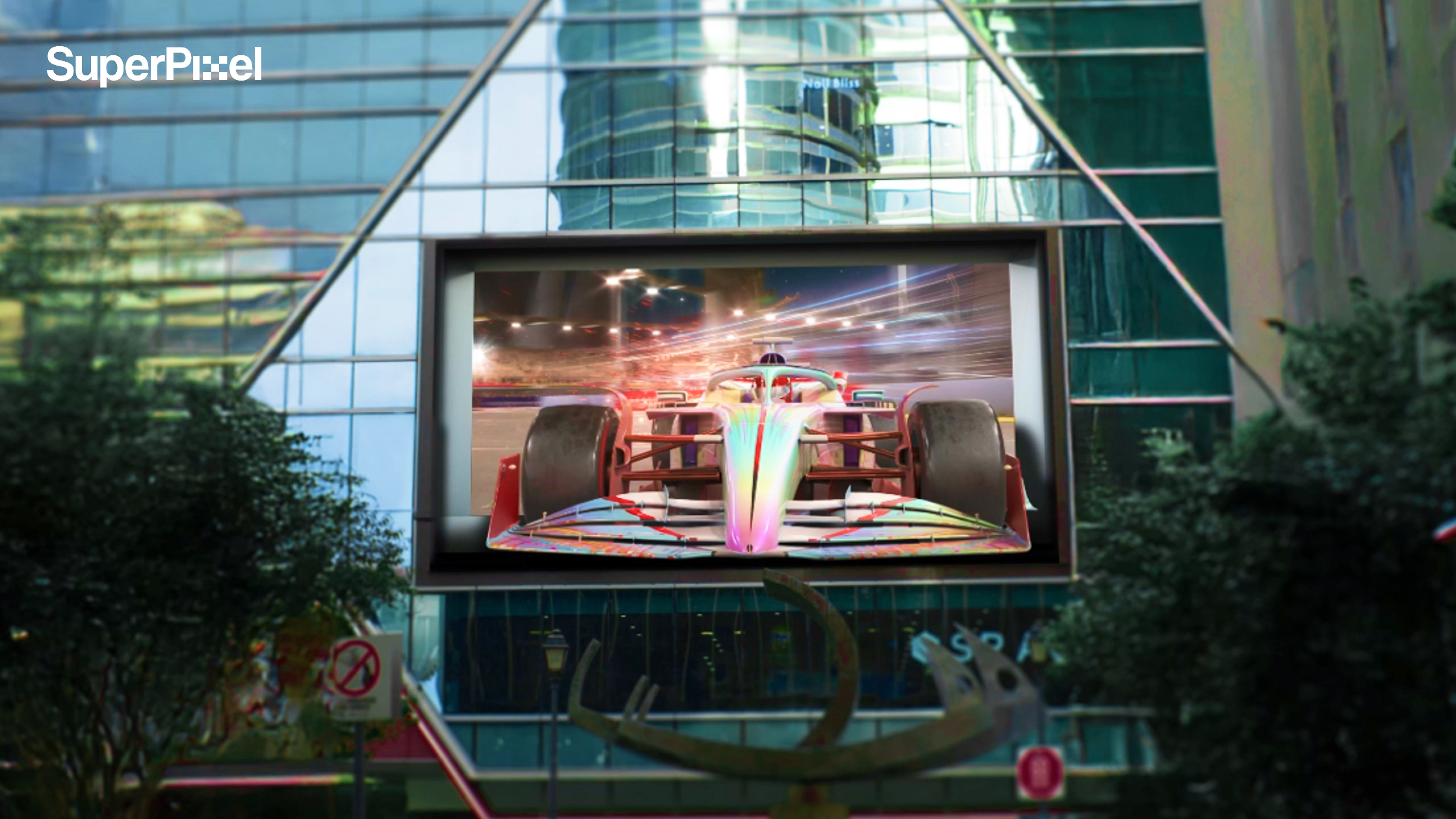
From high-end 3D to immersive event visuals, here’s a look at how we turn big ideas into moments people actually remember: here is the link.
Targeting the decision-maker in crypto space
From a creative and business standpoint, the buyer isn’t asking to be impressed. They’re asking:
- “Will my users understand this?”
- “Will my compliance team hate this?”
- “Will my partners believe this is production-ready?”
That’s why product demo storytelling starts with outcomes and risk reduction, then earns the right to explain the mechanics.
Blockchain animations are increasingly used in marketing to build trust and explain the value of digital assets.
Educational authority: complex technologies, explained clearly
In 2025, Educational Voice described their approach as “clarity first”, using visual metaphors like cubes for blocks and chains for connections, plus moving text to keep key terms readable for non-technical viewers.
Whether you use metaphors or direct UI flows, the principle is the same: make the invisible visible.
Clear and concise scripts are essential for effective blockchain animations to ensure complex ideas are easily understood.
The use of animation in blockchain education helps to layer information, starting from basic concepts to more advanced topics.
Whether you’re after a sleek product reveal or a massive projection for your next event, I’ve curated our best bits right here for you: watch here!
Short-form vs long-form: LinkedIn leads vs investor decks
- Short-form (20–45s): one flow, one message, one CTA (great for LinkedIn and sales outreach).
- Mid-form (60–90s): product demo animation that shows onboarding + proof points.
- Long-form (2–4 min): investor or enterprise deck companion, with deeper technical steps.
Interactive elements in blockchain animations enhance viewer engagement and understanding of complex topics. Character-driven stories in blockchain animations help viewers connect with the content on a personal level.
Market sentiment in 2026: trust is still the bottleneck
To be frank ah, trust is still the elephant in the room. Security.org’s “2026 Cryptocurrency Adoption and Sentiment Report” noted that 59% of Americans lack confidence in cryptocurrency security.
So if your demo is vague, it doesn’t just feel confusing, it can feel risky.
Styles and techniques in blockchain explainer videos
Why 3D works when blockchain needs to feel tangible
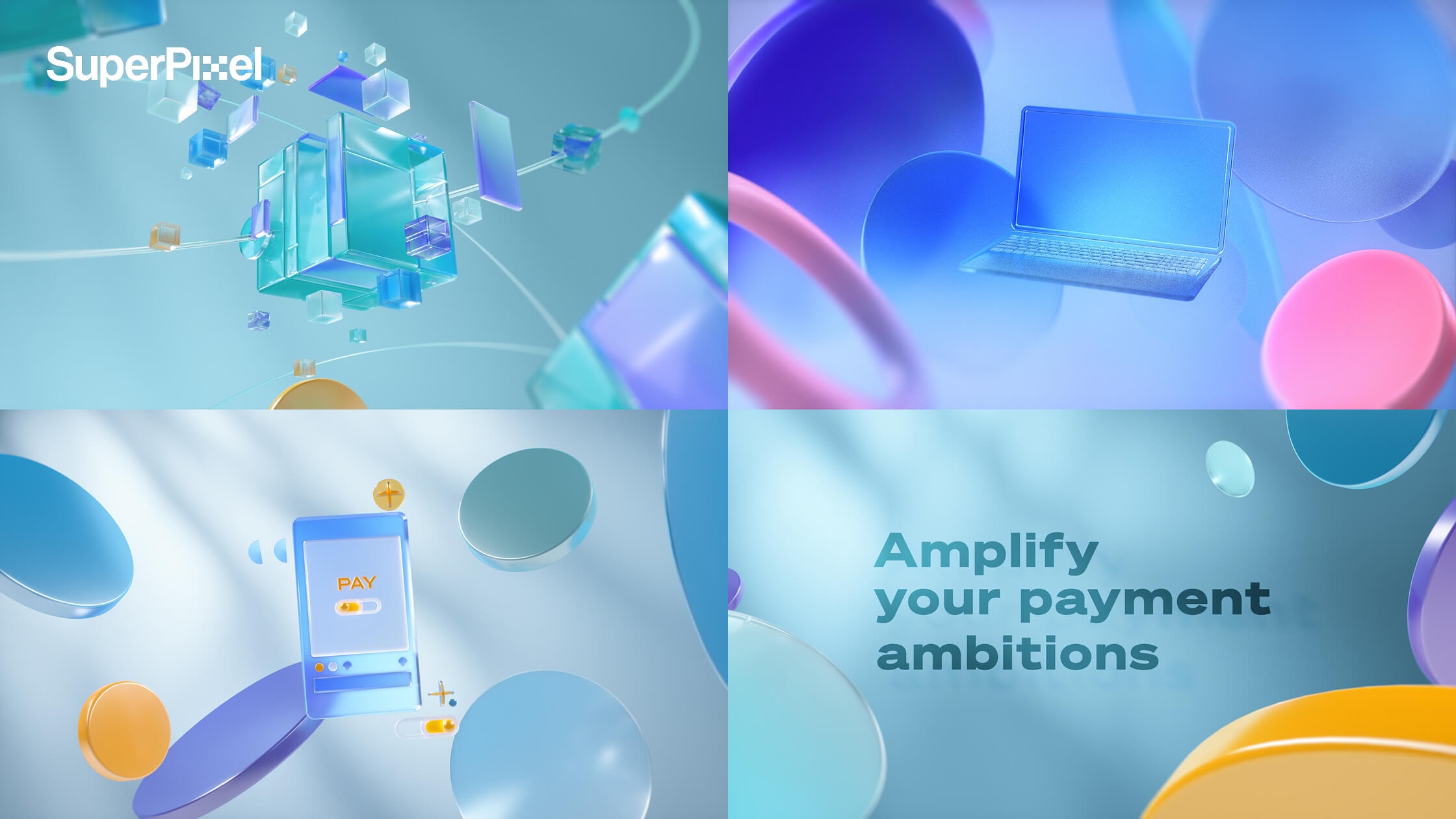
Looking at this through a design lens: 3D is useful when your product needs spatial logic.
- Infrastructure layers
- Hardware wallets
- Network-like systems
- Token movement as a “physical” flow
3D lets you create tangibility where the product is otherwise intangible.
3D animation adds depth and realism to blockchain concepts, making them more engaging for viewers.
Curious to see what we’ve been up to? Dive into our diverse world of animation and immersive media here: see here!
Visualising the invisible without leaning on jargon
A simple rule we use: show the relationship, not the buzzwords.
- Nodes become a network map with clearly animated paths.
- Smart contracts become a “rules engine” visual that triggers actions.
- Ledgers become state changes that are easy to track.
Infographic animations are effective for presenting complex data and statistics in blockchain videos.
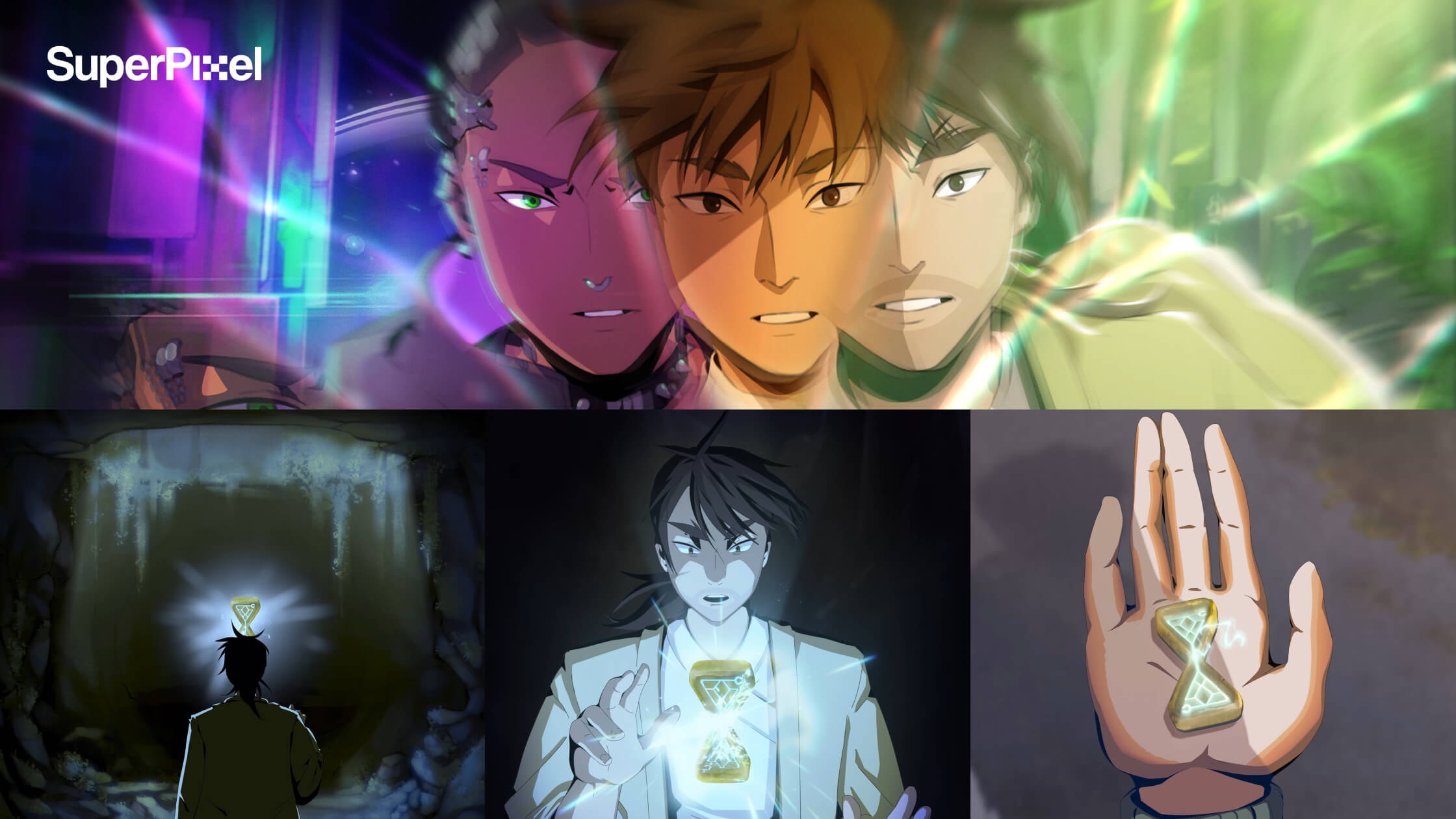
2D vs 3D animation: choosing the right medium
- 2D: best for UI clarity, logic steps, tokenomics visuals, onboarding.
- 3D: best for “this feels real”, system scale, environments, cinematic moments.
If your product is mostly software UI, 2D + motion graphics often lands better than forcing 3D everywhere.
2D animation is commonly used in blockchain videos to break down abstract concepts into clear visuals.
Character + motion graphics
Character animation is a popular style for blockchain explainer videos, allowing for creative storytelling.
The best blockchain explainer videos often combine character animation with 2D motion graphics for clarity and engagement.
Motion graphics logic
Kinetic typography can be helpful when you need to anchor key terms (fees, speed, security claims) while the viewer watches the flow. The goal is not to add noise.
The pacing of blockchain animations should allow viewers enough time to process new concepts before introducing new information.
UI/UX integration: combining real screens with animation
This is the part many teams underestimate. A strong blockchain product demo animation often combines:
- real screen recordings (or recreated UI)
- motion design overlays
- animated callouts showing what to tap, approve, or verify
Result: the video feels like a product experience, not a concept pitch.
Benefits of animation in blockchain communication
Building trust through production quality (and precision)
High production value can signal stability, but only if the details are consistent:
- terminology matches the product
- flows match what users see in-app
- claims are framed carefully (especially around security)
Animation bridges the gap between blockchain experts and everyday users, making complex ideas accessible to a broader audience.
Why landing pages care: conversion benchmarks and video impact
Shopify’s “Landing Page Statistics” article published in 2025 cites a median landing page conversion rate of 6.6% across industries, and notes that video is often credited as a key element affecting conversions.
So yes, a product demo animation can support conversion—but only when it reduces confusion fast.
Viewers retain 95% of a message when watching it in video form, compared to just 10% when reading text.
Simplifying complex concepts in 60 seconds
If your product touches Agentic AI, RWA tokenisation, stablecoin rails, or institutional DeFi, the demo should do one thing well:
- show a believable flow
- show a believable outcome
- show one reason to trust the system
Animated videos can explain complicated blockchain ideas in less than three minutes, making them effective for quick understanding.
Overcoming scepticism with transparent metaphors
People don’t trust what they can’t follow. The best metaphors are the ones that map cleanly to reality:
- a “vault” that clearly shows lock/unlock rules
- a “route” that shows where value moves
- a “receipt” that shows proof without drama
Global reach without refilming
Another underrated benefit: you can localise voiceover and on-screen text for different markets without reshooting anything. For teams operating 24/7 globally, that matters.
Animated content is particularly useful for blockchain startups that need to explain their value quickly to potential investors and users.
Successful examples of blockchain animations
Crypto trading platforms: show liquidity without overwhelming the viewer
If you’re explaining liquidity, slippage, or security controls in blockchain technology, the trick is pacing because you’re competing for viewer’s attention in a noisy cryptocurrency world where people will drop off fast.
- show the user intent (swap, on-ramp, withdraw)
- show what happens behind the scenes in one clean loop (including liquidity pools as a simple visual)
- show what the user sees as confirmation
This is where visual storytelling and clean visual design matter. You’re taking complex processes and turning them into simple visuals that help potential customers understand how the product works without feeling lost.
For many crypto companies, these crypto videos double as educational content and onboarding tutorials, especially when the platform is a software product with multiple steps and approvals.
RWA: bridging physical assets and digital tokens
RWA stories often fail when they skip verification steps. A demo animation can make the custody and proof chain feel concrete when your audience includes enterprise stakeholders who care about technical accuracy and traceability.
This is one of those cases where animation helps connect abstract ideas to familiar concepts.
You’re showing how a physical product or asset maps into tokens, and you’re making that chain easy to follow, so the viewer can see the key steps, the key features, and what proof looks like in a way that feels grounded.
A quick competitor reality check (and how to stay distinctive)
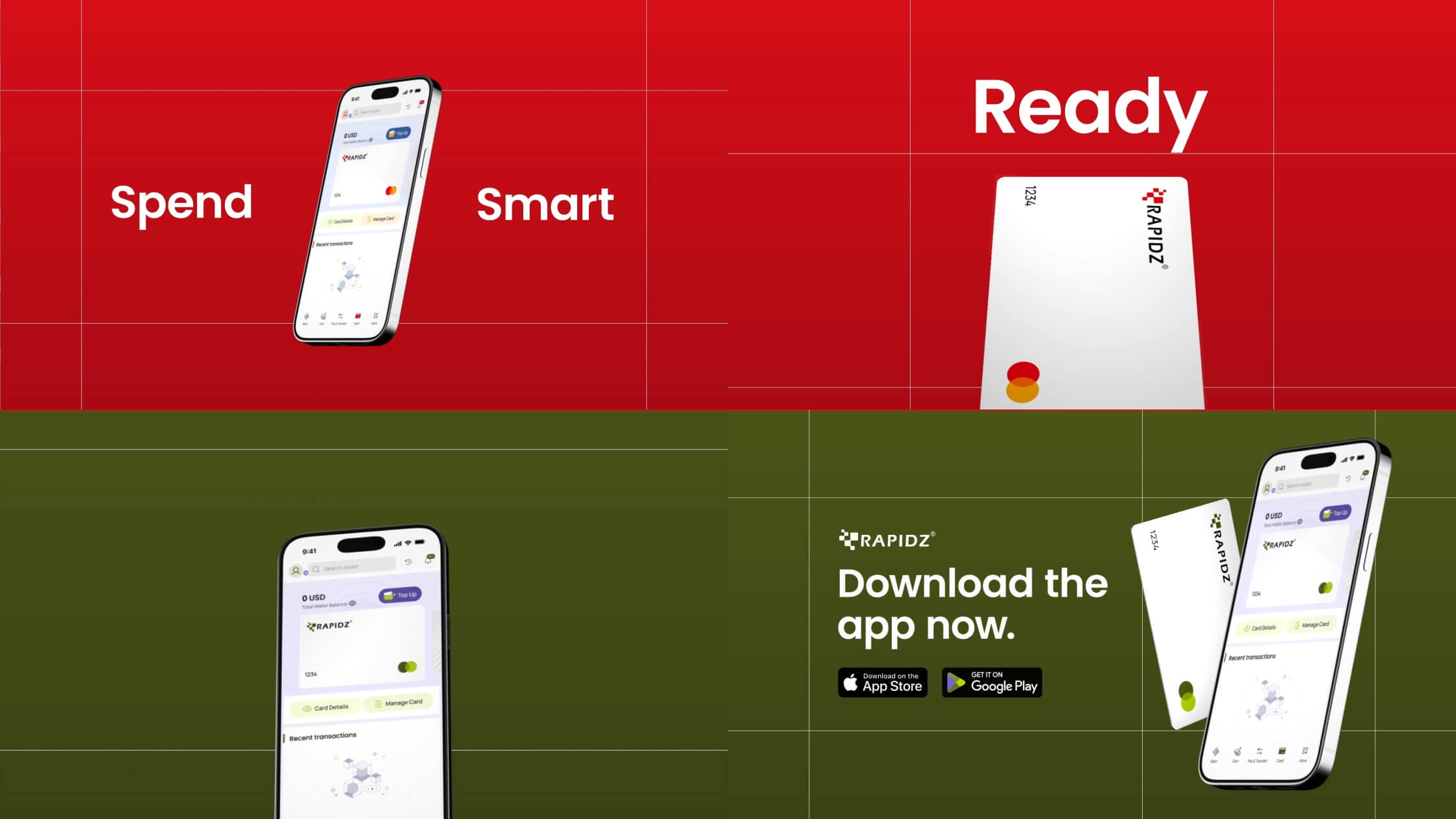
Piehole TV’s undated explainer roundup lists styles like screen demos, typography/icon-led videos, isometric, 2D, and 3D basically reminding us there’s no single format, only the format that fits your message.
So the question becomes: what will your decision-maker understand after one watch and would they know where to access the next step on your website, what the main functionalities are, and why the product works the way it does?
Creating effective blockchain product demo animations
The discovery phase: turning whitepapers into a brief
Here’s how we tackle it at SuperPixel, as a company that’s done this across different industries and formats:
- what the user wants (aligned to the target audience)
- what the product does (what the product works like in real use)
- where trust breaks (the specific aspect that triggers doubt)
- what proof we can show visually (what we can demonstrate and showcase)
This is the foundation of the production process. If this part is off, the rest of the video production becomes guesswork.
Storyboarding for accuracy before the first frame
What separates good creative from award-winning work is discipline early on, this is pretty much an industry standard when you’re explaining blockchain tech:
- storyboard the logic
- validate the flow with product/engineering (for technical accuracy)
- lock the “truth” before polishing visuals
This protects you from rework later, especially when the story includes approvals, fees, or security behaviour that has to match the actual system.
Human-centric design: why the “human element” still matters
Even in Web3, people decide based on confidence. A relatable micro-narrative helps:
- “I’m onboarding”
- “I’m approving”
- “I’m verifying”
- “I’m done”
Simple, but it makes the flow feel manageable especially when you’re translating abstract ideas into familiar concepts that real users can relate to.
Repurposing strategy: one demo video into 10+ assets
A practical breakdown:
- 1 master demo (60–90s)
- 3 cutdowns (15–30s)
- 3 feature clips (10–15s)
- 3 stills/GIF loops for posts and decks
This is where animated explainer videos can keep paying off. One solid master becomes multiple pieces across channels that your sales outreach, landing page, community updates, and even a YouTube channel library for tutorials and feature explainers.
Post-production details that affect comprehension
This part sounds small, but it affects whether people stay until the end:
- video editing that keeps the pacing readable
- smooth transitions that help viewers follow each step
- background music that supports the presentation without fighting the voiceover
These choices keep the message clean, especially when you’re compressing complex processes into under 90 seconds.
Case studies about Crypto animation
Case Study 1 — Crypto.com “Loaded Lions: Mane City – Fractured Fate” (3D trailer)
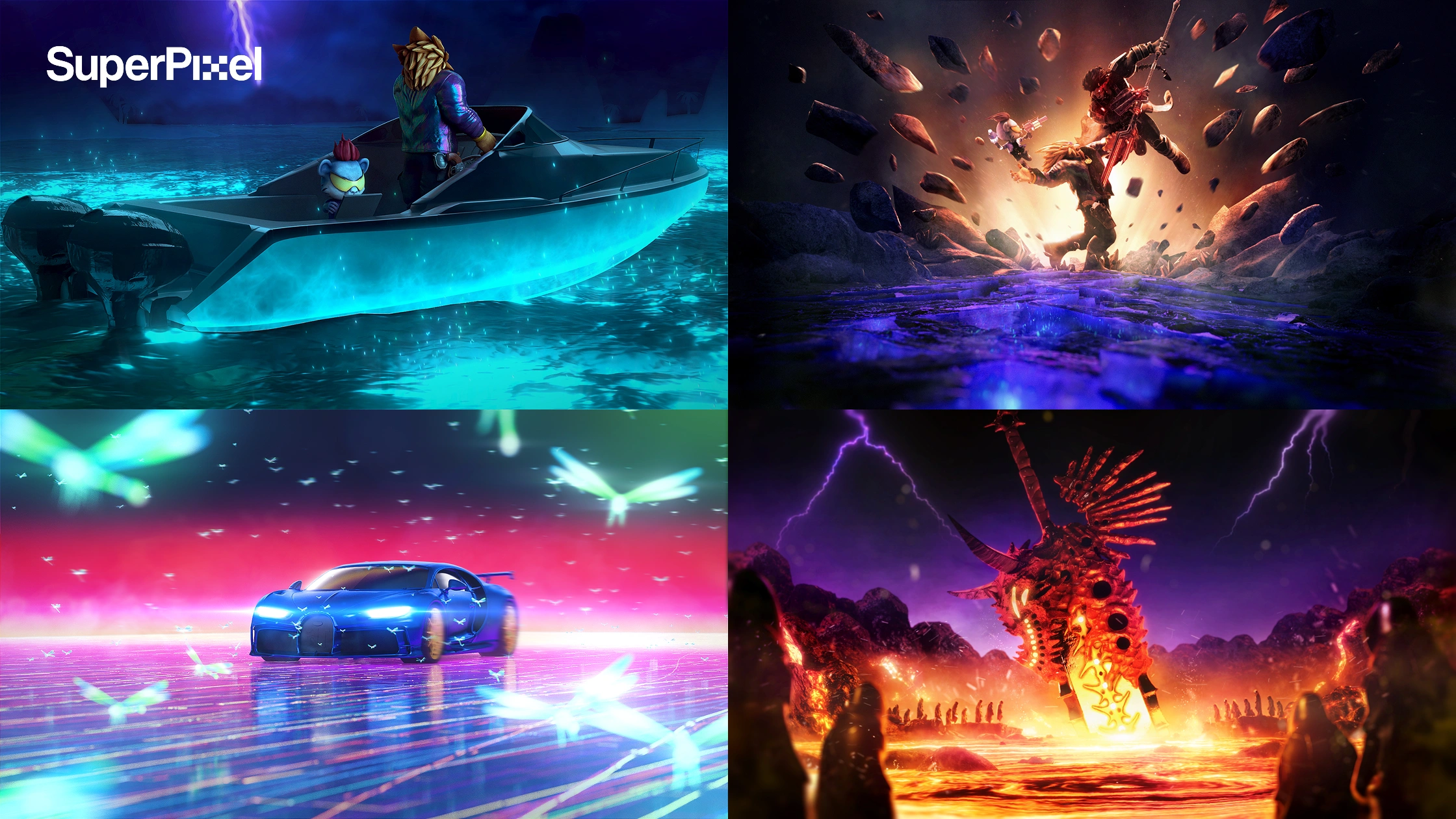
Crypto.com needed a cinematic 60-second trailer to build hype for an upcoming NFT Land Sale and set the stage for the next chapter of the game’s lore.
Working from their storyboard, animatic, and concept art, our team visualised, animated, and polished every scene into one cohesive trailer by using FX simulations, seamless transitions, and stylised rendering to keep six different lands visually consistent.
Lesson: for IP-driven Web3 launches, spectacle only works when the world feels coherent. Consistency is the trust layer.
Case Study 2 — AstraPay Character Design & Digital Identity (2D)
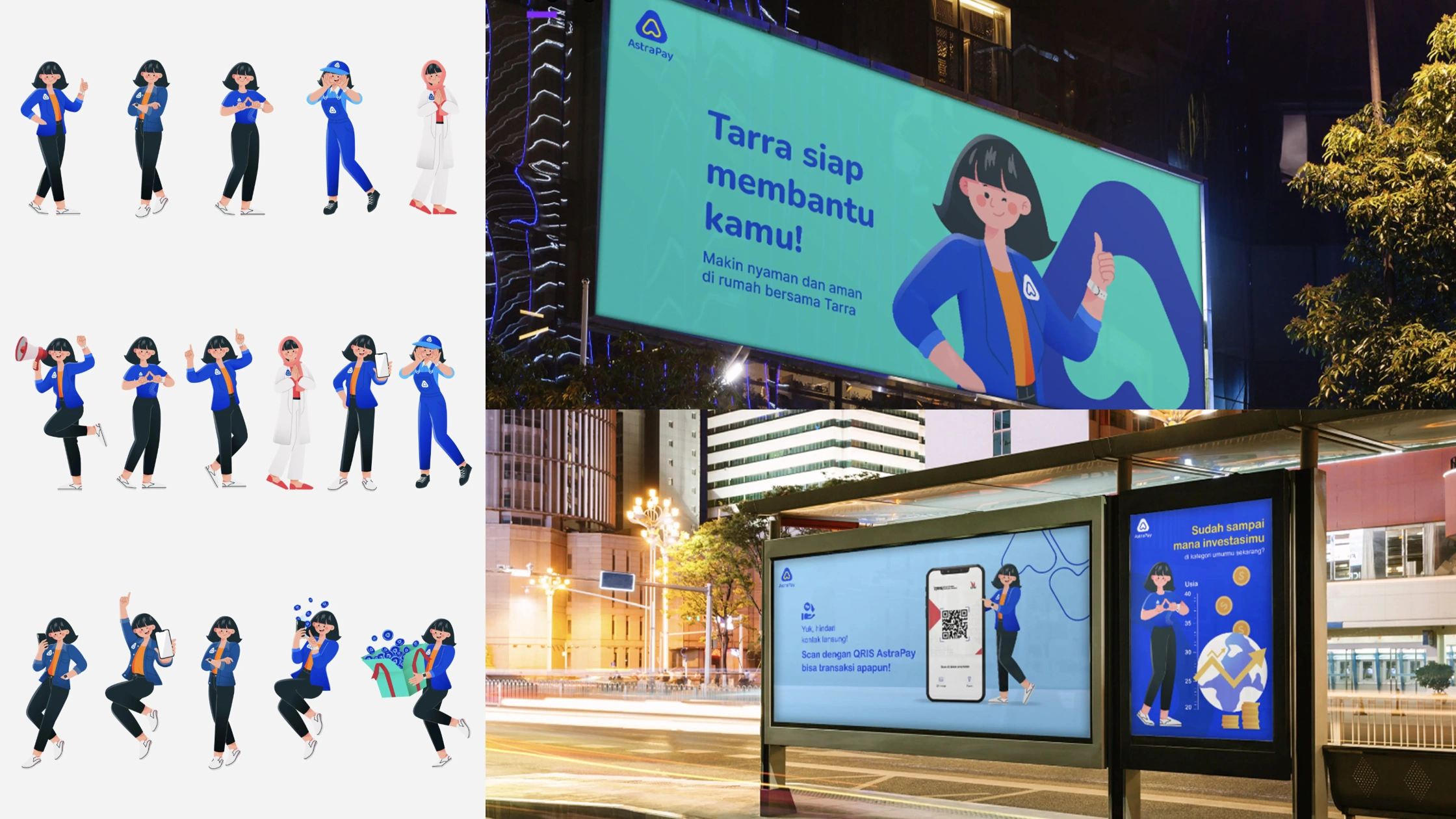
We developed human and robot characters that became part of AstraPay’s customer-facing system, used across digital touchpoints like chatbots and help centres by supporting conversion improvements and a stronger identity.
Lesson: in product demos and onboarding, a consistent visual system makes new flows feel safer and easier to follow.
A product demo your team will actually reuse
If your team is building in Web3, clarity is part of product quality. A good blockchain product demo animation becomes the single reference your sales deck, landing page, community, and partners can share without re-explaining everything on every call.
If you want, start with one objective:
- explain the product in 60–90 seconds
- then produce cutdowns for the channels that matter
If you’re ready to turn your product flow into a demo animation people can follow in one sitting, talk to SuperPixel.
Share your current deck, landing page, or product screens, and we’ll help you map the right style (2D, 3D, or hybrid), the right length, and a cutdown plan your team can reuse across campaigns.