If you’re searching for Animation Studios in Singapore, the real pain isn’t a lack of options, it’s choosing the wrong partner: the video looks good in a reel, but the message doesn’t land, feedback loops drag on, timelines slip, and budgets creep.
In this 2026 guide, I’m listing studios with a decision-maker lens: who’s strong for clear 2D explainers, who excels in 3D product visuals, who does character-led storytelling well, and who focuses on CGI/VFX.
Key Takeaways:
- ROI First: The best studio prioritizes your business goals over artistic ego.
- Specialization Matters: Some studios shine in 2D storytelling, while others dominate high-end architectural CGI.
- Process is King: Look for a transparent workflow that respects your timelines and budget.
- Diverse Options: Singapore offers a range of partners, from boutique creative houses to full-service production firms.
- Strategic Partnership: Your animation partner should act as an extension of your marketing team, not just a vendor.
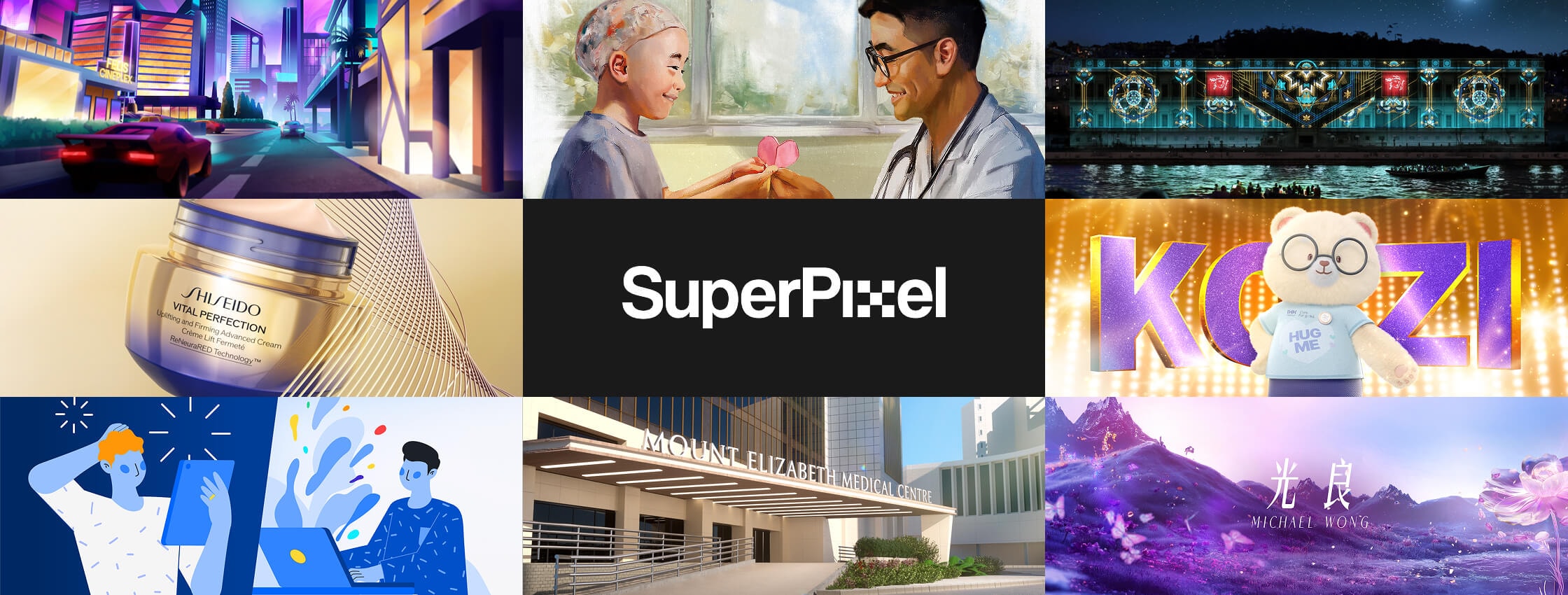
1. SuperPixel Animation Studio
At SuperPixel, we don’t just make cartoons. We specialize in visual storytelling that drives business results.
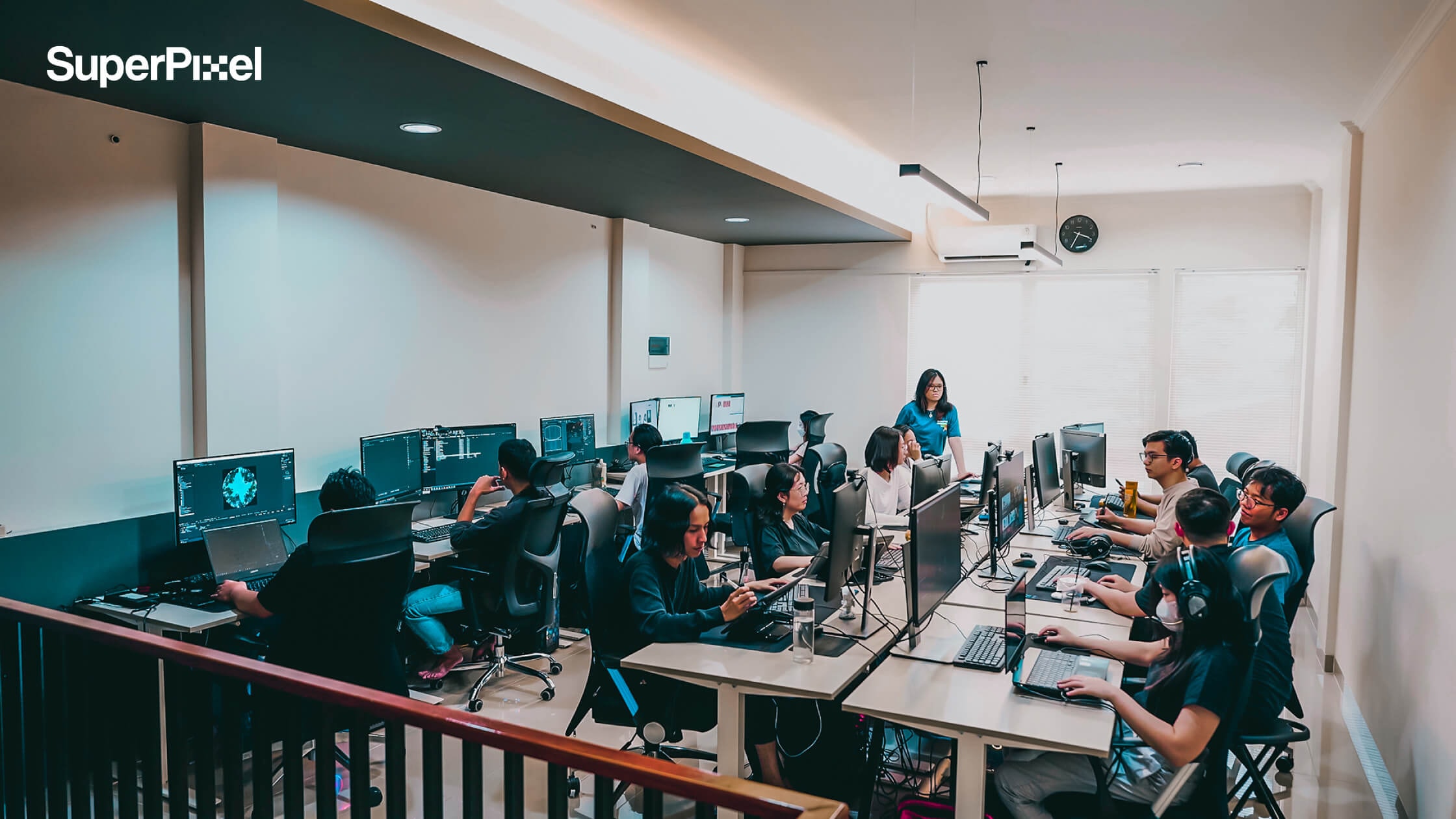
My team and I bridge the gap between high-end technical artistry and corporate strategy. We know you aren’t just looking for pretty pixels; you are looking for conversion, clarity, and brand authority.
- Best For: Decision-makers looking for high-quality 2D/3D animation, corporate explainer videos, and motion graphics that convert.
- Our Edge: We focus on the business objective first. Our process is low-friction for busy business owners, ensuring the final product aligns perfectly with your brand’s ROI goals.
- Services: 2D & 3D Animation, Explainer Videos, Interactive Media, and TV Commercials.
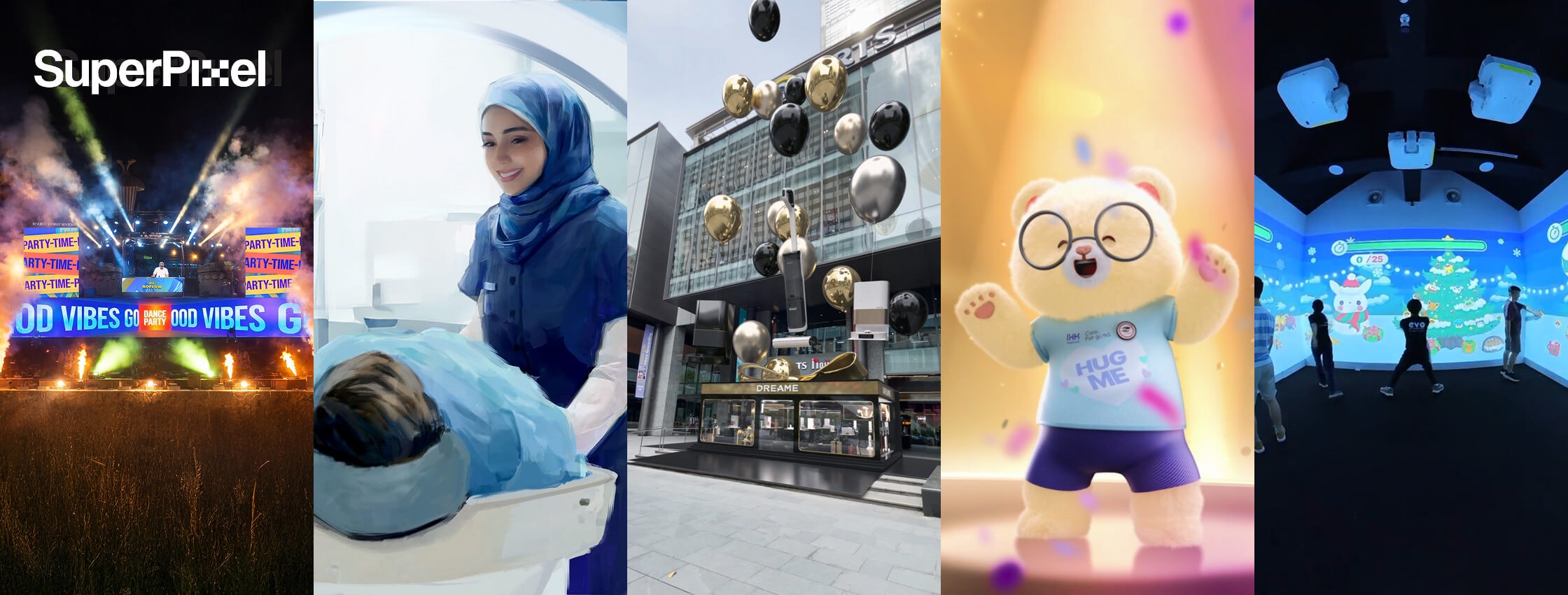
Proven Expertise: Case Studies
We let our results do the talking. Here are two recent projects where we solved specific business challenges:
TikTok Mega Sales 2024 Campaign
- The Challenge: TikTok needed to appeal to business executives across Southeast Asia and position itself as a serious sales tool.
- Our Solution: We created an integrated suite of assets—website, sizzle video, and graphics that spoke the language of business while keeping the brand’s energy.
- The Result: The campaign successfully enhanced TikTok’s appeal among decision-makers, providing a comprehensive visual guide for their sales teams.
McDonald’s Family Mental Wellness Campaign
- The Challenge: McDonald’s and MSF needed to discuss a sensitive topic, family mental wellness without being heavy-handed.
- Our Solution: We developed a heartfelt 2D cel-animated short film. The softer, hand-drawn style made the message approachable and emotional.
- The Result: The video hit 300k YouTube views in one month, proving that the right visual style is crucial for message retention.
2. Masonry Studios
If your brief needs realism that holds up in close ups, Masonry is a strong option. They are best known for CGI work that supports product launches and promo videos, where finish and detail really matter.
3. CraveFX
CraveFX tends to sit in the “flexible and wide range” lane. They can handle standard animation work, plus interactive formats that use VR, so they suit teams that want one partner across different deliverables and platforms.
4. Big 3 Media
Big 3 Media is often brought up in corporate communications projects because they combine video work with strong animation capability. If your internal stakeholders care a lot about consistency and delivery discipline, this type of studio setup usually helps.
5. Omens Studios
Omens leans heavily into original content and series work. They produced the award winning children’s series Soft Rain, which says a lot about their strength in character led storytelling and educational content.
6. Robot Playground Media
Robot Playground Media is known for its 2D and 3D animation expertise, creating compelling stories with rich visual styles.
7. Genesis Motion Design
Genesis Motion Design is a cutting-edge multi-discipline animation and motion graphics studio in Singapore.
8. One Animation
One Animation is widely known for Oddbods and high end 3D kids content. Even though their core focus is entertainment, the character performance bar is high, which can be useful if your brand work relies on expressive characters.
9. Chips and Toon
Chips and Toon has solid experience in 2D production and character design, often seen in local broadcast style work. If you want narrative driven 2D with a distinct local flavour, they are a good match.
10. Lights and Shadows
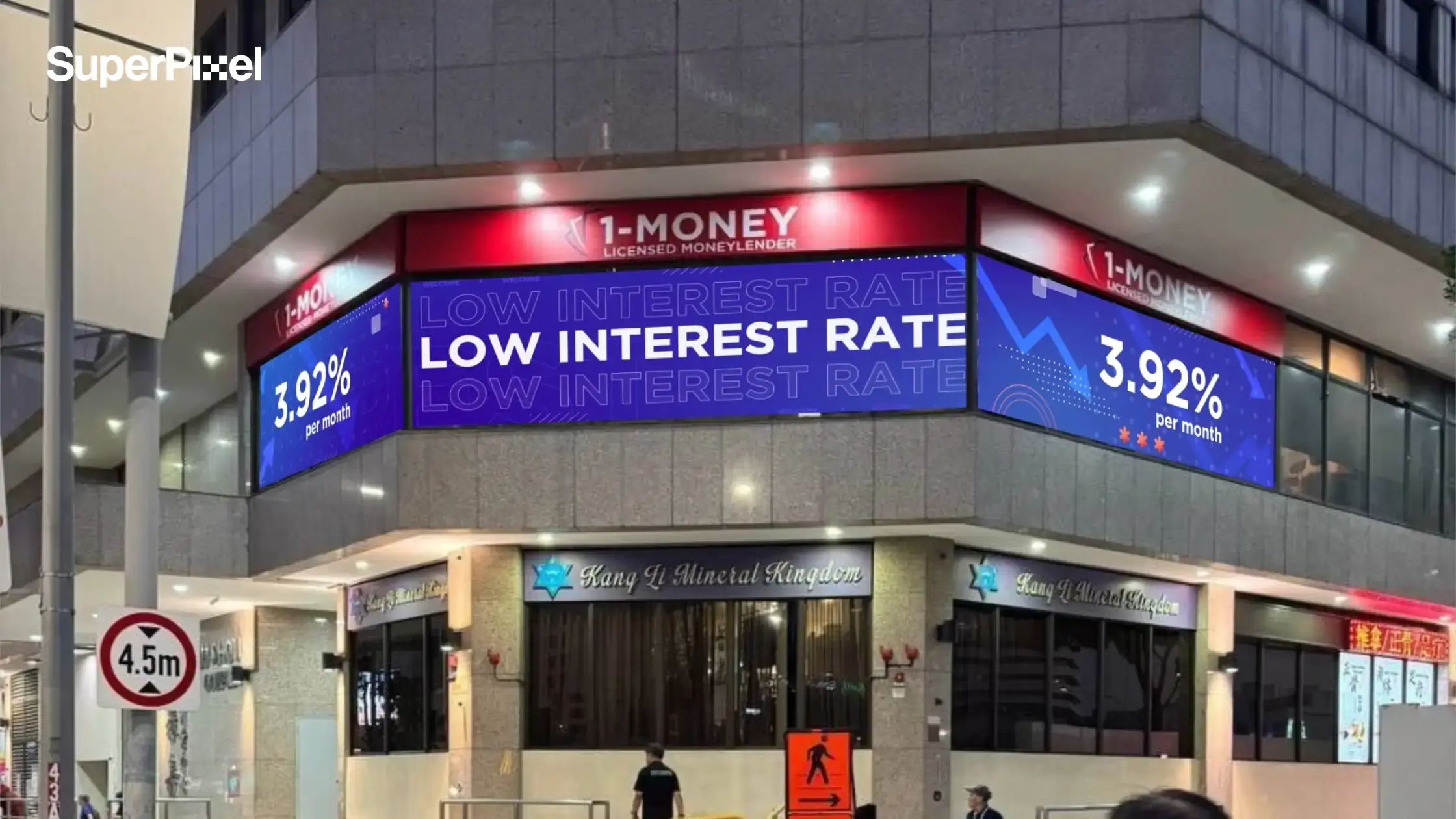
Lights and Shadows is known for visual technology and event focused work, including projection mapping and large format experiences. If your brief involves big screens and public environments, that experience matters.
Also worth a look in Singapore
If you are expanding your shortlist beyond the ten above, these studios come up often for specific needs.
Method N Madness
Known for high quality CGI and VFX work used in commercials and films.
Finding Pictures
Finding Pictures is a creative studio that produces unique and engaging animations, focusing on original content and artistic storytelling.
Tiny Island Productions
Tiny Island Productions is Singapore’s pioneer and leader in stereoscopic 3D CG animation, with a rich history of international collaborations and award-winning productions.
Artillery Studio
Specialises in immersive AR and VR content, built around interactive experiences that engage audiences.
August Media
August Media combines animation with documentary storytelling to produce educational and informative content.
Animation Industry Trends in Singapore
When people search Animation Studios in Singapore, they usually want two things at the same time.
A shortlist of studios, yes. But also a sense of “what’s changing here?” because that affects timelines, budgets, and what your audience expects to see.
Here’s the simple read on the scene right now.
1. Singapore keeps getting stronger because the ecosystem is supported
One reason the industry stays active is that it isn’t running on client work alone. There’s ongoing support in the market through IMDA, including funding and a real push for original IP. That kind of backing helps studios build capability over time, which shows up in more consistent delivery and stronger production discipline.
2. 2025 set the pace and 2026 is continuing it
A lot of studios levelled up in 2025, and that momentum is carrying into 2026. The baseline expectation is higher now. Faster turnaround. Cleaner execution. Less tolerance for unclear planning. If you’ve ever been stuck in a project where everyone is reacting instead of following a plan, you’ll feel why this matters.
3. Singapore is a regional hub for a reason
It’s not just “there are many studios here.” It’s that the market has a steady pool of creative talent and the operational maturity to handle bigger briefs. That’s why Singapore often becomes the centre point when a project needs to run across Southeast Asia.
4. AI tools are quietly changing what “fast” looks like
Most teams aren’t shouting about it, but AI-driven tools are already part of everyday workflows. The biggest difference is iteration. You can explore directions quicker, reduce repetitive work, and keep versioning under control. The end goal is still the same: make the message clear and the pacing tight. It just takes fewer loops to get there.
5. AR and VR in social media content
A few years ago, AR or VR would show up as the exotic line item. Now it’s showing up more often as a normal option for brands doing events, installations, or interactive screens.
If your campaign touches physical spaces, this trend matters because the deliverables get more complex, and planning has to start earlier.
6. Government initiatives keep nurturing talent
Support and grants don’t just help local teams grow. They also make Singapore attractive for international work, which raises the overall standard. It’s a mix of growing local capability while staying exposed to global expectations.
Types of Animation Services
Animation studios have grown from backend support into global players in original content, 3D, and VFX, and that’s why shortlisting can feel overwhelming.
In Singapore, timelines are also getting faster because many studios now use AI tools to automate lip-syncing and frame in-betweening.
Here’s how I usually break down what to commission.
1. 2D animation with animation techniques
2D animation brings brands to life with a unique style. It often the fastest way to get a distinct look that feels intentional.
It works well when the message needs to be clear, friendly, and easy to follow, especially for product walkthroughs, service explainers, or public facing campaigns.
2. 3D animation with visual storytelling
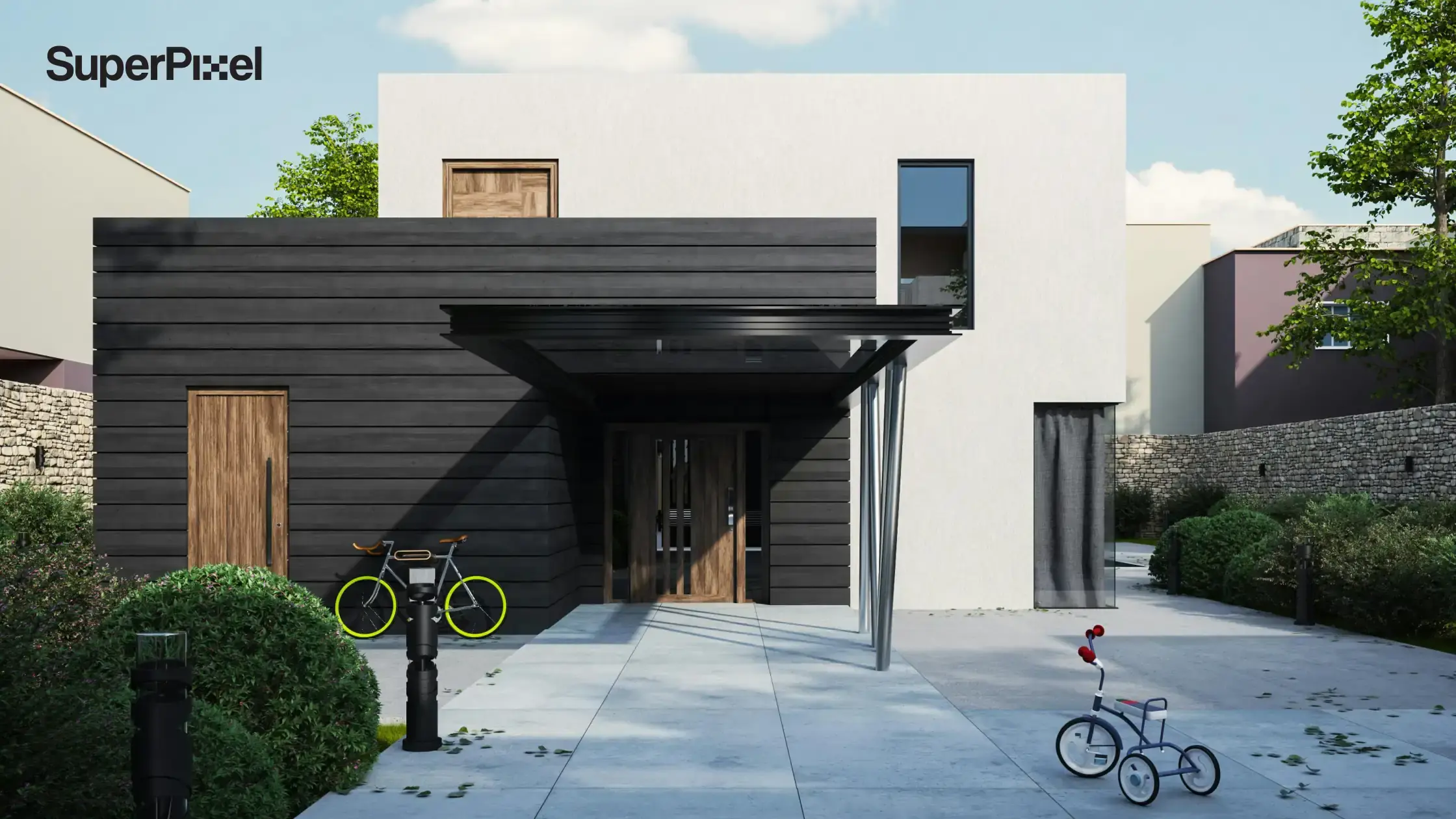
3D animation provides a heightened sense of visual realism. It is useful for product visuals, architecture, and anything where the audience needs to understand how something looks, moves, or fits together.
3. CGI for commercial work
CraveFX offers a comprehensive range of CGI services, including animation, motion graphics, AR, and visual effects.
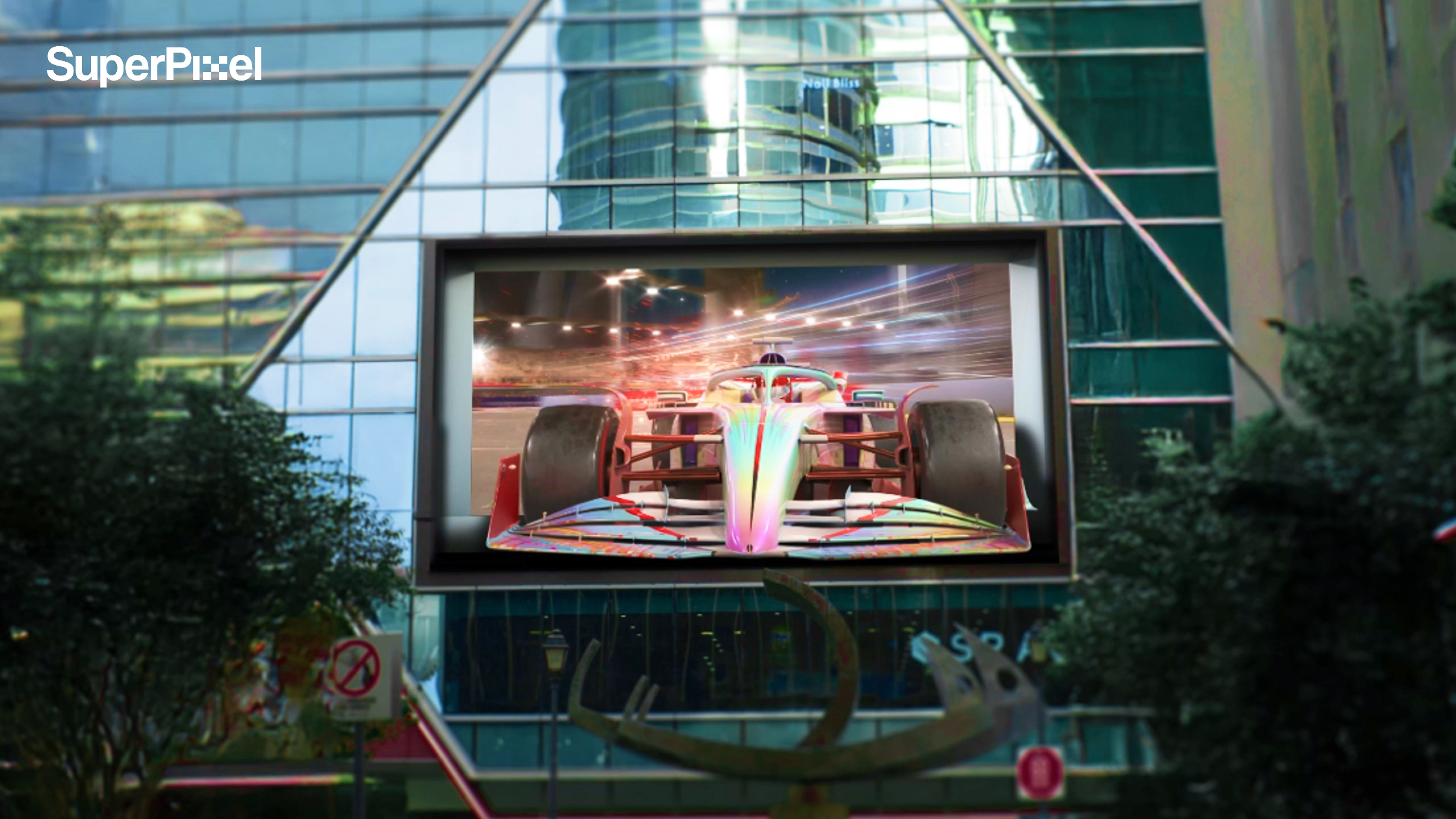
That matters because CGI is often the choice when your project needs a higher level of realism and polish than traditional styles can deliver. CGI usually means building visuals from scratch with a strong focus on realism and finish.
4. Motion graphics explainer videos
This is what you use when the content is information heavy and you want it to read cleanly.
Motion graphics are commonly used for explainer videos that improve decks, landing pages, and internal presentations, especially when you need structure, pacing, and clear hierarchy on screen.
5. Visual effects
Singapore is a significant hub for animation in Asia, featuring a mix of established international firms and creative local studios specializing in 3D/2D animation, VFX, and interactive content.
VFX is where you blend the fantastic with real footage. It is a fit when you already have live action, but you need enhancements, additions, or cleanups that feel seamless.
6. Augmented reality, VR, and interactive work
The animation industry in Singapore is driven by rapid advancements in technology such as AI, augmented reality (AR), and virtual reality (VR).
Then, immersive AR and VR content are becoming mainstream in animation services.
AR and VR are showing up more often as standard options, not rare add ons. Some studios specialise in interactive formats and “phygital” experiences, where the work is designed to live across screens and physical spaces.
7. Stop Motion
Stop-motion animation is a technique that can be used in large-scale production. The reason brands still choose it is simple: the tactile, handcrafted feel reads as “real” on screen, which can make a campaign more memorable.
However, it also requires tighter planning around build time, materials, and retakes because every second of footage is physically produced frame by frame.
How to Choose the Right Studio for Your Business
For a business owner, the “best” studio isn’t always the one with the biggest awards or the one listed first on a generic directory like LinkedIn Pulse. It’s the one that fits your specific needs.
Here is my advice on how to filter your options:
Portfolio alignment
Start with proof, not promises. Look for successful projects that resemble your world. If your company sells B2B software, a studio that mainly produces kids content may have strong animators.
But the pacing, tone, and structure can miss what your audience expects. For B2B, you usually want motion graphics explainer videos and infographics that make information feel simple without losing accuracy.
Communication style
This is the part people underestimate. You need a partner who can explain decisions honestly, keep feedback clean, and manage stakeholders without drama.
Great animation techniques and technical expertise matter, but so does the ability to run a process that does not spiral. If your point of contact cannot translate creative choices into business outcomes, you will spend your time bridging that gap.
Scalability
Think beyond one deliverable. Can the studio handle a one off social asset, then scale into a larger rollout without changing the working style every time.
The most useful partners are the ones who can grow with you while keeping consistency, whether the work is a quick sprint or a bigger campaign that brings ideas to life across formats.
Cost of Animation Services in Singapore
Understanding the budget is crucial for any business vision. The cost of animation in the Singapore world is not one-size-fits-all. It varies based on project complexity, length, style, the technology used, and how fast you need it done.
What typically drives the price up or down
Animation studios in Singapore typically recommend an initial consultation to discuss project goals and budget, and it makes sense once you look at how scope changes the work.
The same goes for cutting edge technologies like augmented reality and virtual reality, where testing and device performance become part of production.
Here are the usual cost drivers studios look at:
- Length and format
A 30 second deliverable is a different scope from a 2 minute explainer or a longer tv series style narrative. - Style and complexity
Stunning visuals often require more detailed design and more iteration, especially when you want the world to feel grounded in reality. Many animation studios in Singapore offer supplementary services such as scriptwriting, storyboarding, sound design, or video editing. - Production speed
Rush timelines can increase cost because teams need to compress review cycles and run parallel workstreams. - Deliverables and versions
Campaigns often need multiple cutdowns, multiple ratios, and platform formats for advertising across channels like Facebook, which increases export and QA workload.
Common add on services that affect the budget
Many studios also offer services that sit around the animation itself. These can raise the quote, but they also reduce risk because the work is more coherent from start to finish.
Typical add ons include:
- Scriptwriting and storyboarding
Often the difference between “nice visuals” and a piece that actually connects. - Sound design and voiceovers
This matters more than people expect, especially if the goal is evoking emotions and making the pacing feel natural. - Video editing and post production
Useful when the project blends animation with live footage or film production elements.
A note from my side on transparency
As a founding partner at SuperPixel, I have seen that transparency on cost is what protects the relationship.
When pricing is clear, scope is clear, and feedback rounds are defined, you avoid the situation where creativity turns into moving boundaries. That is usually where budgets break and teams lose momentum.
Animated Historical Narratives
Why I pay attention to this category
As a CEO, I treat historical animation as a signal of where an industry is headed, because it demands more than clean visuals. It tests whether a studio can carry culture, handle sensitive context, and still keep the story moving with commitment and passion.
What is changing in Singapore
In Singapore, animated historical narratives are becoming more visible as studios take on stories tied to significant periods and shared memory. When that happens, you usually see stronger story discipline across the wider scene, because the bar for research, tone, and consistency rises.
The 2026 proof point people are watching
The Violinist, Singapore’s first animated historical epic, is set for release in August 2026 and chronicles life during the Japanese Occupation.
Projects like this force higher standards in narrative control, research discipline, and consistency, and that capability tends to lift the baseline for the whole scene.
Why this matters even if you are not making a film
For business leaders, the practical takeaway is that studios involved in work like this often develop stronger muscles that carry into client projects.
You tend to get better handling of brand identity because the teams are trained to keep tone consistent, better use of imagination without losing credibility, and a clearer ability to build hope into a story without making it feel forced.
How to use this in your studio shortlist
If your message needs trust, education, or public facing clarity, treat story capability as a decision factor.
Look for evidence that a studio can manage cultural context, sustain a narrative arc, and deliver with discipline, because that is where innovation actually becomes useful instead of just decorative.
Why SuperPixel is the Strategic Choice
We understand that as a business owner, your time is your most valuable asset. That’s why our workflow is built on transparency and efficiency.
From the first storyboard to the final render, SuperPixel ensures that your message is clear, your brand is elevated, and your audience is moved to action.
We don’t just execute instructions; we provide the creative direction that solves problems.
Ready to transform your brand’s message into a visual asset? Book a Consultation with our Producers at SuperPixel today!