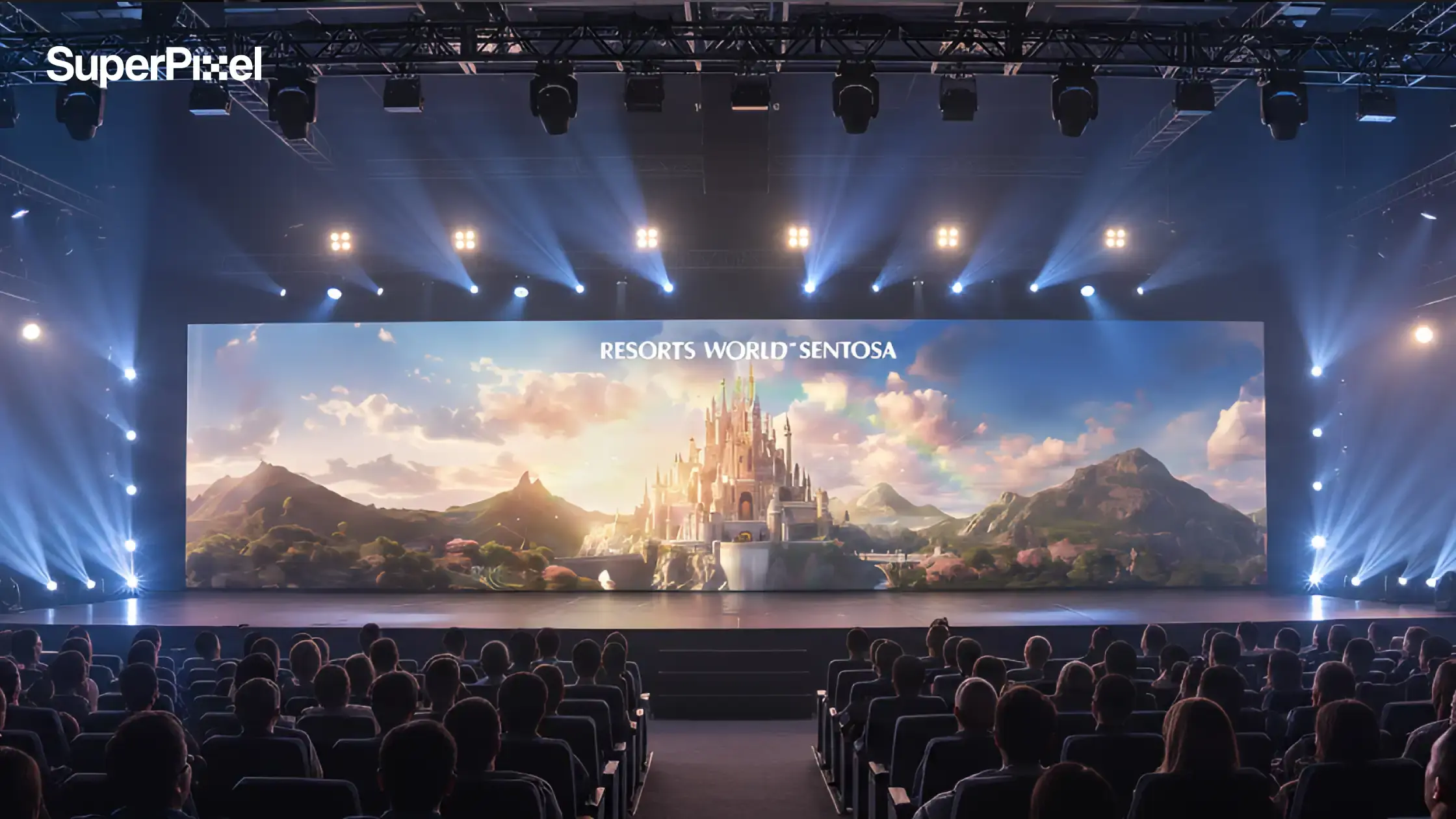
If you’ve ever watched a project stall because stakeholders “can’t picture it,” you already know the real problem: it’s not design.
It’s decision clarity. In high-value developments, commercial fit-outs, and big-budget launches, photorealistic rendering services often sit right in the middle of alignment, approvals, and momentum.
Key takeaways
- Photorealistic renderings reduce ambiguity for investors, regulators, and internal teams
- One 3D asset can support sales, tender decks, leasing, and digital channels
- Better visuals shorten approval cycles by cutting repetitive “clarification meetings”
- Early visual validation helps catch costly design risks before construction
- Rendering ROI shows up in speed, fewer revisions, and stronger stakeholder confidence

So, what is photorealistic rendering?
Photorealistic rendering is a 3D computer graphics technique that creates realistic images by simulating real-world physics:
- Light spreads and bounces (not just “bright vs. dark”)
- Shadows fall based on the light source and object shape
- Materials react like they do in real life (wood, metal, glass, fabric)
- Textures look solid, detailed, and consistent from different angles
That’s why the final result feels “alive,” not like a plastic-looking 3D model.

Why photorealistic rendering services became a business standard
A few years ago, a floor plan, a couple of elevations, and maybe a physical model were enough to get a room nodding.
Today, a lot of client approvals happen inside Zoom calls, shared PDFs, and fast-moving stakeholder groups spread across regions. Different time zones. Different priorities. Different levels of technical knowledge.
That shift makes a huge difference. And I’ve seen this up close: when the room can’t “see” the same outcome, decisions slow down. When everyone shares the same visual representation, decisions move.
The shift to digital-first decision making
For teams managing architecture projects across various industries such as property developers in real estate, hospitality, retail rollouts, and infrastructure that visuals don’t just “show the design.” They become the shared reference point for real decisions:
- Investor approval: risk, feasibility, market readiness, and whether the plan feels credible in real life
- Internal alignment: development, marketing, ops, procurement—all looking at the same accurate representation
- Real estate marketing and leasing: building confidence with potential buyers and potential clients before construction begins
This is why real estate marketing strategy increasingly starts earlier than ever. If your marketing materials and client presentations can’t communicate the finished space, the project feels hypothetical.
But when you have photorealistic imagery, the kind that reads like a “real place” suddenly the conversation changes from “I’m not sure what this will look like” to “Which option are we choosing?”
I’ve been in review sessions where one realistic image removed three rounds of debate. Same budget. Same timeline. Same design process. Completely different clarity.
From “visual asset” to “business tool”
A strong architectural rendering isn’t just a pretty picture. It behaves like a decision interface. It helps stakeholders pressure-test design ideas and design concepts quickly without waiting for expensive physical work.
It answers the questions that 2D drawings rarely settle fast:
- What will people actually experience at eye level in real life?
- In this lighting setup, do premium finishes still read premium?
- Does the interior design support the operational flow we’re promising?
And this is where the “how” matters. High-end 3D rendering isn’t magic, it’s a repeatable rendering process handled by skilled professionals who know both the creative and technical aspects.
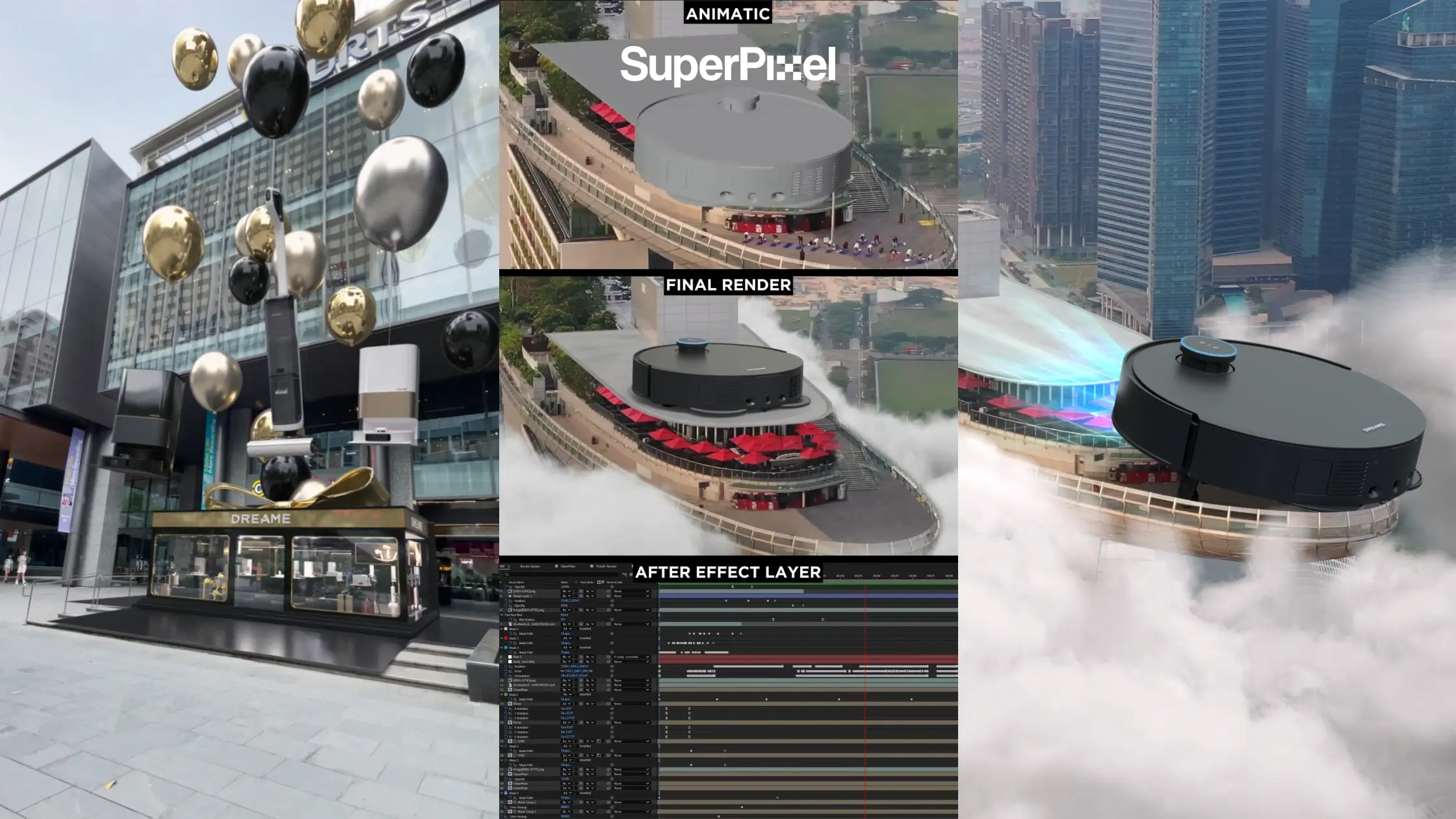
Architectural visualization services: turning plans into profitable decisions
A floor plan is accurate. It’s also abstract.
Executives and non-technical stakeholders don’t live in sections and elevations. They live in trade-offs: time, risk, positioning, and ROI.
Beyond the blueprint
Architectural visualization services translate technical intent into a story that decision makers can evaluate quickly:
- Scale feels real
- Sightlines make sense
- Context lands (street view, skyline, surroundings)
- Usage becomes legible (entries, queues, circulation, signage zones)
If you’ve ever tried to “sell a vision” with a line drawing, you know the friction. Photorealistic visuals cut that friction.
Reducing ambiguity for high-stakes stakeholders
Investors, regulators, city planners, and partners often ask the same question in different words: “Are we sure this will work the way you’re claiming?”
Photorealistic renderings help replace assumption with evidence. They make approvals less about imagination and more about evaluation.
Stakeholders like city planners, zoning committees, and investors gain a clearer understanding of a project through photorealistic images, which can increase support and approvals.
Interior rendering services: precision that closes gaps between intent and experience
Interior decisions are where brand perception gets built or broken.
Many teams treat interiors as “the design team’s domain.” Yet interiors are often where commercial value is created: conversion rates, dwell time, tenant satisfaction, perceived premium.
Why interior rendering matters at executive level
Interiors affect:
- Willingness to pay (premium feel, comfort, trust cues)
- Brand credibility (does the space match the promise?)
- Operational flow (crowding, service routes, queue logic)
Interior rendering services make those effects visible before money is locked into site works.
Material accuracy builds confidence
Material calls are expensive decisions.
A photorealistic interior render can show if the marble reads cold, if the wood tone clashes with lighting, or if fabrics feel “luxury” or “budget” at a glance.
The point that you can begin marketing earlier while the physical build takes time, using visuals and packages like interior renderings, exterior renderings, virtual tours, and animated video.
Lighting is a sign-off accelerator
Lighting debates are notorious. Too warm. Too sterile. Too flat.
Realistic lighting in renders does something practical: it helps stakeholders stop guessing. Once people can see atmosphere, they can approve or revise with confidence.
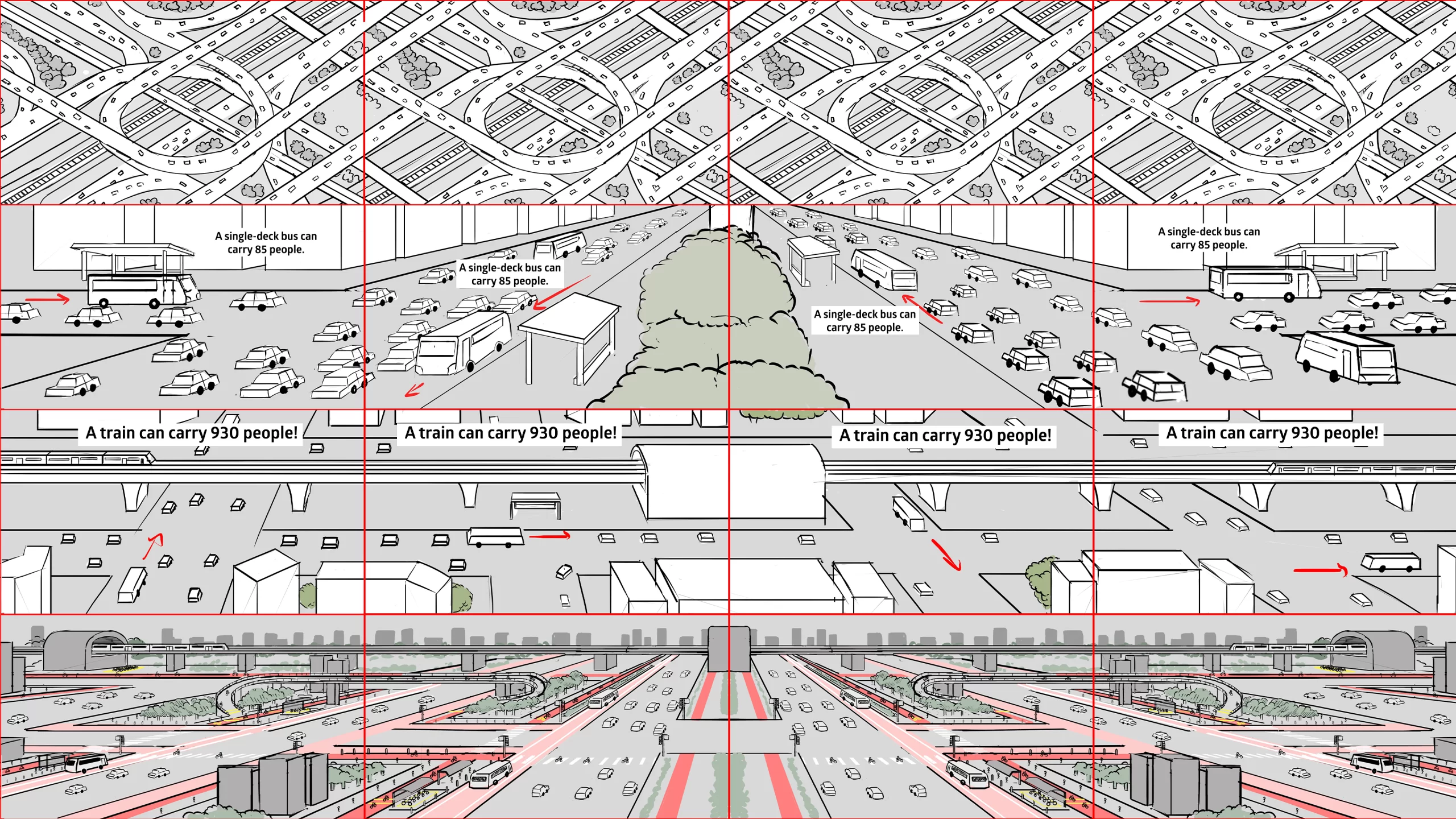
How I create photorealistic 3D renderings (and why it works)
As an animator, I learned early that realism isn’t about adding more “detail.” It’s about getting the right details to behave the way they do in real life.
Photorealistic work is the same. If you nail the foundations, you get compelling images that feel believable and that’s what turns a render into a tool for decisions, not decoration.
1) Start with the basic shape (then earn the detail)
I always block things out with a clean basic shape first. Why? Because proportions and silhouette carry the scene. If the foundation is off by 2%, no amount of fancy material will save the final image.
Then I build up:
- correct scale and spacing
- believable edges (real objects aren’t razor sharp)
- functional details that match how the thing is actually used
For interior designers, this step is where flow, circulation, and focal points begin to read properly.
2) Texture like a product, not a pattern
Textures aren’t wallpaper. They’re material behaviour. If I’m doing product design work or anything meant for e commerce, I treat texturing like the moment a product designer decides how something should feel in-hand.
To get high quality rendering, I focus on:
- correct roughness/reflectivity (metal vs plastic vs fabric)
- subtle imperfections (wear, fingerprints, slight variation)
- consistency across surfaces so it doesn’t look “copy-paste”
Those tiny decisions are what make the render feel expensive—without making it overworked.
3) Lighting is the main character
In animation, lighting tells the audience what to feel. In photoreal rendering, lighting decides whether the scene looks real or fake.
I build lighting to match the context:
- soft daylight vs harsh noon
- interior ambient bounce vs spotlight accents
- realistic shadow softness and falloff
For interior designers, lighting is often what sells the mood and helps clients approve faster during design iterations.
4) Rendering: where it all gets judged
Rendering is basically the “truth serum.” Once you hit render, you see what holds up and what collapses.
This is also where teams love the many advantages:
- you can test options quickly
- you can fine tune materials and lighting without physical waste
- you get a cost effective solution compared to revising after build starts
And yes, the goal is always the same: a clean final image that communicates instantly.
5) Post: polish, don’t fake
Post-processing should enhance clarity not invent reality. I’ll adjust:
- contrast, exposure, color balance
- sharpness and depth cues
- small cleanups so the image reads better in decks and proposals
The output should still feel honest, just more presentation-ready when the final product will be used for stakeholder decks, launches, or sales pages.
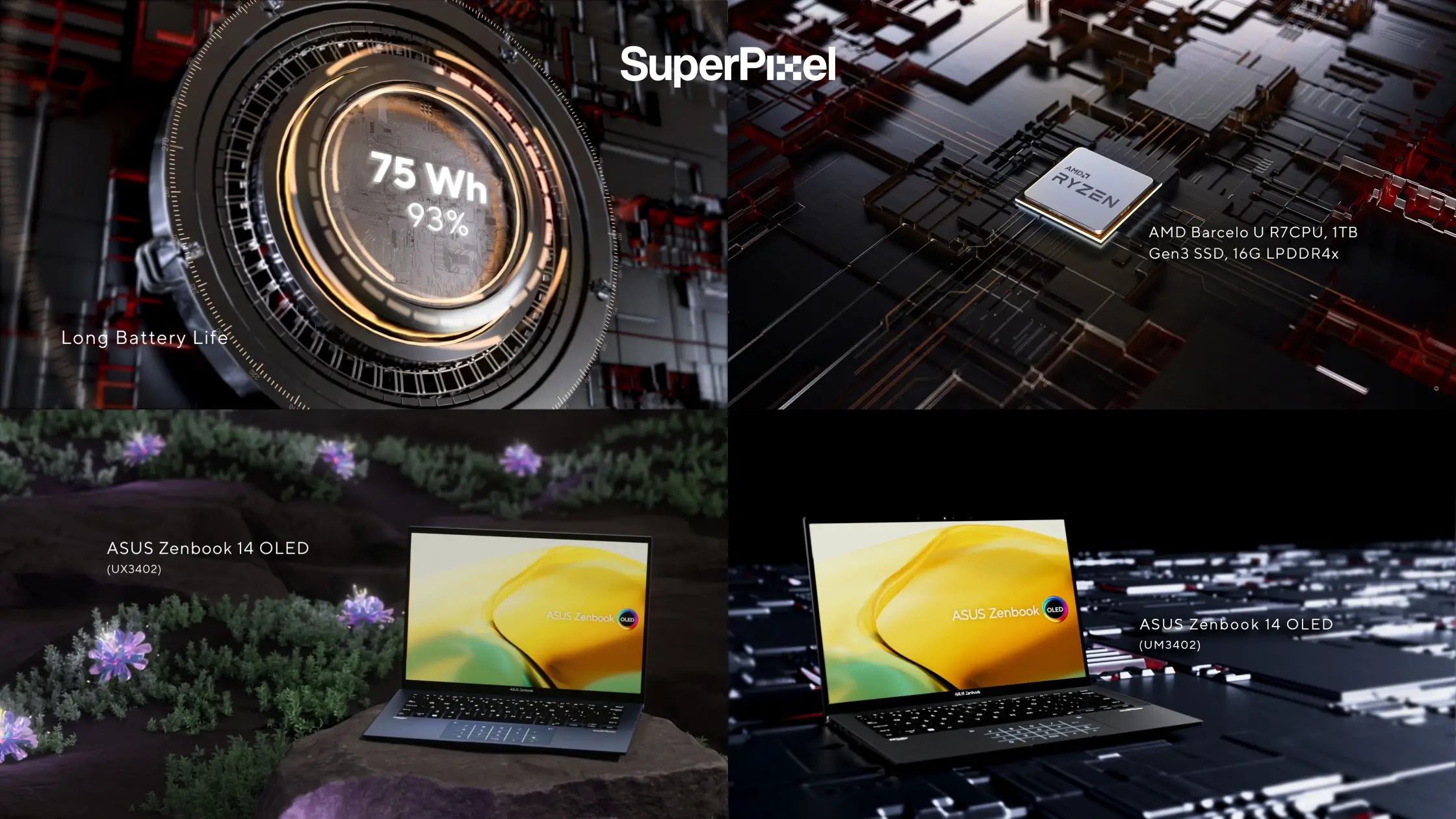
Integrating photorealistic rendering services into your B2B marketing stack
In practice, photorealistic rendering services become an indispensable tool for making faster, more confident, informed decisions across the whole business, when your stakeholder group is distributed and your project goals depend on clarity.
One asset, multiple channels
Here’s the part that most teams underestimate: one set of well-built digital models can produce a lot of output. Not just pretty pictures—real visual content that supports real decisions.
The same core 3d visualization work can support:
- Tender decks, stakeholder design presentations, and architectural competitions
- Website pages, leasing portals, and conversion-focused real estate marketing pages
- Sales decks, pitch videos, and internal alignment sessions
- Outdoor screens, launch events, and brand moments that rely on environmental context
Why quality matters (even for marketing)
If you’re going to reuse assets across channels, quality can’t be “good enough.” Marketing and sales don’t just need visuals.
That’s where photorealistic rendering techniques come in. A strong realistic rendering isn’t accidental. It’s the result of a consistent rendering process, typically involving:
- Clean geometry in your digital models
- Real-world lighting conditions, often built with HDRI lighting and a deliberate lighting setup
- Accurate light bounce via global illumination
- Material realism through high quality textures and the right response for specific materials
- A stable rendering engine pipeline that produces consistent output
- Post processing and post processing techniques that refine tone, contrast, and detail without faking the scene
That’s how you get realistic visualization that looks believable, not plastic. And that believability matters when stakeholders are using the visuals to judge feasibility, quality, and risk.
Virtual showrooms and remote selling
For distributed buyers and cross-border stakeholder groups, a render can function like a portable showroom. Not a gimmick. A practical tool.
When your product visuals or space visuals are strong enough, they help teams sell without needing the physical environment ready. That’s useful for:
- property developers selling before handover
- brands building pre-launch momentum
- teams managing real estate marketing strategy across multiple regions
This also scales into virtual reality when the project needs deeper confidence especially for complex builds, premium interiors, or high-stakes review sessions. A VR walkthrough can turn passive viewing into an immersive experience, which tends to lift customer engagement and reduce misinterpretation.
Two relevant examples from SuperPixel’s work
I’m a founding partner at SuperPixel, and my background is motion design and direction. Most of our work lives in motion, interactive, and immersive spaces.
Still, the business logic behind photorealistic rendering services shows up in our projects all the time: clarity, confidence, and speed.
Case study 1: Pacific Place Mall, Jakarta — Aquarium LED Screen Underwater World
What happened: A large LED screen became an immersive, lifelike underwater world using advanced 3D techniques.
Why it matters: This is what “one visual asset, many outcomes” looks like. A convincing visual environment created buzz and increased foot traffic because people trusted what they saw and wanted to experience it in person.
Business takeaway: High-fidelity realistic visualization reduces the gap between “interesting” and “worth a visit.” Better visuals create stronger emotional connection, which shows up as higher customer engagement.
Case study 2: Singapore City Gallery — Interactive Experience
What happened: Interactive 3D animations helped visitors explore urban planning narratives.
Why it matters: Urban planning involves complex trade-offs and diverse stakeholder groups. Making abstract ideas visible (and navigable) improved understanding and participation because people could evaluate outcomes, not just read about them.
Business takeaway: When complexity rises, visual clarity becomes a governance tool, not a design luxury. It supports better alignment, smoother approvals, and better final result.
A practical checklist: choosing the right photorealistic rendering approach
Before you commission anything, I’d ask a few simple questions. They keep projects aligned and prevent “pretty visuals, unclear outcomes.”
- Who is the primary decision maker?
Investor, regulator, tenant, internal leadership, end customer? - What decision must the visual unlock?
Budget approval, tenant sign-off, pre-leasing, tender win, internal alignment? - What is the minimum set of scenes that resolves uncertainty?
Lobby view? Street-level entry? Key interior hero shot? Night lighting? - What needs to stay editable?
Materials, lighting, signage, tenant mix, furniture packages? - Where will this asset live after approvals?
Website, leasing deck, sales enablement, on-site screens, virtual tour?
If you answer these, the rendering output becomes more predictable. And more useful.
The real ROI of photorealistic rendering services
Photorealistic rendering services earn their keep in four places:
- Speed: fewer approval loops
- Clarity: fewer misunderstandings
- Risk control: fewer late-stage corrections
- Scalability: one asset supports multiple teams and channels
Visual clarity is not a “nice-to-have” when projects carry real deadlines, real capital, and real reputational stakes.