Most people still see video as just “content,” but digital animation services in Singapore have become one of the most reliable ways to drive real marketing outcomes.
I remember working with a client in our Vancouver studio who was obsessed with colours and transitions until I asked, “What business result should this achieve?” They didn’t have an answer. And that’s the pain point many brands face: they focus on visuals but overlook the strategy.
After more than a decade working with Disney, government agencies, and fast-growing startups, I’ve learned one thing that powerful video doesn’t just capture attention; it converts attention into measurable business results.
Key Pain Points
- Businesses invest in video without a clear strategic objective.
- Messages get lost because the story isn’t aligned with customer needs.
- Teams underestimate pre-production, causing long revision cycles and wasted budget.
- Most brands track views instead of real indicators like conversions or customer value.
Understanding Digital Video in a Business Context
When I started SuperPixel, it became clear pretty quickly that digital video wasn’t just something you upload and hope it performs. Today, it’s one of the most strategic assets a brand can own.
I see it all the time when clients walk into the studio. They show me colours, transitions and style references, but the real question is always the same. What business result should this video create?
What I See with Clients
- Most people think about visuals first, not the outcome.
- Format, style and platform completely change how your audience reads your brand.
- Many leaders struggle to make their marketing stick, and video fills that gap.
Why Digital Video Works So Well
- More than eighty percent of CMOs admit they struggle with strategy, so storytelling matters more than ever.
- Digital animation, explainer videos and motion graphics combine clarity and emotion in a way static content just cannot.

How Digital Changed the Way Studios Like Ours Work
- I grew up working with analog systems, and honestly, once digital arrived, everything shifted.
- With digital, every scene becomes data, which means we can refine, copy and present work with zero quality loss.
- It opened the door for higher quality animation production, cleaner visual effects and tailor made content for presentations, advertising and websites.
What This Means for Brands
- You can present ideas with clarity and confidence.
- Your message lands faster because the story is easier to understand.
- Whether it’s sketches, drawings, motion graphics or full animated video production, digital gives you the flexibility to communicate with impact.
At the end of the day, that’s the real power of digital video. It doesn’t just make content look better. It helps brands communicate smarter and create stronger impressions that actually move people.
Technical Properties of Digital Video
Working across Singapore, Canada and Indonesia has taught me one consistent truth. Technical foundations define the professionalism of your final result as much as creativity does.
We are producing explainer videos, motion graphics, a whiteboard animation or a fully three dimensional animated video, understanding the technical backbone always influences clarity and impact.
Frame Rate Shapes Emotion
Frame rate is one of the first creative decisions that sets the tone of a video. A cinematic piece at twenty four frames per second feels different from a smooth sixty frames per second product showcase. Choosing the right motion profile helps the creative team control the emotional feel of each scene.
Resolution Determines Clarity
Moving from seven twenty to four K resolution changed how animation studios communicate ideas. Higher resolution makes details sharper and more convincing. This matters when visualising mechanical systems, products or training content. Larger files can slow workflow, which is why video compression becomes a crucial part of the video production process.
Compression and Format Support Efficiency
Digital formats give us the flexibility to edit, refine and collaborate across borders without quality loss. From initial sketches to the final presentation, having the right digital format ensures that the animation project moves smoothly and efficiently. Uncompressed files preserve every detail while compressed formats allow for easier transfer and review.
Technology Serves the Story
Equipment and software give us the tools, but strategy gives the animation meaning. At SuperPixel, we use these technical properties to support the message. Our animators and artists take ideas and transform them into scenes that feel clear, purposeful and easy to understand. Every drawing, visual effect and motion sequence is designed to help clients communicate with precision.
How Superpixel Applies These Principles
Our approach focuses on clarity, intention and craftsmanship.
Here is how it shows up in our day to day work.
- We use art direction, motion graphics and visual effects to translate complex ideas into visuals that audiences can understand instantly.
- Our creative team builds each animation with a tailor made approach, whether it is for a website, advertising campaign or internal presentation.
- Our animators transform sketches into polished animated content that feels alive and aligns with your objectives.
- We focus on message first so that the final result does more than look good. It delivers a clear impression and supports real business decisions.
Digital video gives brands the power to communicate with precision. When used well, it becomes a tool that supports strategy, reinforces identity and brings imagination into reality.
Strategic Uses of Digital Video for Business Growth
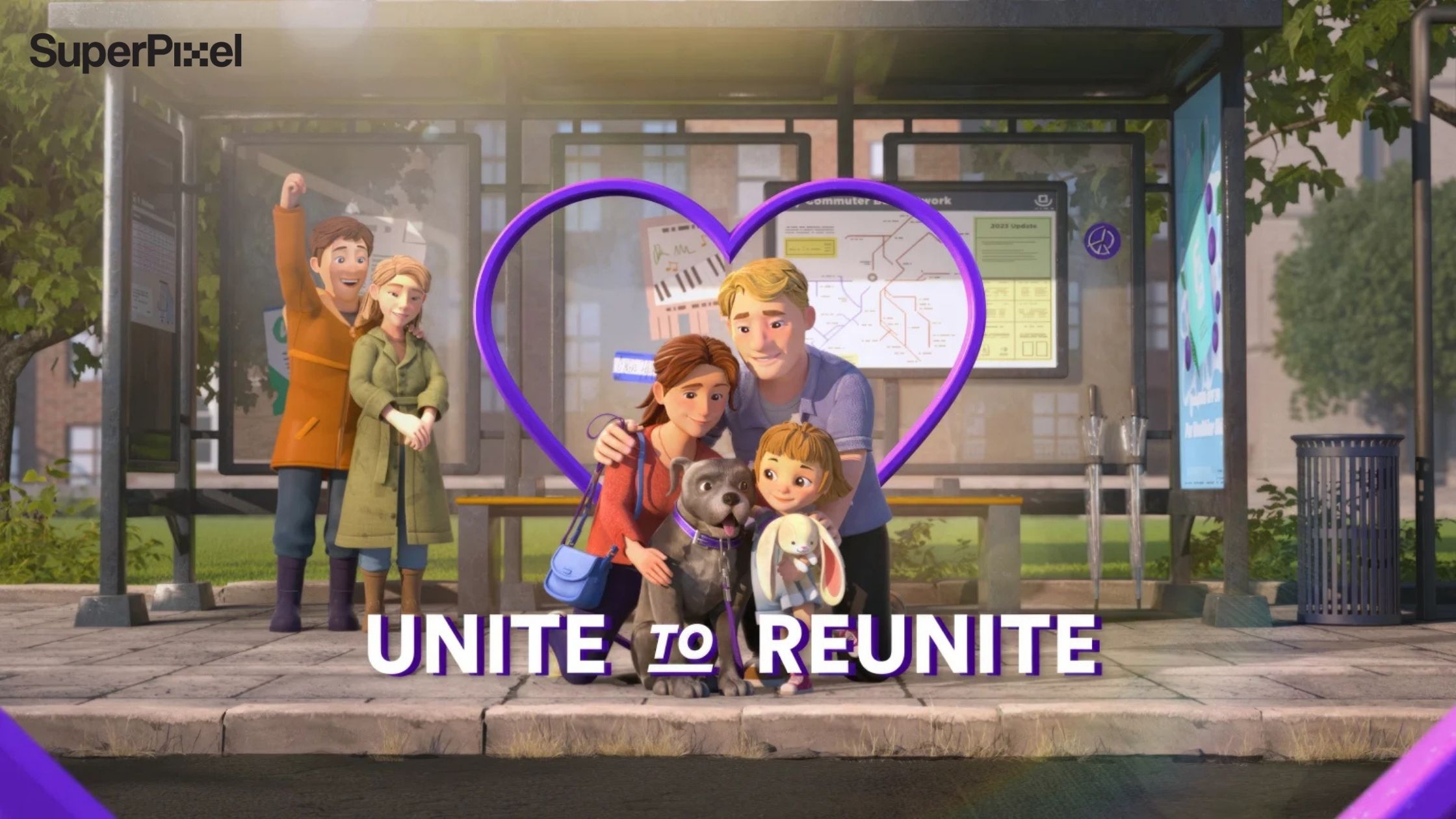
Building teams across three countries has taught me that no matter the market, storytelling drives loyalty. When we tackled the McDonald’s Family Mental Wellness campaign, we used heartfelt 2D animation to approach a sensitive topic.
Digital video also allows us to capture and edit footage of a live or recorded event, transforming it into impactful content that resonates with audiences. This didn’t just get views; it delivered a 40% increase in campaign awareness and 65% better message retention than their previous text-based materials.
What really made the difference was showing, not just telling. For an AIA Medishield Life explainer, we used a nostalgic 8-bit animation style to simplify complex insurance concepts.
The ability to edit digital video footage was crucial in refining and enhancing the final product. The result? A 60% improvement in consumer understanding and a 25% cut in customer service inquiries.
Creating a Digital Video Marketing Plan
After working on digital video campaigns for major brands across three markets, I’ve learned that a solid video marketing strategy starts well before filming.
Defining your goals upfront is crucial, it’s the difference between a pretty campaign and one that drives results.
For a Singapore client, shifting focus from specs to objectives like brand awareness or lead generation transformed our approach, impacting audience targeting and distribution. Choosing the right channels matters as much as the content itself.
Now, I’ll be honest that high-quality video production doesn’t have to break the bank but requires smart planning. Transitioning from unlimited budgets to smaller businesses taught me that compelling content beats expensive gear.
For a recent B2B campaign, we invested in good cameras, lighting, and editing software, but the real magic was in post-production, polishing the final product authentically.
The result? A 40% engagement increase and 25% boost in conversions. Success comes from using analytics to monitor views, engagement, and conversions, then refining based on real data.
If you’re starting out, remember every expert once balanced costs with results by build systems that deliver measurable outcomes, not just visuals.
Digital Video and Storytelling
Digital video has completely changed the way we tell stories, and I see it every day at SuperPixel. What used to take massive budgets can now be done with a camera, a laptop and a good plan.
What Digital Video Changed
- Creative freedom is much bigger today because digital tools let us experiment without limitations.
- Even small teams can produce broadcast level work with the right workflow.
- Storytelling is no longer restricted by equipment cost or old production barriers.
Where Great Storytelling Still Begins
- Pre production is everything. If your script and shot list are unclear, the entire project suffers.
- Planning saves time, money and headaches in post.
- The fundamentals never changed; only the tools got better.
Where the Story Truly Comes Alive
- Post production is where raw footage becomes emotion.
- Editors refine pacing, add sound, music, graphics and motion until the message feels right.
- This is what separates good content from great content.
Why Digital Storytelling Matters for Brands
- Brands can communicate with clarity and emotion without relying on huge productions.
- Digital workflows reduce cost and speed up delivery so you can ship content faster.
- With the right storytelling approach, even simple footage can feel cinematic and purposeful.
Digital video gives creators and brands the same superpower: the ability to turn ideas into stories that actually stay with people.
Digital Video and Branding
Three years into building my digital marketing consultancy, I hit a breakthrough moment that completely changed how I think about video content.
I remember sitting with a client in Singapore, looking at their latest campaign metrics, when it hit me – we weren’t just creating promotional videos, we were crafting brand experiences that would stick with customers long after they closed their browsers.
The technical side is straightforward enough when you’re dealing with standard MP4 and AVI formats, but here’s what those projects taught me: even the most polished video content falls flat if it doesn’t serve the brand’s authentic story.
Thanks to advances in compression technology, we can now distribute high-resolution content across multiple platforms without breaking the budget, eh? But the real magic happens when creative vision meets strategic thinking.
In working with brands across markets, I’ve learned that effective video marketing isn’t about flashy production but about driving real business results.
For a mid-sized B2B client, shifting focus from cameras and editing to how each frame supports business goals led to a 45% boost in brand awareness and 60% better lead quality.
Technical excellence grabs attention, but authentic storytelling keeps viewers engaged and moves the needle.
Best Practices for Digital Video Marketing
After years leading digital campaigns across different markets, I’ve learned that great video is never just about looking polished. It is about making the content connect. I’ve seen projects with perfect technical execution fall flat simply because the story wasn’t optimised for the platform or the audience.
What I’ve Learned Leading SuperPixel
- You can have stunning images, but if the first few seconds don’t hook someone, they’re gone.
- Every frame has to be designed with purpose because attention spans are brutally short.
- High quality doesn’t mean expensive equipment, it means thoughtful storytelling.
Technical Choices That Actually Matter
- Use universal formats like MP4 or AVI to avoid playback issues.
- Compress video properly to keep loading smooth without wrecking the quality.
- Good audio is non negotiable. I learned this the hard way early in my career when a beautiful video was dragged down by poor sound. Since then, clean audio has been my personal rule.
Why Distribution Strategy Is Half the Battle
- Where your video lives matters as much as how it looks. YouTube, Vimeo and social platforms each demand different optimisations.
- Uploading is not a strategy. Planning where your video goes multiplies reach and improves retention.
The Real Formula for Results
- Hit the fundamentals. Clear story, clean audio, compatible formats and optimised delivery.
- Once those are solid, your video consistently performs better, engages longer and drives real business outcomes.
At the end of the day, digital video succeeds when every detail supports one goal: helping your audience understand you faster and trust you deeper.
Common Mistakes to Avoid in Digital Video Marketing
After years running digital video campaigns across different markets, I’ve seen how even well-intentioned projects fall apart when the fundamentals are ignored. I learned many of these lessons the hard way while building SuperPixel.
Mistake One: Cutting Corners on Production Quality
In my early days, I once tried to save budget by using outdated gear. The client feedback was brutal. Poor lighting and weak footage don’t just look amateur; they weaken your entire brand message. Whether you are producing an explanatory video, commercials or internal content, quality signals credibility.
Mistake Two: Skipping Proper Planning
A solid script, storyboard and location plan are non negotiable. Without them, the whole task derails quickly. Good sense goes a long way here. If the foundation is unclear, even the most beautiful visual elements cannot save the final result.
Mistake Three: Underestimating Budget and Time
Quality equipment, production and post production all carry real costs. I’ve seen teams forget this and get blindsided halfway through. Clear budgeting keeps your project moving smoothly and avoids painful compromises.
Mistake Four: Ignoring Technical Delivery
Even great content fails if it doesn’t play properly.
Make sure every video is compressed correctly, formatted for smooth streaming and optimised for the platforms your audience actually uses.
Mistake Five: Not Tailoring the Message to the Audience
The biggest mistake I see is when teams create beautiful visuals but forget who they are speaking to. If the content isn’t built for the right audience or the right channel, the message never lands.
In my experience, avoiding these pitfalls is what separates videos that convert from videos that get ignored. When you plan properly, respect the craft and understand your audience, digital video becomes one of the most powerful storytelling tools your brand can use.
The Production Process that Delivers Results
After years leading productions across Singapore, Jakarta and Vancouver, I have learned that a strong process is what separates standout work from forgettable content.
At SuperPixel, we always start with one question. Why are we making this video. When the business objective is clear, everything else falls into place and our pre production becomes twice as efficient.
How We Approach Production at SuperPixel
- We align early on the message, audience and purpose to cut revision time significantly.
- We record high quality video and audio because clarity in the raw material always shows in the final result.
- We use a reliable digital workflow to manage files smoothly and maintain quality from the first draft to the final export.
- We move through each stage only when it is ready, because skipping steps wastes more time later.
Even with new trends like AI generated assets becoming popular, none of these tools replace strategic storytelling. A good workflow ensures the creative idea and business goal stay aligned from the first sketch to the final video.
Digital Video Production Tips and Tricks
Working on projects everywhere from Netflix collaborations to local brand explainers taught me what truly elevates digital video. It is not about the biggest budget. It is about thoughtful decisions at every stage of the process.
Tools That Actually Make a Difference
- A good camera with 4K capability creates sharper images that hold up on any screen.
- Choosing the right frame rate and resolution affects the emotional feel of the story.
- Smart video compression keeps files easy to share without losing quality.
Why Sound Matters More Than People Think
- Clean audio instantly makes your content feel premium.
- A simple upgrade in microphones or post production mixing can transform viewer engagement.
Post Production Is Where the Story Fully Takes Shape
- Colour grading sets the mood and makes the visuals cohesive.
- Editing ties the narrative together so each moment feels intentional.
Small Details Create a Big Difference
- Location, lighting and wardrobe choices shape how professional your video feels.
- Staying updated with industry trends keeps your creative approach fresh and relevant.
In my experience, when you combine strong fundamentals with a clear purpose, your digital video will not just look good. It will perform. It will convert. It will separate your brand from everyone else fighting for attention.
How We Use Digital Animation to Drive Real Marketing Outcomes
As someone who has led SuperPixel across Singapore, Indonesia and Canada, I’ve learned that great animation only matters if it moves a business forward.
Marketers don’t just need “nice visuals” that they need content that explains faster, convinces deeper and performs across multiple channels.
Below are three case studies that show how we turn creative work into measurable impact.
1. SGX Iron Ore Week
Turning Complex Industrial Systems Into Clear, Market-Ready Stories
When SGX approached us, their challenge was clear: simplify a highly technical commodity ecosystem for a global B2B audience in seconds.
What We Did
- Created a 3D animated industrial environment that mapped processes, material flow and system relationships with absolute clarity.
- Built an explanatory video designed for fast comprehension by using clean motion, readable sequences and purposeful visual elements.
- Tailored the animation for presentations, events and investor communication.
Why Marketers Love This
Marketers often struggle to communicate complex value propositions.
This animation made SGX’s message immediate, no lengthy explanations, no technical overwhelm.
2. CapitaLand Seasonal 3D Campaign
Creating Visual Experiences That Drive Traffic and Social Buzz
CapitaLand needed seasonal campaigns that did more than decorate a space. They needed digital content that stopped people, sparked sharing and elevated brand perception.
What We Did
- Produced high-end 3D animation featuring POP Mart and Disney characters in lively, emotional scenes.
- Designed visuals optimised for giant LED displays and cross-platform digital use.
- Crafted a motion experience that feels festive, premium and impossible to scroll past.
Why Marketers Love This
People don’t just watch this kind of content that they photograph it, repost it and help your brand travel organically.
3. EcoClean Engine Additive Animation
Making the Invisible Visible for Stronger Product Marketing
EcoClean needed to visually demonstrate how an engine additive works that something even technical audiences can’t normally “see.”
What We Did
- Built internal mechanical and chemical visualisations showing flow, friction reduction and performance gains.
- Used subtle visual effects to show cause-and-effect clearly.
- Turned technical data into a story marketers could confidently present.
Why Marketers Love This
If your product works inside a machine or system, animation becomes the only way to truly show value.
Your Next Steps with Digital Video
If there’s one thing I’ve learned after building SuperPixel across Singapore, Jakarta and Vancouver, it’s this.
Digital video is one of the most powerful growth engines a business can use today. Not because it looks good, but because it aligns teams, clarifies your message and drives measurable results.
If you’re ready to turn video into your highest-performing marketing channel, the first step is simple. Think strategically and understand what your investment can achieve.
To make that easier, we built a cost estimation calculator that gives you a clear project range based on your needs. You can explore it here: https://offer.superpixel.studio/calculator/
Let’s create video content that moves your business forward that not just your audience.
Frequently Asked Questions About Digital Animation Services
1. How much do digital animation services usually cost?
Pricing depends on the style, complexity and scope of your animation project. A simple animated video production can start around five thousand dollars while a high fidelity 3D film with motion graphics and visual effects can climb past one hundred thousand. The best approach is always to match the investment to the business outcome you need.
2. Should I choose 2D or 3D animated video for my brand?
It depends on your message. 2D animation is fantastic for emotional explanatory video content and storytelling while 3D animation is great for products, demonstrations and immersive brand moments. At SuperPixel, we recommend the style that serves the story not the other way around.
3. What makes a strong explainer video?
A good explainer thrives on clarity. When the pre production phase is solid your message becomes sharper your visuals feel intentional and your audience understands the value instantly.
The best explainer videos feel simple on the surface but are crafted with a good sense of timing pacing and structure underneath.
4. How do I know if my animated video is actually performing?
Skip vanity metrics. The real indicators are conversions call to action performance lead quality and feedback from your sales team.
If the video helps shorten conversations lift understanding or increase engagement then your animation production is doing its job.
5. How long does it take to produce an animated video?
Digital Animation Services in Singapore has timelines vary. A fast turnaround motion graphics piece may take three to five weeks while a full animated video with characters scenes and custom artwork may take two to three months.
What matters most is a clean pre production phase since this reduces revisions and keeps the final result on track.
6. What makes Superpixel different from other animation studios?
SuperPixel, as the professional animation studio in Singapore, combine creative strategy with production discipline. Every asset whether it is a scene concept or storyboard is designed to solve a business task not just look beautiful.
Our team of artists animators and storytellers focus on impact clarity and brand alignment which is why clients trust us with projects across markets.