
Cryptocurrency trading video services are not about hype or flashy promos. They exist to solve something much more fundamental.
If you’re running a crypto exchange or a trading platform, you don’t really have an “interest” problem. You have a confusion problem. And a trust problem. And, if we’re being honest, a support load problem that shows up the moment a user hits their first “error occurred” screen.
I’ve watched this pattern repeat across fintech-style products: users want to participate in crypto markets, but they don’t want to feel lost while doing it. That gap between interest and understanding is exactly where structured video education makes the difference.
Key takeaways
- Cryptocurrency trading video services reduce confusion during signup, deposit, and first-trade flows.
- Onboarding micro-videos can lower support tickets and improve activation in crypto exchanges.
- Risk and safety modules help users stay fully aware in extremely volatile cryptocurrency markets.
- Clear videos explain product access (spot, cfd trading, exchange traded products) without hype.
- Animation helps platforms communicate “institutional-grade” clarity for digital assets and custody narratives.
Strategy Concepts You Turn Into Safe, Visual Modules
Users want greater precision when crypto prices move fast, especially during volatile trading day conditions. That’s where structured video clarity matters.
Technical Analysis & Platform Tools for Trade Crypto
Technical analysis involves using charts and indicators to predict price movements. In video form, this becomes a simple walkthrough:
- Where charts live
- How market price updates against the us dollar
- How indicators appear
- How tools improve visibility
Traders can use advanced market scanners and risk management tools to make better decisions in cryptocurrency trading.
We visually show where those tools sit in your UI. No outcome promises. Just structure.
Risk Controls, CFDs & Leverage
Risk management includes learning how to set stop-loss orders and manage leverage in trading. This becomes a control-focused module explaining exposure, relevant for trading cfds and leveraged instruments.
Traders can take advantage of short-term volatility in cryptocurrency markets by using leverage. We show how small capital can control larger exposure and why that requires high risk tolerance.
Leveraged products in cryptocurrency trading can magnify both profits and losses. That reminder belongs in pre-trade screens.
For users unsure, many still consult an independent financial adviser or browse general finance context on the moneysense website. Education should stay neutral.
Long vs Short & Product Structure
Cryptocurrency trading allows investors to go long or short, enabling them to profit in both rising and falling markets.
We clarify long vs short visually, to prevent confusion between “sell” and “exit.”
Cryptocurrency ETPs provide improved accessibility and exposure to cryptocurrencies without the need to own the underlying assets directly.
This is ideal for explaining differences between:
- Spot exposure
- Derivatives
- Exchange traded products
- Unregulated products
Users also compare institutional models like fidelity crypto when assessing custody, legal tender distinctions, and protection differences.
Platform Onboarding Videos That Reduce Drop-Off
If you want a practical reason to invest in video, here it is: onboarding is where most platforms lose users.
I like to think of onboarding as a relay race. Every handoff matters. If one handoff is clumsy, the user drops the baton.
Here are the moments where short videos save real support time:
- Account creation + KYC
Users stall because they don’t know what’s required, how long it takes, or why it’s needed. A 30–45 second clip that shows the steps reduces confusion and repeat tickets. - Deposit and withdrawal
Users get nervous with money transfers in usd. A UI demo can show funding methods, expected processing times, and what “pending” means. - First order placement
This is where “buy/sell” becomes real. A short demo can explain market vs limit buttons, confirmation screens, and fees without teaching strategy. - Fees and spreads
People abandon when they feel surprised. A clean explainer can show where fees are displayed and how spreads differ from commissions. - “Error occurred” screens
These moments are pure friction. A micro-video can explain common reasons (connectivity, maintenance, compliance checks, insufficient funds) and what to do next without making claims.
Safety & Risk Education Videos for Cryptocurrency Markets
If you run a crypto exchange or trading platform, your safety content should focus on clarity for users entering crypto trading for the first time. Risk education is not about fear. It’s about making users fully aware before they trade cryptocurrencies.
1. Volatility & Market Risk
Cryptocurrencies have become known for their extreme fluctuations in prices.
In crypto markets, price movement can shift dramatically within a single trading day. That includes major assets like bitcoin (btc) and even forks such as bitcoin cash.
While cryptocurrency can be rewarding, it also comes with serious risks.
This is critical for beginners who are used to traditional financial markets like stocks and currencies.
Prices can change quickly, which means there is a chance of losing a large portion of your investment.
Especially when users misunderstand exposure for example, thinking they control only a small amount of money when they may actually be exposed to the full value of a position.
Your platform should clearly explain risks involving cryptocurrencies before users place trades.
2. Regulation, Protection & Market Structure
Because the market is still developing, crypto is less regulated than traditional financial systems, which increases the risk of fraud or scams.
Many users assume crypto works like related investment products in traditional financial markets. It does not.
Investors in crypto do not benefit from the same regulatory protections applicable to registered securities.
If you operate in a jurisdiction under a monetary authority (such as MAS regulations), users may assume the same legislative protection that applies to stocks or other regulated products. Your videos should clarify what is protected and what is not.
This distinction is important when users compare crypto trading with traditional financial markets.
3. Wallet & Private Key Reality
Some platforms have been hacked, and users who lose their private keys may lose access to their funds permanently. This must be explained clearly. Your safety modules should cover:
- What a crypto wallet actually does
- What a private key controls
- Why transactions cannot always be reversed
- What your platform can and cannot recover
Users who trade cryptocurrencies must understand this before sending bitcoin, btc, or bitcoin cash to any address.
4. What Effective Risk Videos Achieve
Strong safety and risk videos should:
- Set expectations before users engage in crypto trading
- Explain high risk features clearly
- Reduce confusion during falling markets
- Clarify exposure (small deposit vs full value risk)
- Align user expectations with how crypto markets actually work
No hype. No overpromising. Just structured clarity that builds long-term trust. That’s how platforms stay credible in crypto.
Cryptocurrency Trading Video Content
Users actively look for platforms that provide video content related to cryptocurrency trading including tutorials, market analysis, and strategy explanations. If your platform doesn’t provide this, they will learn elsewhere.
Why Video Matters for Trading Platforms
Video content improves information retention; learners retain approximately 95% of a message delivered via video, compared to only 10% when reading text. In crypto markets where price movement, leverage, and volatility shift quickly.
Video allows for step-by-step demonstrations of using trading platforms, which is more practical than written instructions. Instead of long text guides, you can visually show:
- How to place a trade
- Where fees appear
- How risk settings work
- What happens during market swings
That reduces hesitation and support tickets.
Institutional Example: Education as Infrastructure
Fidelity offers livestreams on cryptocurrency and blockchain topics. This signals that serious financial players treat education as part of the product, not just marketing.
Fidelity Digital Assets provides custody and trading services for cryptocurrency accounts. Access, custody, and education are connected.
For crypto exchanges and trading platforms, video education is no longer optional, it’s part of building trust.
Blockchain Technology Explained Without Jargon
If you want to reduce beginner confusion, you need a simple blockchain technology module. No jargon. Just one clean mental model.
Cryptocurrency markets are decentralized and operate across a network of computers, rather than being issued by a central authority.
That’s the foundation. From there, we show the concept visually:
- a network of computer nodes validating transactions
- a shared ledger update across the blockchain
- how an asset transfer gains confirmations
- why value moves without a central authority
It’s like a group of accountants all checking the same spreadsheet at the same time. If one computer lies, the others don’t accept it. Simple metaphor. Fast understanding.
Proof We Can Simplify Complex Things (Superpixel Case Studies)
I’ll keep this grounded in real work we’ve shipped for Web3 and fintech brands.
Case Study 1: Crypto.com – ManeCity Mobile Game Trailer
Client: Crypto.com
Project: ManeCity Mobile Game Trailer
What we did:
We took the client’s storyboard and character IP, built the characters in 3D (modeling, rigging, textures), placed them into a stylized cityscape environment, and produced a 60-second cinematic trailer across 24 shots.
We handled lighting, rendering, FX, and compositing to ensure the gameplay action stayed clear and engaging — even on small mobile screens.
Why this matters for crypto exchanges:
Clarity under motion is everything.
In crypto trading platforms, users scan fast. They swipe fast. They judge fast. If your UI demo, feature launch, or derivatives explainer doesn’t “click” instantly, attention drops.
For Crypto.com, we turned complex in-game mechanics (attacks, defenses, rhythm shifts) into structured, readable beats. The same approach applies to:
- Explaining leverage visually
- Showing price movement and liquidity changes
- Demonstrating spot vs derivatives flows
- Clarifying BTC vs other assets like bitcoin cash
Fast action. Clean structure. No confusion.
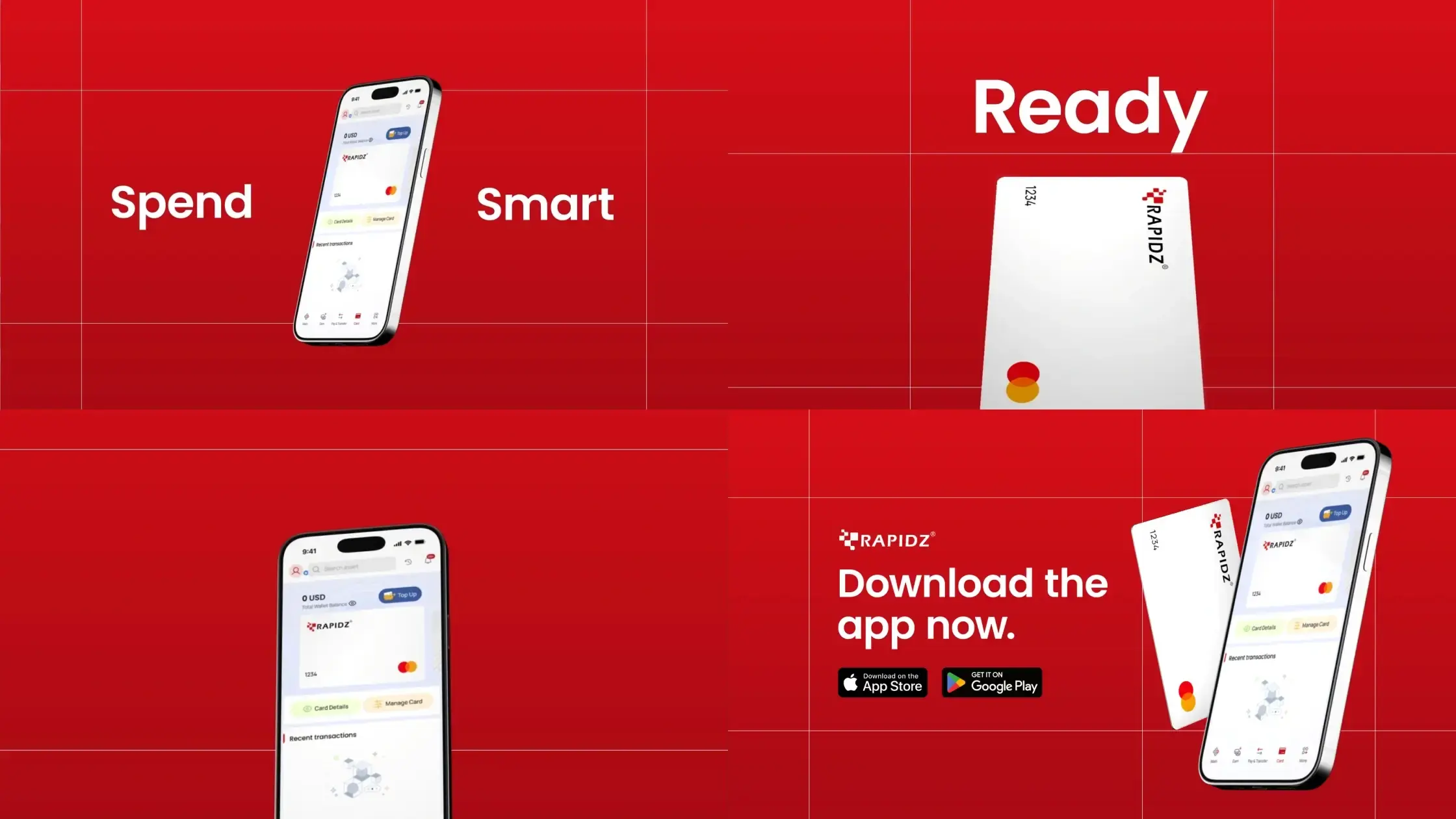
Case Study 2: Rapidz – Stadium LED Motion Graphics
Client: Rapidz (Web3 Payment Solutions Provider)
What we did:
We created stadium LED motion graphics under strict “image-ad only” rules, brand name and logo only. No promo claims. No benefit statements. No complex messaging.
We focused on:
- Clean layout
- Strong visual hierarchy
- Crisp card presentation
- Clear directional cues
All optimized for massive LED screens.
Learning Ecosystem: Where Users Already Watch
Your users are already learning about crypto trading before they even open your trading platform. They learn in 3 main places:
1. Open Video Platforms (YouTube & Creator Channels)
YouTube remains the primary medium for free, visual crypto education, offering everything from technical analysis to fundamental project reviews.
Coin Bureau is widely recognized for in-depth, unbiased, and beginner-friendly reviews of projects, DeFi, and blockchain technology.
Many creators explicitly state that their cryptocurrency videos are for educational purposes only, not for financial advice.
Users are forming opinions about crypto markets, bitcoin, btc, and other digital assets before they ever touch your platform.
If you don’t provide structured, platform-specific education, they rely on third-party narratives.
2. Structured Course Platforms (Udemy, Coursera, Premium Communities)
Udemy features highly-rated practical courses, including ‘The Complete Cryptocurrency Investment Course’ with over 12 hours of on-demand video.
Coursera hosts specialized masterclasses from elite institutions covering blockchain strategy and DeFi infrastructure.
Cryptonary offers premium 9-module, expert-led video courses and community support, aimed at taking users from beginner to intermediate.
Bite-sized learning through video supports on-demand lessons ideal for busy schedules or specific skills.
There is demand for structured, step-by-step learning, not just short clips. Users want clarity before they invest money in crypto trading.
3. Exchange-Owned Education Hubs (Integrated Ecosystems)
Binance Academy is a vast, multilingual repository of educational content covering everything from basic cryptography to advanced smart contract auditing.
Bitget Academy offers over 1,000 articles and video tutorials specifically updated for 2026, featuring a ‘Unified Exchange’ model for integrated learning.
Interactive Brokers provides webinars regarding cryptocurrency.
Traders’ Insight from Interactive Brokers includes market-related articles and commentary on cryptocurrency.
Video content related to cryptocurrency trading includes tutorials and market analysis.

FAQs
1) What drives the price of cryptocurrency trading video services?
Scope, number of modules, complexity of UI demo animation, and whether you need 2D, 3D, or mixed formats.
2) How long does production usually take?
A small onboarding micro-series can take a few weeks; a full education library often runs in phases with milestones and approvals.
3) Should we choose 2D or 3D?
2D is often faster for concept explainers and safety modules. 3D can work well for product polish and brand perception. Many platforms use both.
4) How do you keep scripts compliance-safe?
We write educational modules focused on mechanics and risk disclosures, avoiding recommendations. We also structure approvals so your legal team can sign off early.
5) How many onboarding videos do we need?
Start with 6–10 micro-clips: signup, KYC, deposit, first order, fees, withdrawal, wallet safety. Expand based on support tickets.
6) How do we cover leveraged instruments responsibly?
Explain what leverage is, show how it changes exposure, and repeat risk warnings. No “how to win” framing.
7) How do we explain ETPs without confusing users?
Use a single clean narrative: exposure vs owning underlying coins, what the product holds, and what the user can expect.
8) What should a crypto wallet safety module include?
Private key basics, phishing examples, address checks, confirmation expectations, and what support can’t reverse.
9) Can we localize videos for different markets?
Yes. We plan for subtitles, voiceovers, and localized UI captures while keeping core visuals consistent.
10) Do we need cutdowns for ads and app surfaces?
If you want adoption, yes. Short clips work well as in-app nudges, help center previews, and email support links.