Brand Mascot for Your Marketing Strategy in Singapore is often only considered when marketers start asking a familiar question, “Why does our content not stick?” This is a conversation I have regularly.
Campaigns are running, budgets are spent, and visuals look polished, yet the brand still feels forgettable. In most cases, the problem is not the product or the message. The brand simply lacks a character that audiences can connect with.
As the CEO of SuperPixel, I have seen how a well designed and animated mascot helps brands communicate like a human rather than a static logo.
Today, we’ll be discussing brand mascots and how to use them to bring your products to stand out.
Brand Mascot
A brand mascot is a character created for a company to define their brand’s identity or act as the brand avatar, or also your company’s representative. This character may be used in your company’s logo or in various marketing materials you use for your products or services, digital and print.
Mascot origins from the French word “mascotte”, which means lucky charm. Mascots are believed to be the conveyer of good luck and positive energy for years.
This fact strengthens the popular use of mascots in the design for user experience and marketing goals, as they bring a direct connection to conversions and profit by drawing positive feedback and emotional appeal.
A good brand mascot may help products to build effective communication with users. Usually, mascots are derived from objects, animals, people, or fictional characters which can be applied in logos, icons, websites, merchandise, and even mobile applications.
In addition, a brand mascot gives a broader horizon of personification for your business that works more effectively than product endorsement by a famous person.
A catchy mascot creates a memorable and recognizable visual that bears the brand identity. This brand mascot also acts as an enhancer of communication between a brand or product with its audience.
Also read: 5 Examples of Creative Brand Video and Why You Need One!
How to Use Mascot in Your Marketing Strategies
Here are several essential steps you must go through to create a great mascot for your brand.
1. Choose the right type of mascots – characters and personality
There are several types of mascots you can choose for your brand marketing.
- Human Characters
Human characters as a brand mascot are used by some brands hoping to make the designs more interactive and relatable, as it is represented by a real person.
- Humanized Animals
This kind of character is often used by family-focused consumer brands or brands whose targets are kids. Humanized animals are easy to animate and often linger in the viewer’s mind as it is unique and unforgettable.
- Humanized Products
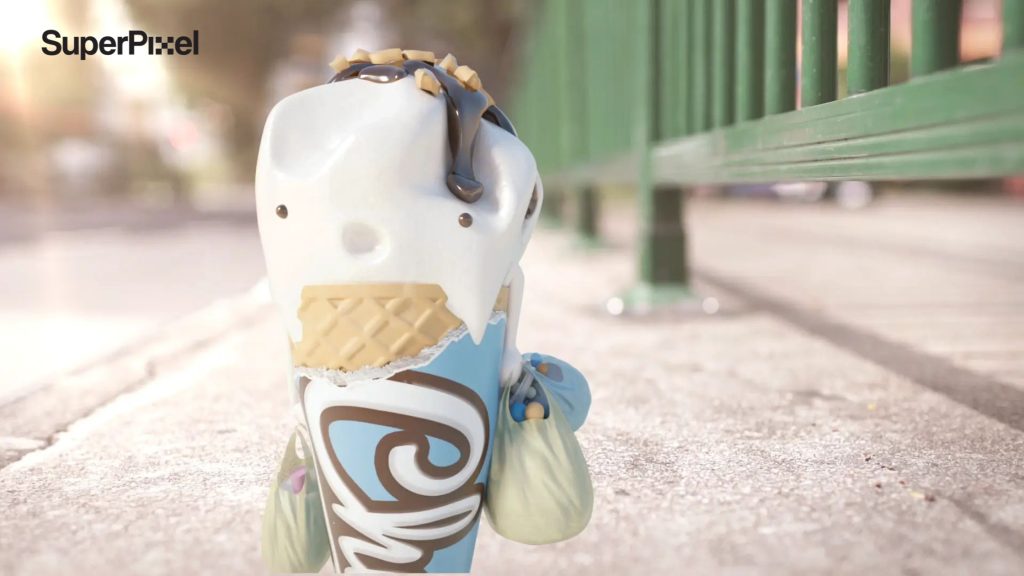
Humanizing your product might be the easiest way to convey your message directly to your target audience. This type of character piques the viewer’s interest as brands can have their products do the things humans do, such as talking, walking, etc.
In choosing the right type of mascot for your brand, you should first consider the type of audience your brand is reaching. A humanized character might be more appealing to a kid rather than a human character.
You need to carefully choose the type of mascot and the color schemes or any other elements you use in your brand, which depends on the audience you’re targeting despite the fact that every type of mascot works well with all types of audience.
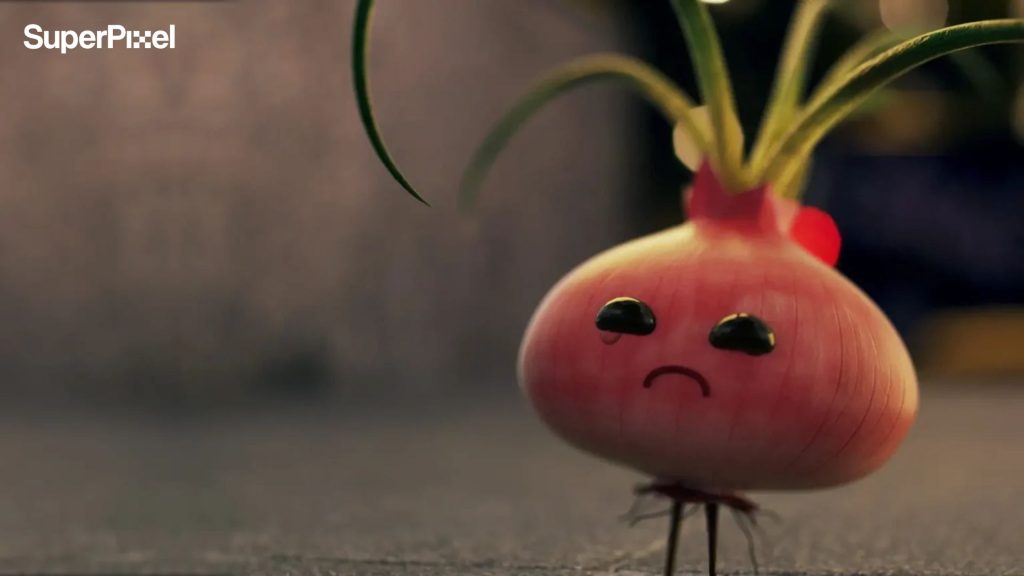
After you choose the right type of mascots or characters you’re going to use for your brand marketing, you should also define your character’s personality. Your mascot may be sweet, funny, sarcastic, or even have all these three characteristics combined.
The position in which the character will communicate with your audience is necessary to determine. Your mascot may become a teacher or a student. A mascot as a teacher teaches the audience about the niche and services. Whereas if you make your mascot as a student, then your character will learn about the products or services along with the audience.
2. Arrange Your Visual and Content Marketing Strategy
By creating a rough visual and content arrangement in advance, you may elucidate what you need and plan a better budget.
Firstly, you may need to think about the story of your character. This may help you to have a lot of creative content ideas and help with your content plan. Start building your character’s adventures with a few pinpoints. Starting from here you’ll start having creative ideas on how to develop your character.
Then, use your character, both for your website, blog posts, social media, or even video content. You can either use your character in the then images on your website or let your character be the teacher who provides your audience with valuable information.
You can also use your mascot as a profile image for your social media page, cover image for your Youtube channel, etc. Using your character on your profile or thumbnails help your brand to be more recognizable when people scroll through their feed.

3. Choose The Poses and Actions of Your Character
Before deciding what kind of pose and action, or emotions your character will bear, you must first find out how you want to use your mascot.
There are some emotions you can consider for your mascot to express. You should suit these emotions to the personality that you created for your character.
Your character should also pose and act according to the context you’re using it for. Outfits and scenes can also help you put your brand mascot in various contexts and make your character look more alive.
This cute and grumpy antibiotic pill created by SuperPixel is a good example of a brand mascot. This project is aimed to inform the general public that “Antibiotics kill bacteria, but do not kill the flu viruses.”
Humanising Brands Through Mascots
Hopey Mascot for 365 Cancer Prevention Society
When we worked with 365 Cancer Prevention Society, the challenge was not about creating a cute mascot. The real challenge was trust.
As a nonprofit dealing with cancer prevention, their message had to be handled with sensitivity. It could not feel cold, clinical, or distant. Through animation, we introduced Hopey, a sunflower mascot designed to communicate hope, care, and reassurance without saying too much.
From my perspective as CEO of SuperPixel, this project reinforced why mascots work so well when animated properly. Hopey was not just a character. She became a guide.
By following the story of a young girl and her grandmother, audiences were gently led into conversations about prevention, education, and collective responsibility. The mascot allowed the message to feel human, memorable, and emotionally safe to engage with.
Arlo and Ranger Buddies for Mandai Wildlife Reserve
For the Ranger Buddies programme by Mandai Wildlife Reserve, we were tasked with a different challenge. How do you talk about climate change to children without losing their attention or overwhelming them?
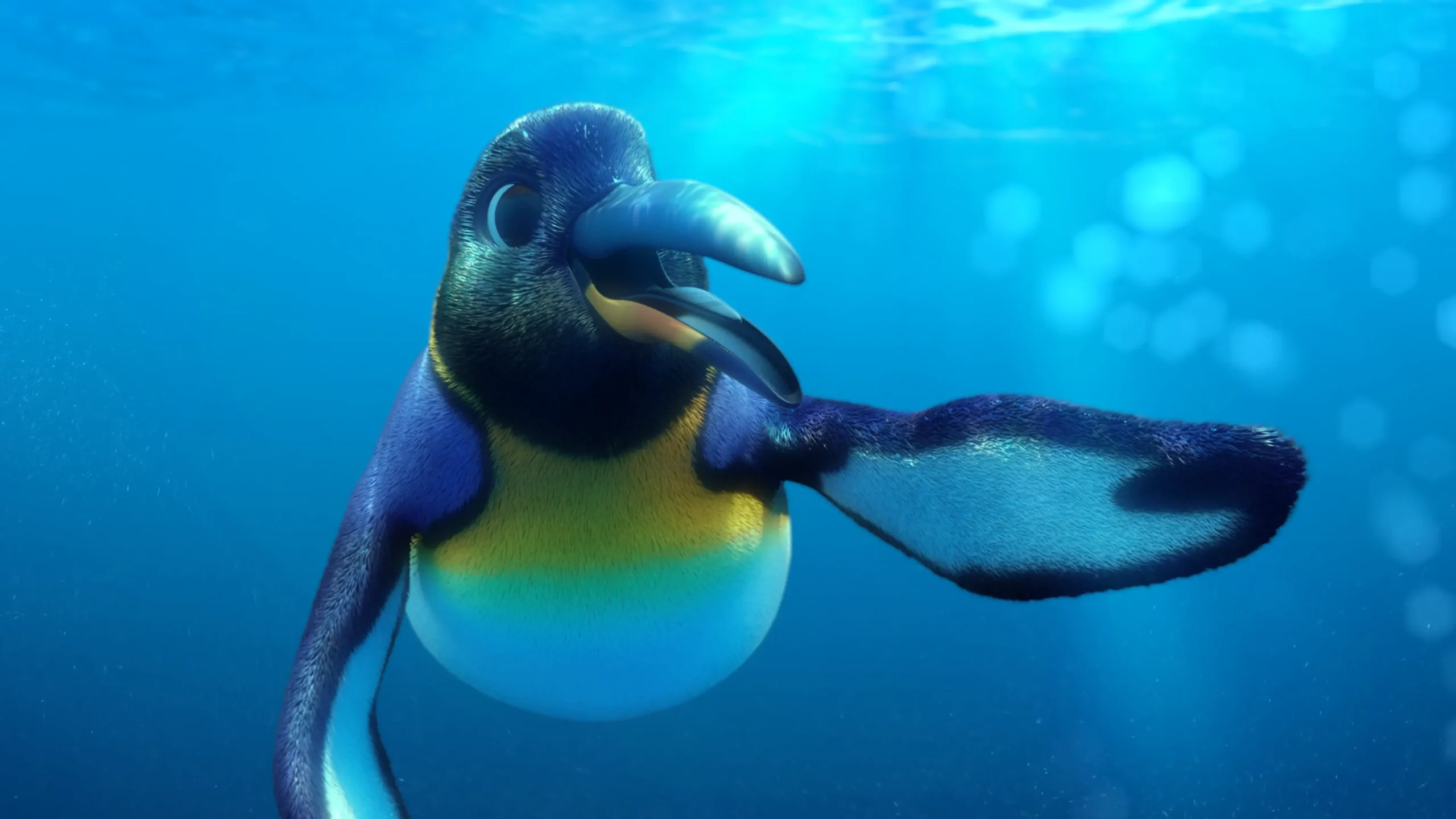
The answer was Arlo, a king penguin mascot brought to life through 3D animation. Instead of explaining global warming through facts alone, we built a mission driven story where children follow Arlo as he tries to protect his family in Antarctica. The environmental message becomes personal, emotional, and actionable.
As someone who has worked with many educational and public sector brands, I have seen how animation driven mascots create long term impact.
Arlo works because he gives young audiences someone to care about. When children care about a character, they care about the message. That is where learning begins, and that is where animation becomes a powerful marketing and communication tool.
Ready to Give Your Brand a Character?
If your campaigns are running but your brand still feels forgettable, the issue may not be content volume. Most of the time, it comes down to connection. People remember characters, not just visuals.
As CEO of SuperPixel, I have seen how a well designed and animated mascot helps brands communicate in a more human way. A mascot gives your brand a voice, personality, and consistency across every platform where your audience meets you.
If you are exploring Brand Mascot for Your Marketing Strategy in Singapore, it usually starts with a simple conversation. We help brands turn ideas into characters that work across videos, digital platforms, and long term campaigns.
Let’s build a mascot that actually speaks for your brand!
Frequently Asked Questions
1. Why should brands use a mascot in marketing?
A mascot gives your brand a human touch. It helps audiences remember your message and build emotional connection beyond logos or static visuals.
2. Is a brand mascot only suitable for children-focused brands?
No. Mascots work for B2B, public sector, and corporate brands when designed with the right personality, tone, and storytelling approach.
3. Why use animation instead of static mascot designs?
Animation allows mascots to express emotions, actions, and stories. This makes messages easier to understand and more engaging across platforms.
4. Can a mascot be used across multiple marketing channels?
Yes. A well designed mascot can be used in videos, websites, social media, presentations, and even internal communications.
5. How long does it take to create an animated brand mascot?
Timelines depend on complexity, but most projects start with strategy and character design before moving into animation and content rollout.