Safety training animation services in Singapore often starts with the same problem. How many times have your workers sat through a safety induction video, only to zone out five minutes in?
We’ve all seen the grainy, dated footage from the 90s that feels more like a chore than a life saving lesson. When training is hard to follow, full of jargon, or too long, the message gets lost. And in workplace safety, missed details turn into real risk.
At SuperPixel, we treat safety content like a communication system, not a checkbox. We turn your SOPs, risk assessments, and site rules into short, clear animations that show what to do, what not to do, and why it matters.
Whether you’re managing a construction site in Jurong or a lab in Biopolis, your safety training should be easy to understand, easy to repeat, and easy to update when procedures change. Your SOPs deserve better than a dry PowerPoint.
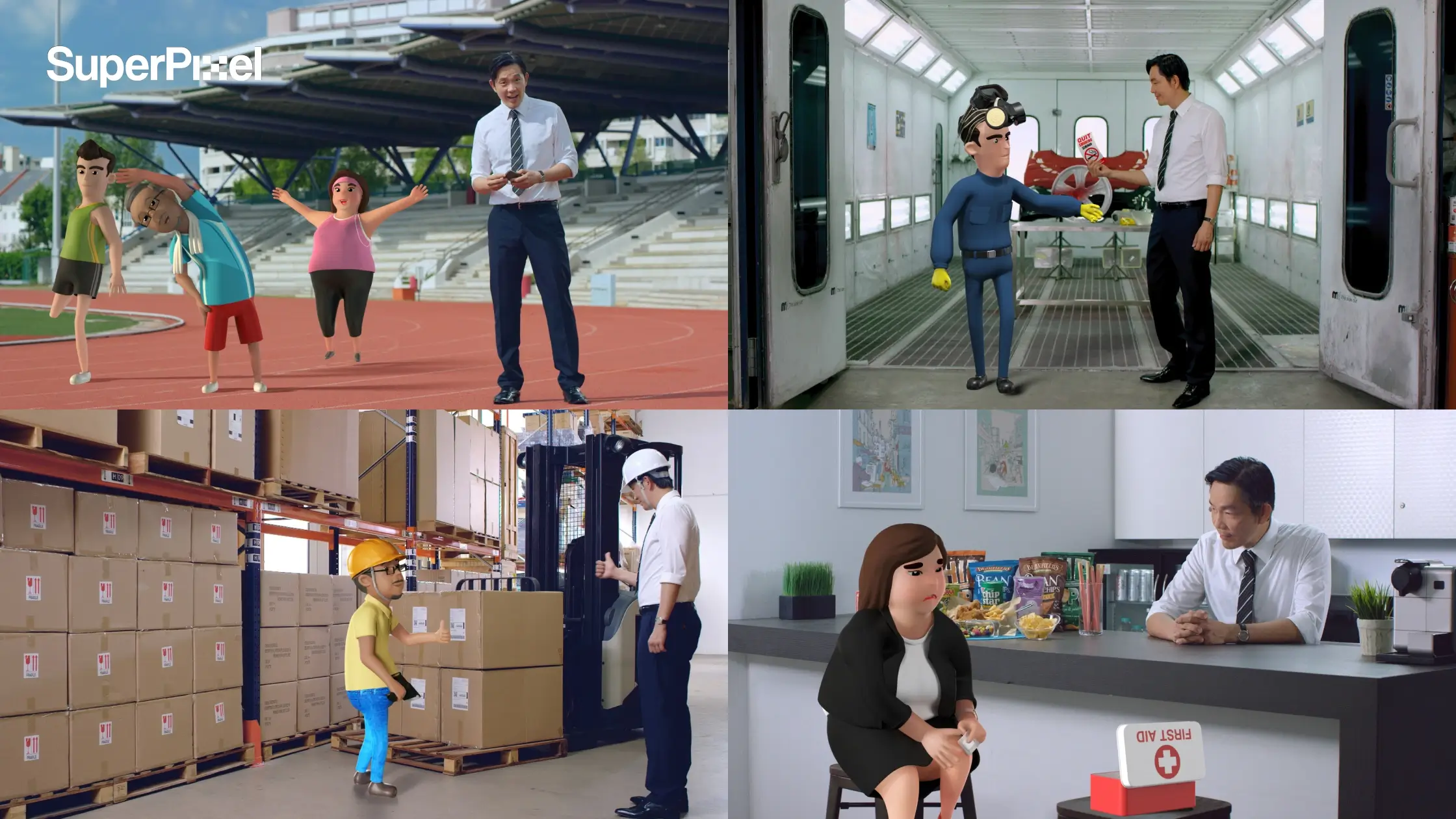
Key Takeaways
- Clarity Over Complexity: Animation simplifies high-risk scenarios that are dangerous or impossible to film.
- Language Independence: Visual storytelling bridges the gap for diverse, multilingual workforces.
- Consistency is King: Ensure every contractor and employee receives the exact same high-standard training.
- Cost-Effective Updates: Unlike live-action, animated assets are easily edited when safety regulations change.
- Compliance Ready: High-quality visuals help meet WSH and bizSAFE requirements by improving knowledge retention.
Why Animation Works for Safety Training Videos
Traditional video production has its limits. You can’t exactly set a real fire in your warehouse just to show an evacuation route, and filming near heavy machinery often introduces the very hazards you’re trying to prevent.
Animation removes these barriers. We turn your Risk Assessments (RA) into dynamic visual guides. Custom safety training videos are essential for explaining complex procedures that are difficult to capture on camera.
By using 2D or 3D characters, we can demonstrate “near-miss” incidents and “what-not-to-do” scenarios without ever putting a crew in harm’s way.
This is particularly vital in Singapore’s WSH (Workplace Safety and Health) ecosystem, where clear communication is a pillar of bizSAFE accreditation and incident reduction.
What We Produce: Safety Videos and Workplace Training Videos
We don’t just make “a video.” We build a training toolkit.
- Safety Induction & Onboarding: Standardize your site rules for every new arrival.
- PPE & Hazard Awareness: Clear visuals on why that harness or respirator matters.
- LOTO (Lockout-Tagout): Step-by-step 3D breakdowns of machine guarding.
- Fire Safety & ERP: Visualizing RACE (Rescue, Alarm, Confine, Extinguish) and evacuation flows.
- Incident Reenactments: Using 3D animation to reconstruct past accidents to prevent future ones.
Choose Your Style for an Animated Safety Training Video: 2D vs. 3D
Think about your favorite animated movie that did it use flat, stylish graphics or a fully immersive 3D world? Each style serves a specific purpose in training:
- 2D Motion Graphics: Best for policy explanations, reporting workflows, and “Do vs. Don’t” checklists. It’s clean, professional, and fast to produce.
- 3D Animation: Ideal for equipment operation, confined space simulations, and showing internal machine parts. If your team needs to understand “pinch points” inside a turbine, 3D is the way to go.
Types of Safety Animation Services
I think about this as a clear “menu” for decision-makers. You want a few categories that are easy to scan, then the details underneath for your team to validate.
1. What buyers want to cover
Users are seeking detailed descriptions of the types of safety animation services available, including specific topics covered such as PPE, fire safety, and industrial safety protocols.
2. Personalization and interactivity
By 2026, safety training animation services include AI-driven personalization for content customization based on learner’s role and experience. Interactive assessments, such as quizzes and decision-based scenarios, reinforce safety actions during training.
3. Reusable and scalable training
Animations are reusable and scalable, eliminating recurring costs for live instructors and travel. Digital animations ensure consistent compliance training across multiple locations.
4. Multilingual and site specific onboarding
Multilingual animations can be updated with voiceovers or subtitles, aiding in overcoming language barriers. Standardized, site-specific onboarding videos are common applications of safety training animation services.
5. Emergency response and LMS tracking
Training can include emergency response simulations like fire drills and evacuations. Learning management system (LMS) compatibility is essential for tracking and reporting training progress.
Case Study: AIA Medishield Life Plan Explainer
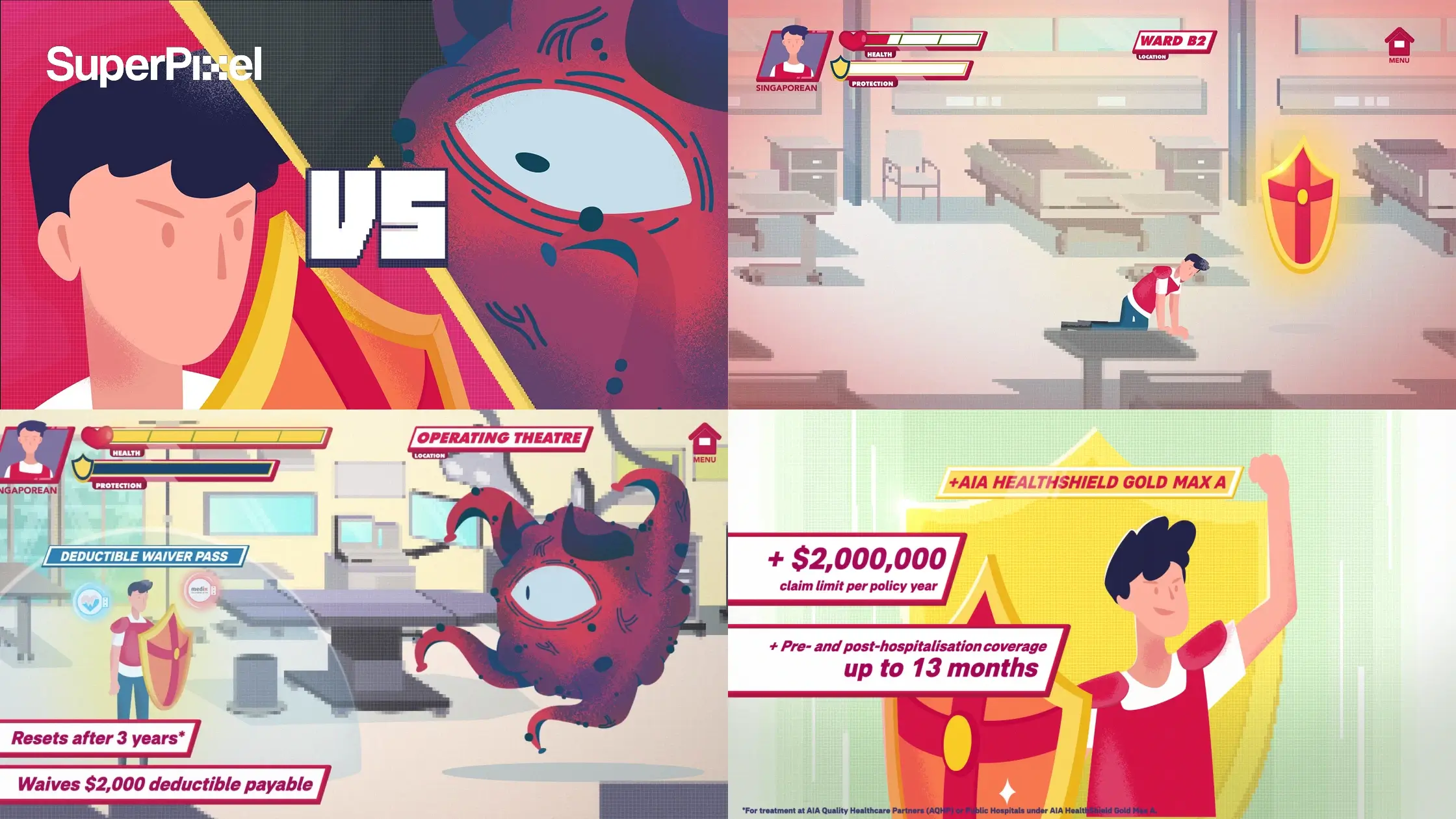
To explain complex insurance benefits, we crafted an 8-bit-inspired 2D animated explainer. This nostalgic, retro aesthetic turned “dry” information into something accessible.
The Result:
- Improved consumer understanding of complex insurance concepts.
- Made product benefits more accessible through engaging, simplified visuals.
Case Study: ST Engineering GRIT Software Launch Video
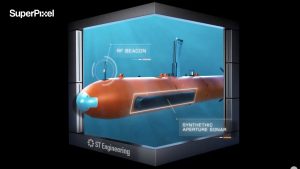
To introduce GRIT (Global Risk Impact Tracker) to ST Engineering employees, we produced a video that translates crisis-tech features into a clear, story-driven message.
Using fast, clean motion-led visuals, we showed how GRIT monitors global events in real time, down to street level then flags potentially impacted employees, projects, assets, and financial exposure across entities.
The narrative ends with a confident positioning: GRIT as a “sentinel” that helps teams respond faster and protect operations and reputation.
The Result:
- Made a complex internal tool easy to understand in under 45 seconds.
- Strengthened urgency and adoption by showing real-world impact and clear value.
- Delivered a 1920×1080 HD MP4 format ready for intranet, townhalls, and LMS use.
Improving Onboarding with Safety Animation
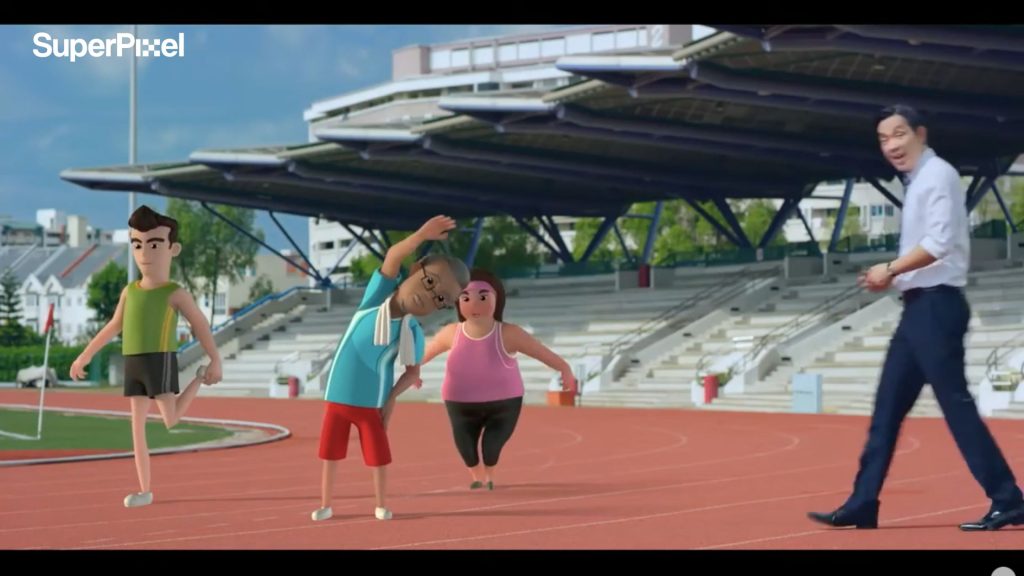
Onboarding is the first moment your safety culture becomes real. If the induction is unclear or easy to ignore, you’re not just losing attention, you’re creating inconsistency across teams and sites.
This is why safety animation keeps showing up as the format that helps companies train faster, align everyone on the same SOPs, and reduce avoidable mistakes.
1. More efficient and engaging onboarding
As a CEO, I see this as a signal that training buyers want more than a “nice video.” They want a system that makes onboarding repeatable. Animation standardises the message across every batch of hires, every shift, and every location without relying on who’s conducting the briefing that day.
2. Up to 80% higher knowledge retention
Retention is the KPI that matters. If people can’t recall the steps when they’re under pressure, the training didn’t do its job. Animation helps because it turns abstract instructions into concrete visuals that are easier to remember and repeat.
3. Accident reduction by as much as 50%
When I speak with operations teams, the root issue is often “people interpreted the SOP differently.” Animation reduces that ambiguity. It shows the correct sequence, the unsafe shortcuts, and the consequence chain in a way that’s harder to misunderstand.
4. Up to 30% faster onboarding
Speed matters when you’re scaling headcount, rotating contractors, or opening new sites. As a CEO, I think of this as time returned to the business. Standardised modules reduce repetitive briefing time and help new hires get productive without compromising safety basics.
5. Tailored to industry-specific hazards
Generic training usually fails because real risks differ by environment. A warehouse, a lab, and a construction site each have different hazard patterns. From a studio standpoint, tailoring is about reflecting the real spaces, equipment, and decisions your teams face daily.
6. Simplifies complex safety protocols
Engagement isn’t a “nice to have.” It’s the difference between someone following a procedure and someone guessing. As a leader, I’d rather invest in clarity upfront than pay for confusion later through rework, incidents, or downtime.
Production Process of Safety Animation Videos
When a decision-maker asks me “What does the production process look like?”, they’re usually trying to assess two things…
How predictable the workflow is (so it won’t stall internally), then the output will actually work in training environments (LMS, multilingual rollout, repeat viewing).
Here’s the process, using your exact points, with a CEO lens added around them.
Cost and ROI reality check
Animation production costs can range from $3,000 to $10,000+ per minute, but the long-term ROI comes from reduced insurance claims and training time.
The price only makes sense when the deliverables are built for reuse: modular cuts, clean versioning, and formats that don’t break when you update SOPs.
1) Requirement gathering and analysis
The production process of safety animations begins with requirement gathering and analysis to understand client needs and objectives. This is where we lock what “done” means: audience (new hires vs contractors vs supervisors), site specificity, languages, and what “must not be misinterpreted” on the floor.
2) Scriptwriting (the training logic)
Scripting involves crafting a detailed script that incorporates key safety themes and real-world scenarios.
I treat scripting as risk control in text form. If the script is vague, the animation becomes expensive confusion. If the script is precise, every department reviews faster.
3) Storyboarding (make it reviewable)
Storyboarding is developed to visualize each scene and includes technical notes on camera angles and lighting.
4) Production build (2D/3D assets and movement)
The use of advanced graphics, 2D and 3D modeling, and animation software is crucial in creating visually engaging safety videos. 3D character, prop, and vehicle development is based on high-quality photographic references to create realistic models.
Rigging is essential for animating models effectively, allowing for realistic and flexible movement in complex safety scenarios. The animation process uses advanced techniques to bring characters and scenes to life, ensuring smooth and realistic movements.
Scene lighting is set up to enhance the mood and highlight key safety elements in the animation. In this phase is where accuracy matters most: the wrong hand placement on a machine, a misleading distance to a hazard, or unclear PPE usage can undermine the whole training goal.
5) Post production, QA, and delivery
Editing involves assembling the rendered scenes and adding sound effects and voice overs to ensure clear delivery of safety messages.
The final output is delivered in required formats for distribution after thorough quality checks.
Who provides safety training animation services in Singapore?
If you’re building a shortlist, these are some names that come up under safety training animation services and safety video production in Singapore.
1. SuperPixel
SuperPixel is an animation studio based in Singapore and Jakarta that provides safety training animation services, including 2D, 3D, and explainer-style training content for workplace onboarding and compliance.
2. Village Talkies
Village Talkies is a safety video production company that specializes in creating engaging and informative content for various industries in Singapore.
3. VT Visuals & Animations
VT Visuals & Animations focuses on safety video production and positions itself as the best safety video maker in Singapore.
4. Brand Animators
Brand Animators is a safety video production company that has established itself as a trusted partner for businesses in Singapore.
5. Graphiss Media
Graphiss Media is a safety video production company in Singapore that has been creating a wide range of video types, including safety training videos.
6. Arkchetype Productions
Arkchetype Productions specializes in safety video creation in Singapore, producing high-quality videos that cater to the specific needs of their clients.
7. MotionSauce
MotionSauce is a safety video making company in Singapore that has been catering to the growing demand for high-quality safety videos in various industries.
8. Big 3 Media
Big 3 Media is a trusted name when it comes to creating engaging and informative video content in Singapore.
9. Blackbird Production
Blackbird Production is a safety video maker in Singapore that specializes in creating high-quality video content for various industries.
10. Always Wonder Video Agency
Always Wonder Video Agency has established itself as the best safety video making company in Singapore.
11. Vivid Snaps Video Production
Vivid Snaps Video Production is a safety video production house in Singapore that has been providing exceptional services to its clients.
12. Wire Consultancy
Wire Consultancy specializes in creating dynamic and informative animated videos that effectively convey complex safety concepts.
13. EFFE Animation
EFFE Animation addresses the multi-lingual need to gather emotional responses from audiences across nations through safety animations.
14. Chasing Illusions Studio
Chasing Illusions Studio specializes in creating customized, OSHA-compliant 3D safety animation videos that make safety training engaging and effective.
Frequently Asked Questions About Safety Training Videos
What inputs do you need to start?
We usually need your latest SOPs, Risk Assessment documents, and photos of your specific site or equipment to ensure the animation is accurate.
Should we use 2D or 3D?
2D is great for general procedures and “explainer” styles. 3D is better if you need to show spatial awareness, complex machinery, or realistic site simulations.
Can you produce multilingual versions?
Yes. We frequently provide voiceover and subtitle packs in various languages to cater to diverse workforces.
Do you align with Singapore workplace safety context?
Absolutely. We design content to support WSH training frameworks and help companies work toward bizSAFE levels by improving their training infrastructure.
Can you cover fire evacuation?
Yes, we can animate your specific Fire Emergency Plan (ERP), showing exact exit routes and assembly points unique to your building.