What makes a virtual space feel real? Why do some digital worlds feel empty, while others feel like you could almost reach out and touch them?
The difference is animation. And more specifically, high-quality metaverse animation services built by skilled animators who understand how art and technology work together.
This article explores how professional animation transforms static environments into living, breathing digital experiences that captivate your audience and drive business outcomes.
Key takeaways
- Animation transforms static 3D-modeled environments into dynamic, interactive experiences in the metaverse.
- High quality animations directly impact user engagement, retention, and brand perception.
- Real-time rendering, 3D interactivity, and AI-assisted workflows are emphasized in animation services for the metaverse in 2026.
- Custom avatars, interactive storytelling, and immersive advertising are powerful tools for brands in virtual platforms.
- Choosing the right provider requires technical expertise, industry experience, and strong pre-production planning.
Virtual world and virtual environments
A virtual world without movement feels like a museum after hours. Beautiful, yes. Alive? Not quite.
3D animation serves as the visual backbone of the metaverse, creating characters, objects, and environments that feel convincing. And in this space, animation plays a pivotal role in shaping how users perceive and interact with digital environments.
What makes a space feel alive beyond traditional animation
Traditional animation is linear. It’s designed for passive viewing to think films or commercials.
Animation transforms static 3D-modeled environments into dynamic, interactive experiences in the metaverse.
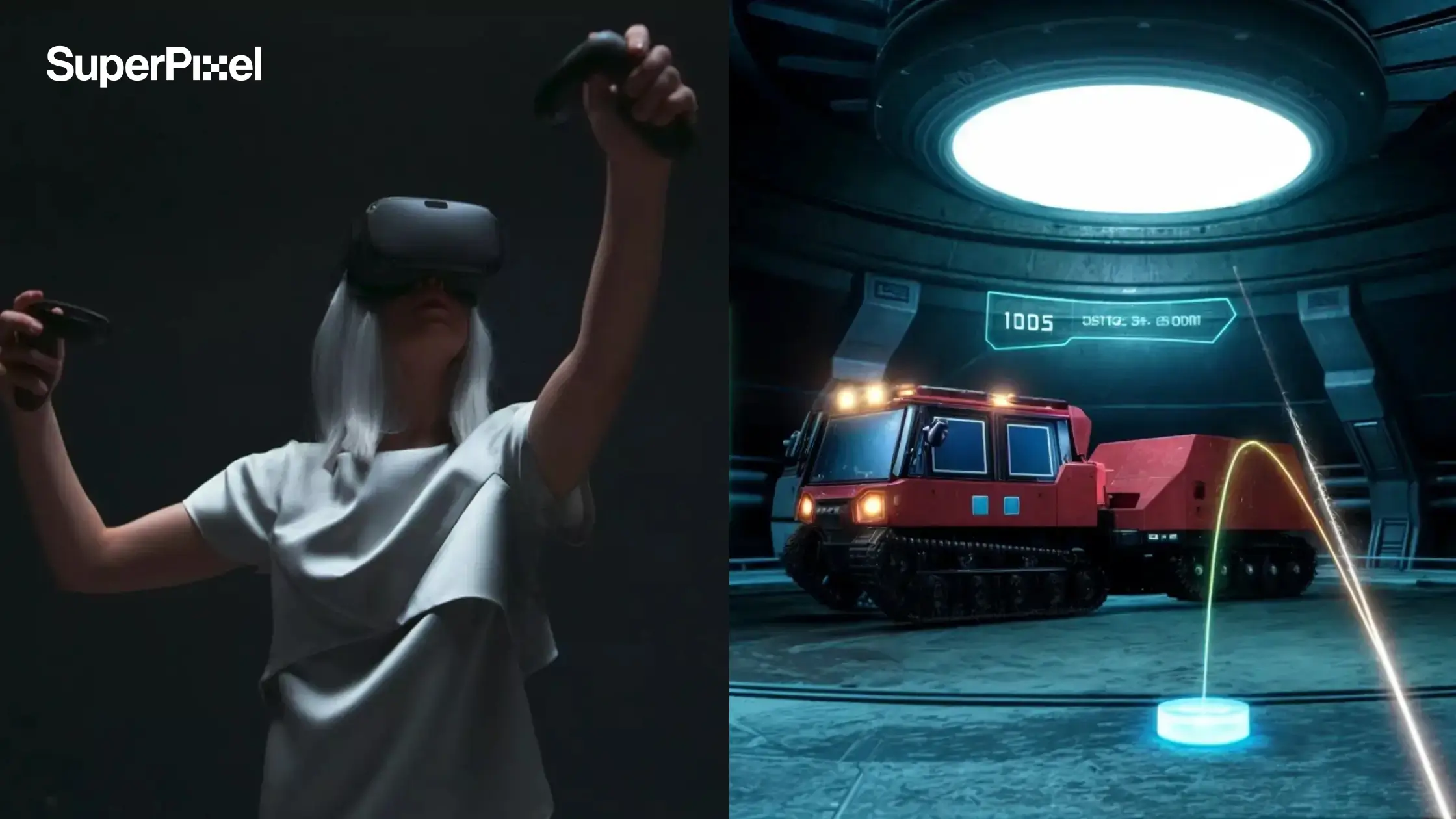
Modern metaverse animation relies on game engines like Unity and Unreal Engine for real-time rendering and physics.
Real-time interactivity in metaverse animation must adapt to user input, facilitated by engines like Unity and Unreal Engine.
This means:
- Characters respond instantly.
- Objects react to user input.
- Environments shift dynamically.
Real-time rendering techniques are essential for maintaining performance in interactive environments, balancing visual quality with computational efficiency.
At SuperPixel, we’ve seen firsthand how realistic visuals and subtle motion design elevate a metaverse project from “interesting” to game changer.
User engagement quality and why motion matters
Here’s the big deal: animation quality significantly impacts user engagement; poor animations can lead to users disengaging from the experience.
Good animation quality is crucial for maintaining user engagement; if characters move awkwardly or responses lag, users may disengage.
Metaverse Animation Services enhance user engagement by creating immersive experiences that allow users to interact with animated elements in real time. Animated elements in the metaverse help define how users move, express emotion, and connect within virtual ecosystems.
Facial expressions. Body language. Micro-movements. These details matter.
Motion capture technology is used to record real human movements and translate them into digital character animations. AI-driven animations allow characters to respond naturally to user interactions, enhancing the immersive experience in the metaverse.
The immersive nature of metaverse animations can lead to longer user engagement times compared to traditional media.
Social interaction and events that feel memorable
Metaverse animation services facilitate social and virtual events by incorporating animated elements that enhance interaction and create memorable moments.
Cloud computing enables multiple users to share the same virtual world simultaneously, which is crucial for the metaverse experience.
Metaverse animation services can create environments that encourage social interaction, enhancing the overall user experience.
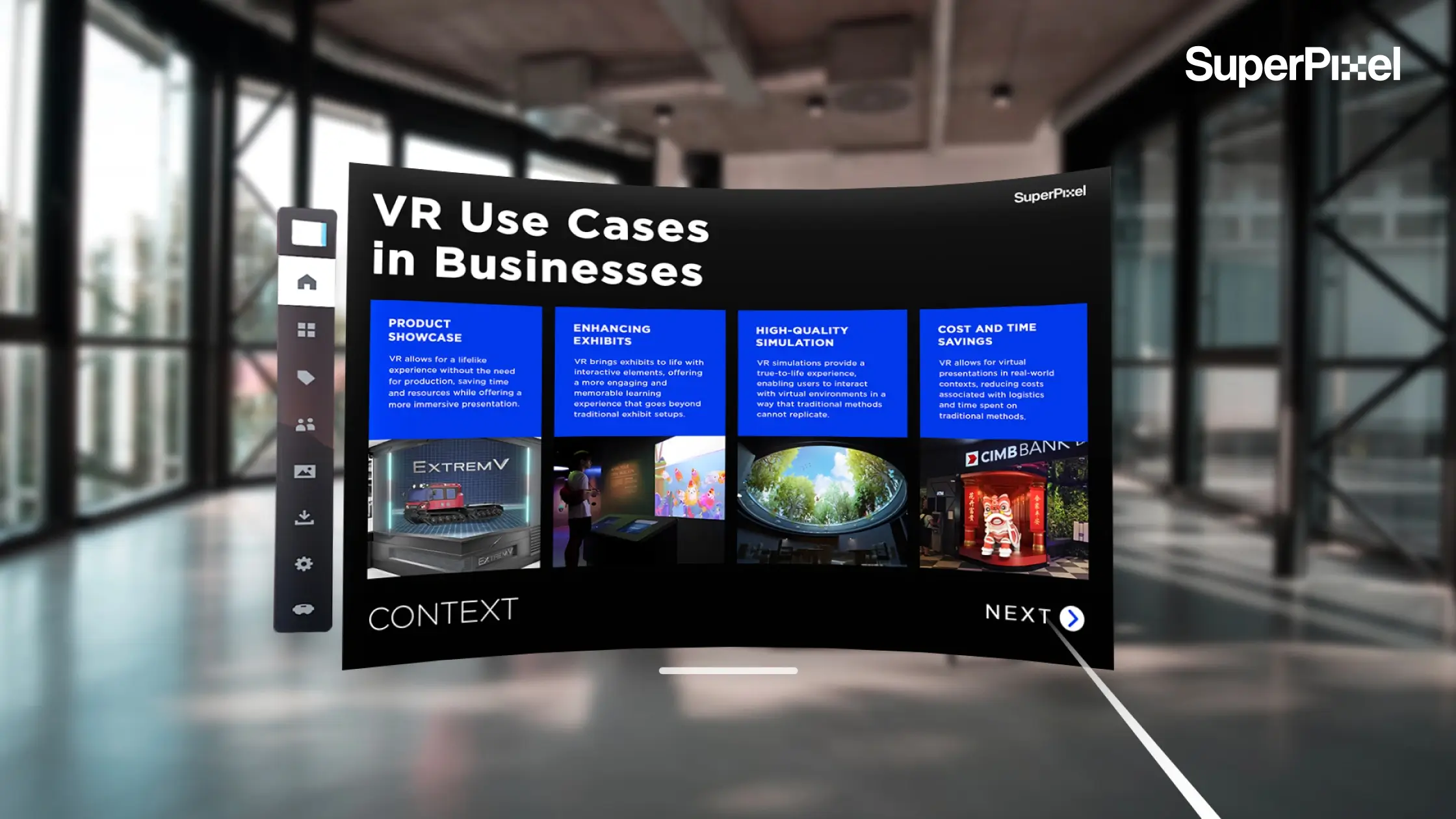
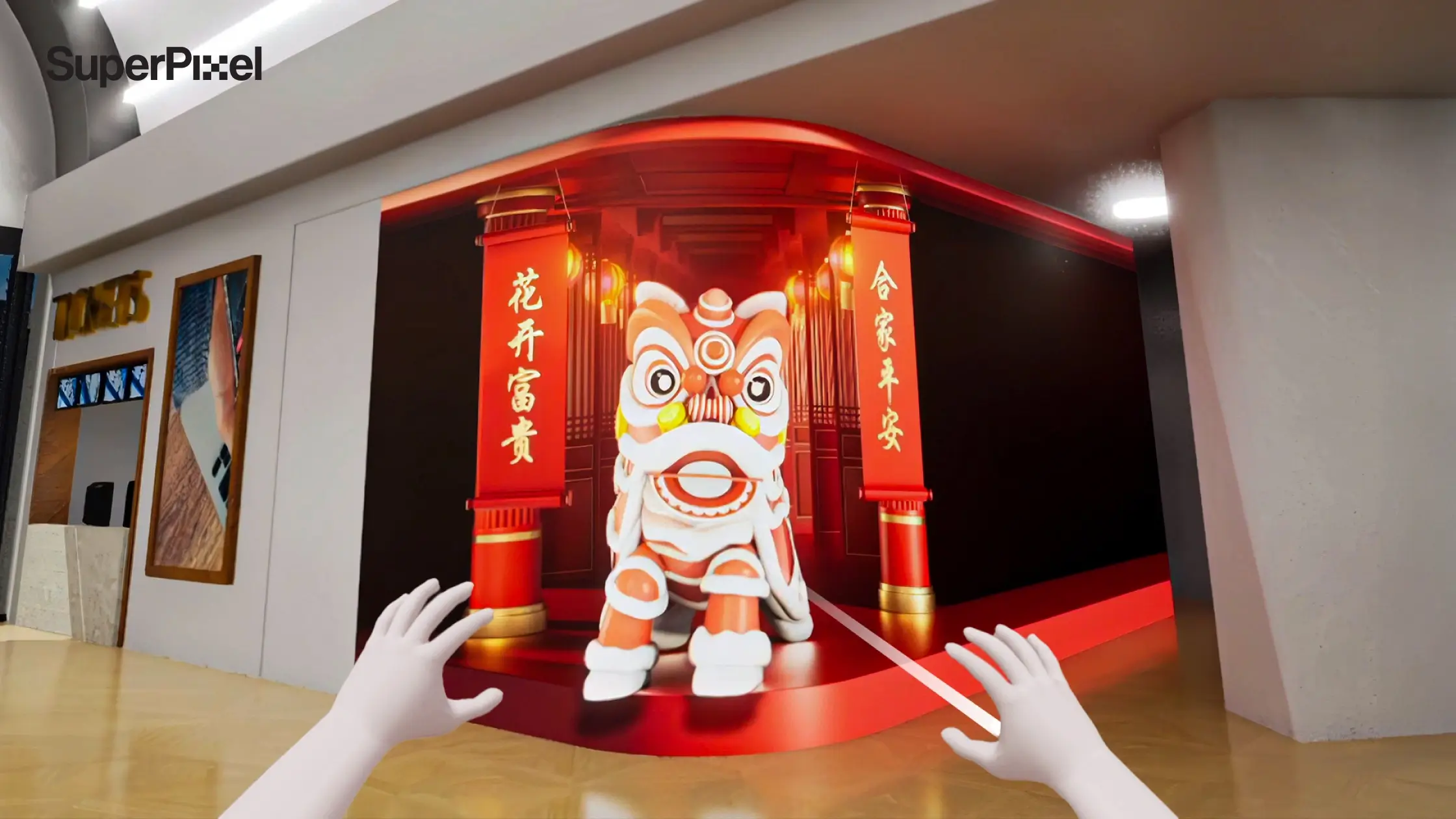
Take projection-based experiences like Prudential’s 2023 Star Club Gala Projection Mapping. Translating that type of spectacle into a virtual world requires advanced 3d animation, synchronized visual effects, and responsive characters.
Metaverse animation services extend beyond entertainment, being used in marketing, education, and social interactions.
And yes, you can still let users play games, attend launches, or host conferences but now with more control, personalization, and scale.
Creating animations for brands in virtual platforms
If you’re a decision maker, here’s the question: how does this translate to ROI?
Metaverse animation services are changing how audiences enjoy digital content through immersive 3D worlds and interactive characters.
immersive storytelling and interactive narratives
Metaverse animations allow brands to create narrative experiences that customers can explore and interact with.
Interactive storytelling in the metaverse keeps users engaged by allowing them to influence the narrative through their actions.
Think about the Singapore City Gallery Interactive Experience. Imagine translating that type of spatial storytelling into a persistent virtual platform where your target audience can interact with animated characters, explore digital assets, and experience immersive storytelling firsthand.
Custom animations tailored to brand identities can significantly increase user engagement by creating memorable experiences.
Animated content in virtual environments becomes part of your brand’s future-facing strategy.
Immersive advertising people choose to join
Metaverse animation services enable immersive advertising campaigns that create experiences users want to join rather than interrupting them.
Instead of pushing a video ad, you create a virtual experience. Users walk through it. Interact. Explore.
That’s a game changer.
Virtual commerce and product visualisation
Animation enables virtual commerce through high-quality 3D assets for virtual showrooms and digital fashion shows.
Virtual product visualisation through metaverse animation services allows customers to experience products from multiple angles in virtual showrooms.
From healthcare simulations to entertainment launches, animation services enable high-fidelity simulations in sectors like healthcare and education.
In education, metaverse animation services are being used to create engaging training simulations and virtual learning environments.
3d animation pipeline for metaverse work
Behind every visually stunning metaverse experience is a serious production workflow.
At SuperPixel, we handle projects with a clear pipeline: concept, development, asset creation, animation, integration, and optimization.
Tools and software Maya Blender and more
Autodesk Maya is the professional industry standard for high-end 3D character animation, rigging, and modeling.
Blender is a free, open-source 3D modeling and animation suite popular among independent creators and professionals.
AI is being integrated into tools like Maya and Blender for tasks such as automated keyframing and texture generation.
Technical expertise in 3D modeling, rigging, and real-time engines like Unity or Unreal Engine is non-negotiable for any metaverse animation project.
Unreal Engine Unity and real time rendering
Unreal Engine 5 is a premier real-time game engine used to build high-fidelity, interactive 3D environments and avatars.
Unity is a leading, user-friendly game engine heavily used for creating 3D environments, VR/AR experiences, and interactive elements.
Modern metaverse animation relies on game engines like Unity and Unreal Engine for real-time rendering and physics.
Real-time rendering, 3D interactivity, and AI-assisted workflows are emphasized in animation services for the metaverse in 2026.
Motion capture photogrammetry and realistic character animations
Motion capture technology is used to record real human movements and translate them into digital character animations.
DeepMotion uses AI to perform real-time 3D motion capture, transforming 2D video into 3D character animations.
Procedural and AI-driven animation automates repetitive movements, improving dynamics in virtual settings.
Procedural animation systems use algorithmic rules to create content automatically, allowing for endless variations in movements and environments.
Creating immersive 3D landscapes often utilizes photogrammetry to create digital twins of real-world locations.
Realistic character animations and amazing animations come from combining motion capture, skilled animators, and advanced software.
Artificial intelligence and procedural animation in 2026
AI isn’t replacing artists. It’s amplifying them.
AI assisted workflows in Maya Blender and post
Runway ML is a tool for AI-assisted motion design, video generation, and post-processing.
Tripo AI is noted for generating high-fidelity 3D models and animations from text or images.
Krikey AI generates 3D avatars and animations from text or video inputs.
These tools reduce production time and allow artists to focus on creative ideas.
Procedural systems and responsive characters
AI-driven animations allow characters to respond naturally to user interactions, enhancing the immersive experience in the metaverse.
Procedural and AI-driven animation automates repetitive movements, improving dynamics in virtual settings.
This creates virtual environments that feel organic, reactive, and alive.
Avatars systems Ready Player Me Mixamo and more
Ready Player Me is a specialized platform for creating cross-app 3D avatars usable across various metaverse games and apps.
Mixamo, by Adobe, automates the rigging and animating of 3D character models.
Metaverse animation services allow for the creation of custom avatars that reflect users’ identities, enhancing emotional connections.
Avatars aren’t just characters. They’re digital identity.
Digital ownership intellectual property and nft collection
Digital ownership adds another layer of value.
Non-fungible tokens (NFTs) are a new virtual asset that has contributed to the growth of the metaverse. NFTs represent digital items, such as images or videos, and their ownership is recorded on the blockchain.
NFT animation services create unique digital assets that can be owned and traded, providing a new economy for artists.
How NFTs connect to animated content and blockchain technology
The integration of NFTs in animation allows for enhanced brand experiences and user engagement.
3D NFT animation services transform ideas into collectible experiences that align with brand identity.
Blockchain verification protects animated assets from unauthorized copying and proves authenticity.
Smart contracts royalties and verification
Smart contracts in NFTs enable automatic royalty payments to original animators whenever NFTs are sold.
NFT projects allow creators to build a dedicated following and benefit from the secondary NFT market.
Value perception and quality standards
The quality of animation in NFTs is crucial for creating perceived value and emotional connections with audiences.
Animation quality directly impacts user experience in the metaverse, making it essential to choose a provider that prioritizes high-quality animation.
Choosing professional animation services
Choosing the right metaverse animation service provider requires a clear understanding of your project requirements.
Defining project requirements and key elements
Identify:
- Target audience
- Key features
- Required digital assets
- Platform requirements
- Desired user interaction level
Good pre-production planning can significantly reduce costs and technical issues in metaverse animation projects.
How to research animation studios and portfolios
Researching potential providers by checking online portfolios and reviews is essential for making an informed decision.
Reviewing portfolios and previous work of animation studios can provide insights into their capabilities and the quality of their animations.
Industry experience is beneficial when selecting a metaverse animation service provider, as it indicates familiarity with the unique challenges of virtual content creation.
Softtik provides comprehensive metaverse 3D animation services, including rigging, modeling, and VR space design.
At SuperPixel, our expert team blends creative direction with technical skills to deliver high quality animations for ambitious brands.
Budget quotes flexibility and pre production planning
Budget considerations are crucial when selecting a metaverse animation service provider, and obtaining detailed quotes from multiple providers can help in comparing pricing.
Flexibility in service offerings is important when choosing a metaverse animation service provider, as each project has unique needs.
Shortlist decision checklist
Creating a shortlist of potential providers after thorough research allows for a more focused comparison of quotes and services.
Here’s a simple checklist:
- Do they demonstrate strong art and technical capability?
- Are they fluent in real time rendering workflows?
- Do they understand blockchain technology and intellectual property concerns?
- Can they handle complex metaverse work across virtual and augmented reality platforms?
- Do they align with your brand’s long-term digital vision?
The metaverse is expected to change how animated content is consumed, moving towards more interactive and immersive experiences.
Animation industry key features big deal
Metaverse animation services are a big deal right now, and I get why. In the animation industry, we’re watching brands move from “nice visuals” to experiences people can actually walk into and interact with.
The key features aren’t just realistic character animations or interactive environments (though those matter a lot).
It’s the whole feeling of presence, how avatars move, how spaces react, how storytelling unfolds, and yes, how things like NFT collections and immersive advertising can fit in without feeling forced.
If you’re planning your next metaverse project, send SuperPixel a short brief. We’ll help you map the right format, the right workflow, and build a virtual space that genuinely feels alive.